 All Dry Services of Chicagoland

 60 Min Response Time
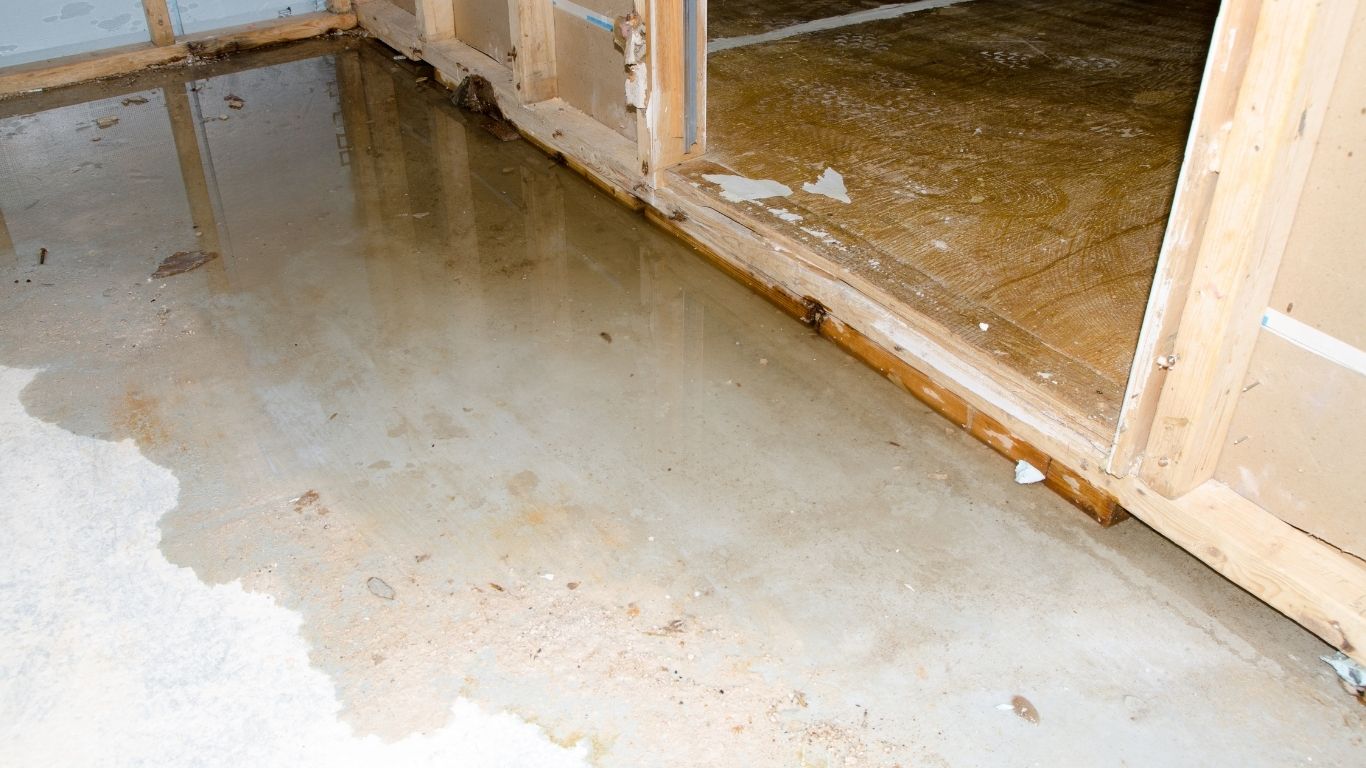
Safeguarding Home Foundations with Flood Damage Restoration in Lombard, IL
Heavy rain can turn a calm afternoon into a stressful scramble. Water may collect near your foundation. It can leak into the basement or run across the floor before you even get a chance to react. Many people focus on ruined items. Still, water can also affect parts of the house you do not see right away. Flood damage restoration services in Lombard, IL remove the water and dry out the affected materials. They also help cut down the chance of ongoing issues.
At All Dry Services in South Suburban Chicago, we know flooding can panic homeowners fast. We understand the stress it causes. Most people ask what to do first. Time is a big factor. If you can remove water and handle wet materials early, you may reduce damage to more rooms.
How Floodwater Can Affect Your Home’s Foundation
Your foundation holds up the rest of the house, so you want to stop water from pooling near it. After a strong storm, the ground around your place can soak up a lot of water. That water may then press against the foundation walls and seep in. If the foundation has hairline cracks or other weak spots, moisture can get through.
Floodwater can enter in many ways. It might come in around basement windows. It can seep through wall seams. Furthermore, it can also enter through floor cracks or other gaps. When dampness keeps coming back, it can wear down nearby materials over time.
A crack in a foundation does not always point to a major structural issue. Tiny cracks can have different causes. Still, if water keeps returning, it is worth taking a closer look. If you notice water again and again in the same spot after storms, it is probably not just a simple wipe-up job.
Why Lombard Homes Can Face Flooding Risks
Lombard homeowners deal with changing weather year-round. Heavy spring and summer storms can drop large amounts of rain in a short time. When the ground becomes saturated, water has fewer places to go.
Your home’s drainage system plays an important role here. Clogged gutters, short downspouts, and poor grading can push water toward the foundation. Drainage issues can do the same.
Older homes can face more challenges. Aging plumbing, drainage systems, and foundation materials may need more attention over time. A home doesn’t have to sit near a river or low-lying area to experience basement water problems.
Signs Floodwater May Have Affected Your Foundation
Some water damage signs stand out right away. Others take a little more detective work. After a flood, keep an eye out for:
-
New cracks or changes in existing foundation cracks
-
Damp or discolored basement walls
-
White, chalky residue called efflorescence
-
Musty odors or unusually high humidity
-
Water pooling near foundation walls
-
Repeated seepage after heavy rain
These signs do not always point to serious foundation failure. Still, it usually means water is getting in, and you should have it checked. If you are not sure what you’re seeing, bring in an expert. They can tell you if you need repairs, drainage changes, or a foundation specialist.
Why Fast Flood Damage Restoration Matters
Water doesn’t stop causing damage once the rain stops. Standing water can soak into flooring, drywall, insulation, and other materials. Moisture can also hide beneath flooring or inside walls, where you may not notice it right away.
The longer those materials stay wet, the higher the chance of new problems. Mold can grow in damp conditions, while wood and other materials may swell or deteriorate.
Flood damage restoration in Lombard, IL, should do more than remove visible water. A proper restoration process also addresses moisture that remains behind.
What Happens During Flood Damage Restoration in Lombard, IL
Inspection and Damage Assessment
The process starts with an inspection. Restoration pros check the water-damaged areas. They find out how far the moisture has spread.
A moisture meter or a thermal camera can spot dampness you may miss by just looking. This matters more than people think. Even if a basement slab seems dry at the surface, moisture can still stay under it. It can also show up in nearby walls and in the floor.
Water Extraction
Once the team understands the situation, they can begin removing standing water. Professional pumps and vacuums can handle much more water than household equipment.
Quick extraction cuts down the time your floors, walls, and other materials stay wet.
Drying and Dehumidification
Taking out standing water does not guarantee the spot is truly dry. Many materials keep moisture trapped even after the surface looks dry.
Air movers increase airflow, while dehumidifiers pull moisture from the air. Professionals can check moisture levels as they work. This helps ensure that the affected areas dry properly.
Cleaning and Sanitizing
Floodwater can pick up dirt and other contaminants based on where it comes from. After a flood, you should clean up the damaged areas. Then sanitize the surfaces. This can make the space safer. It may also help reduce bad smells.
The right cleaning process depends on the water type and the materials affected.
Repairs and Restoration
Some materials can recover after drying. Others might need repairs or replacement. Damaged drywall, flooring, insulation, and other materials can require additional work.
If an inspection finds a big foundation problem, a qualified expert should take over. They will manage that part of the project. Restoration pros fix water damage. They also tell homeowners when to call another expert.
How Drainage and Sump Pumps Help Protect Foundations
The best way to protect your foundation from water is to keep it away in the first place. Your home’s exterior drainage system provides the first line of defense.
Keep your gutters clear. Make sure downspouts direct water several feet away from the foundation. The soil near your home should help water flow away. It shouldn’t pool against the foundation walls.
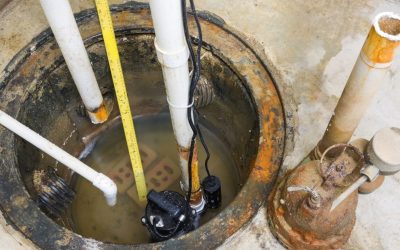
A sump pump adds extra safety, especially for homes with basements. Check it often, and make sure nothing blocks the discharge pipe. If storms knock out the power, a battery backup can keep it running.
These steps won’t stop all floods, but they can reduce the water that reaches at-risk areas.
What Homeowners Can Do After a Flood
Your safety should come first after any flooding event. Avoid areas with standing water. It may reach electrical outlets, appliances, or wiring.
If conditions remain safe, you can take a few practical steps:
-
Stop the water source if you can do so safely
-
Move valuable belongings away from affected areas
-
Avoid walking through contaminated water
-
Take photos of visible damage for your records
-
Contact the appropriate professionals as soon as possible
Don’t assume a dry-looking floor means your home is fully dry. Hidden moisture can create problems later.
When to Call for Professional Flood Damage Restoration
Some water problems clearly call for professional help. Call a restoration team. Do this if you have standing water. Also, if moisture is everywhere or you have water on your walls and floors, contact them.
You should also consider professional help when:
-
Your basement repeatedly takes on water
-
You notice persistent musty odors
-
Water remains after the initial cleanup
-
You see visible mold
-
New cracks appear after flooding
-
You aren’t sure how far the moisture has spread
All Dry Services of South Suburban Chicago helps homeowners. They take care of water extraction. They also handle drying, cleanup, and restoration after water damage. We know these situations can feel overwhelming. So, we share our findings and highlight what needs attention.
Keep Floodwater From Becoming a Foundation Problem
Flooding can affect much more than the items sitting on your basement floor. Water can seep into building materials. This can cause moisture issues that persist even after the water is gone. Timely flood damage restoration in Lombard, IL is key to protecting your home.
Small details matter more than people think. Go ahead and clean the gutters. Check that the downspouts move water away from the house, not toward it. Look over the sump pump and see that it is working right. Keep an eye out for damp areas that seem to return. If water gets into your space, handle it before the signs become obvious and hard to ignore.
At All Dry Services of South Suburban Chicago, we know homeowners want easy answers. Water can leak into a home, and we’re here to help. When you act early, you may reduce the damage, keep your place safer, and help it feel normal again.
To stay connected with All Dry Services of South Suburban Chicago, follow us on Instagram and X.