 All Dry Services of Chicagoland

 60 Min Response Time
Fix Broken Sump Pumps Fast in Chicago
A sump pump usually stays out of sight and out of mind until it stops working. Then heavy Chicago rain can quickly turn your basement into a serious water problem. Broken sump pumps in Chicago can leave standing water around your basement, damage flooring and drywall, and create lingering moisture if you don’t address the issue quickly. Knowing the warning signs and acting early can help protect your home from a much bigger cleanup.
Why Sump Pumps Fail
Sump pumps don’t last forever. Over time, parts can wear out, especially with regular use. A pump that handles heavy rain year after year may eventually struggle to keep up.
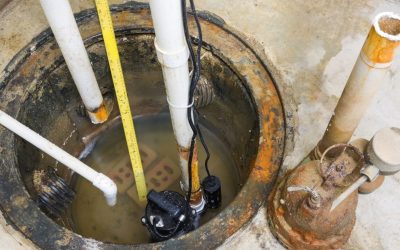
Power outages can also cause trouble during storms. If the pump loses power while rain continues to fall, water can quickly collect in the sump pit and basement. A clogged discharge line can create a similar problem by preventing water from moving away from your home.
Other common causes include a stuck float switch, worn components, an improperly sized pump, or debris inside the sump pit. Heavy rain can expose a weakness that wasn’t obvious during normal weather.
Signs Your Sump Pump Needs Attention
A sump pump usually shows warning signs before it totally fails. Noticing those signs can give you a chance to address the problem before the next major storm.
Watch for:
- Unusual grinding, rattling, or humming sounds
- A pump that runs constantly
- Frequent cycling when there’s little water entering the pit
- Weak water flow from the discharge line
- A pump that doesn’t turn on when the water level rises
- Water collecting around the sump pit
- Musty smells or increased basement humidity
Don’t ignore a pump that suddenly sounds different. A strange noise may seem minor today, but it could signal a component that needs attention.
What Happens When a Sump Pump Stops Working
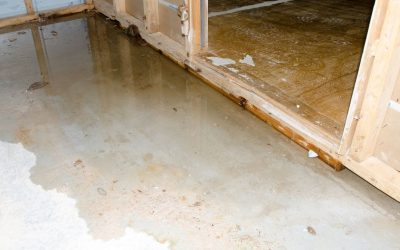
A failed sump pump can quickly become a water emergency, especially during a strong storm. Water that normally flows into the sump pit and gets pumped outside may instead rise into the basement.
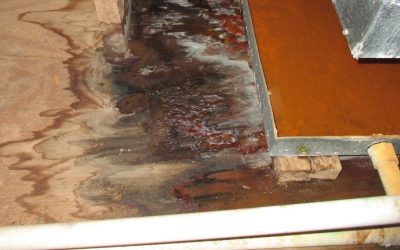
Once water reaches the floor, it can spread under furniture and soak into flooring. Drywall, insulation, stored belongings, and other materials can also absorb moisture.
The longer water sits, the more difficult the cleanup can become. Remaining moisture can also create conditions that support mold growth and unpleasant odors.
This explains why broken sump pumps in Chicago deserve prompt attention. The pump itself may represent only one part of the problem. A failure during a major storm can lead to much broader water damage.
What to Do When Your Sump Pump Fails
Your safety comes first when a sump pump stops working. Don’t walk through standing water if electrical equipment or outlets may have contact with the water.
If the area remains safe, you can check whether the pump has power and whether the discharge line appears blocked. However, don’t take apart electrical components or enter unsafe areas to troubleshoot the system.
If water continues rising, move valuable belongings away from the affected area when you can do so safely. Contact the appropriate plumbing or sump pump professional for the equipment problem. If flooding has already occurred, a water damage restoration professional can address the moisture and affected materials.
How Professional Sump Pump Repair Helps
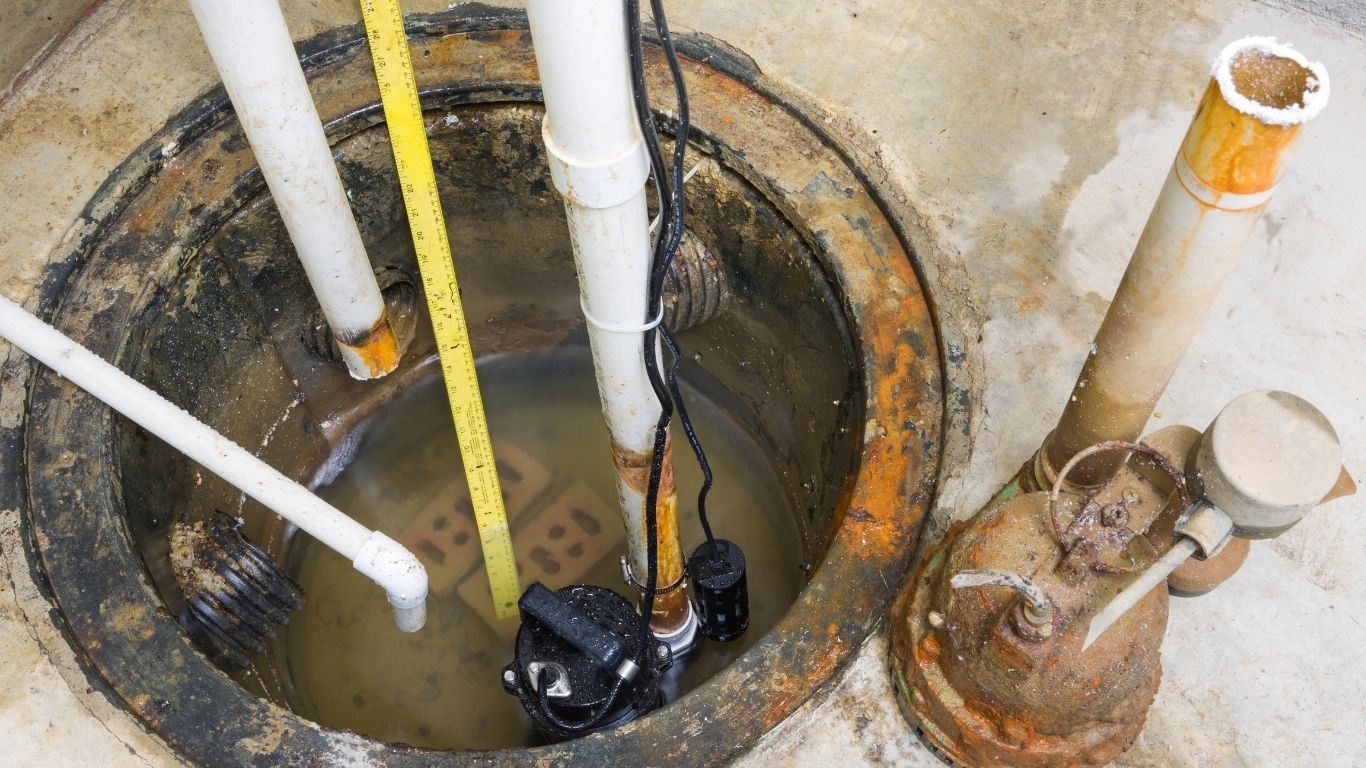
Professional service starts with finding out why the pump failed. A technician may inspect the pump, float switch, sump pit, discharge line, and other connected components.
The right solution depends on the problem. If a part is worn out, it might need fixing or a full swap. An older pump may make more sense to replace than repair. A professional can help determine the best option for the situation.
The important thing is to address the cause instead of simply getting the pump running for the moment. A temporary fix won’t help much if another component fails during the next storm.
All Dry Services of South Suburban Chicago can also help homeowners after water damage from a sump pump failure. Our focus stays on helping homeowners understand what happened and what needs attention next.
How to Protect Your Basement While Repairs Are Underway
If a failed pump has already allowed water into your basement, try to limit further exposure while waiting for professional help.
Move furniture, boxes, and other belongings away from wet areas if you can do so safely. Keep people and pets away from standing water, especially when electrical hazards may exist.
Once you control the water issue, the affected area may still need professional drying. Removing visible water doesn’t always remove moisture trapped inside flooring, walls, or other materials.
Preventing Future Sump Pump Problems
A little maintenance can help you spot trouble before your sump pump faces its next big test. Test the pump regularly by adding water to the pit and watching to see whether it starts and moves water through the discharge line.
Keep the sump pit free from debris and make sure the discharge line stays clear. Check that the line directs water away from the foundation instead of letting it flow back toward the home.
Also consider a backup plan. A battery backup pump or another reliable power source can provide extra protection during a storm-related outage.
| Sump Pump Warning Sign | What It May Indicate |
| Strange grinding or rattling | Worn or damaged components |
| Constant running | Float, pump, or drainage problem |
| Weak discharge | Blocked line or struggling pump |
| No response when water rises | Power, float, or pump failure |
| Frequent cycling | Sizing, float, or drainage issue |
Regular checks won’t prevent every failure, but they can help you catch problems before they become emergencies.
When Sump Pump Problems Become Water Damage
A sump pump issue becomes a larger restoration concern once water enters the living space and affects building materials. Standing water, soaked flooring, wet drywall, musty odors, and visible mold all deserve attention.
Professional water extraction can remove standing water quickly. Drying and dehumidification then help address moisture that remains in materials and the air.
At All Dry Services of South Suburban Chicago, we understand that a flooded basement can feel overwhelming. Our role is to help homeowners address water damage and restore the affected space to a safer, drier condition.
Why Fast Action Matters During Chicago Storms
Chicago weather can change quickly, and heavy rain can put extra pressure on a sump pump system. If your pump already shows signs of trouble, waiting for the next major storm isn’t a great time to discover that it can’t keep up.
Addressing warning signs early can help reduce the chance of basement flooding. If the pump does fail and water enters your home, quick extraction and drying can help limit secondary damage.
Broken sump pumps in Chicago don’t always lead to major flooding, but the risk increases when homeowners overlook warning signs or delay repairs.
Keep Your Basement Ready for the Next Storm
Your sump pump plays an important role in keeping unwanted water out of your basement. Regular testing, clear discharge lines, backup power, and timely repairs can all help reduce the risk of flooding.
When broken sump pumps in Chicago cause water damage, acting quickly can make the recovery process easier. A failed pump doesn’t have to turn into a major restoration project if you address the problem early and respond quickly when water enters the home.
All Dry Services of South Suburban Chicago is available to help homeowners navigate water damage when a sump pump failure leaves moisture behind. Getting the right help at the right time can protect your home and help you feel prepared for the next storm.
To stay current with us, follow our Instagram and X pages.