All Dry Services of the Valley of the Sun

 60 Min Response Time
Is a Roof Leak Causing Water Damage in Your Phoenix Home?
A roof leak can cause water damage in your Phoenix home if moisture gets past damaged roofing materials and reaches your attic, ceilings, walls, insulation, or flooring. Even a small leak can spread before you notice visible signs like stains, odors, or peeling paint.
In Phoenix, extreme heat, UV exposure, and monsoon storms can weaken roofs over time. If you notice signs of water damage after rain, quickly finding the source of the leak and drying affected areas can help prevent more expensive repairs.
Table of Contents:
- Quick Answer: What Should You Do First After a Roof Leak in Phoenix?
- Why Roof Leaks Cause Serious Water Damage in Phoenix Homes
- Signs a Roof Leak Has Already Caused Water Damage
- Roof Repair vs. Water Damage Repair: Who Should You Call?
- What Water Damage Restoration Looks Like After a Roof Leak?
- When Does Roof Leak Water Damage Need Professional Repair?
- What Not To Do After a Roof Leak?
- How To Reduce Roof Leak Water Damage During Phoenix Monsoon Season?
- FAQs
Quick Answer: What Should You Do First After a Roof Leak in Phoenix?
A roof leak can spread quickly, so your priority is to protect your home, limit water damage, and keep everyone safe.
- Stay off the roof: A wet or damaged roof can be unsafe to walk on. Avoid climbing up after a storm and let a professional inspect it.
- Contain the dripping water: Place a bucket or container under the leak to catch water and reduce damage inside your home.
- Move valuables away from the area: Relocate furniture, electronics, and personal items before they get soaked.
- Avoid wet electrical areas: Stay away from water near light fixtures, outlets, and ceiling fans. Shut off power to the area if it is safe to do so.
- Stop the water from spreading inside: Use towels, plastic sheeting, or a tarp to protect floors and keep moisture from reaching other areas.
Why Roof Leaks Cause Serious Water Damage in Phoenix Homes
Phoenix roofs deal with intense heat, strong sunlight, and sudden monsoon storms. Over time, these conditions can weaken roofing materials and create openings that allow water to enter your home.
A small roof problem can quickly turn into a bigger water damage issue when rain gets behind roofing materials, soaks insulation, and travels through ceilings and walls.
Monsoon Storms and Sudden Water Intrusion
Phoenix monsoon storms can bring heavy rain and strong winds in a short period of time. Wind-driven rain can force water under shingles, tiles, flashing, and other roof components that normally keep moisture out.
Common storm-related leak problems include:
- Loose or cracked roof tiles
- Damaged flashing around vents, chimneys, and roof edges
- Failed sealant around roof penetrations
- Exposed or damaged underlayment
The first storm after months of extreme heat often reveals roof issues that were already developing.
Tile, Flat, and Foam Roof Leak Risks
Phoenix homes commonly have tile, flat, and foam roofing systems, and each has its own weak points.
- Tile roofs: The tiles protect the roof surface, but the underlayment underneath provides the main water barrier. UV exposure and age can break down this layer, allowing leaks to develop even when tiles look intact.
- Flat roofs: Flat roofing systems rely on proper drainage. Clogged roof drains or scuppers can cause water to pool, putting pressure on seams and creating leak points.
- Foam roofs: Foam roofs can develop cracks due to constant heat-induced expansion and contraction. Small surface cracks can allow water to reach deeper layers of the roof system.
Regular inspections help catch these issues before they lead to interior damage.
Why the Ceiling Stain May Not Be Under the Roof Leak
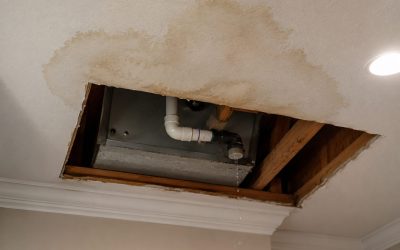
A common mistake homeowners make is assuming the leak is directly above the ceiling stain. Water often travels along roof decking, rafters, insulation, or framing before it appears inside your home.
For example, water may enter near a roof vent or damaged flashing but show up several feet away as a ceiling stain.
This is why finding the visible stain is only the first step. The real source of the leak needs to be located before repairs can begin.
Signs a Roof Leak Has Already Caused Water Damage
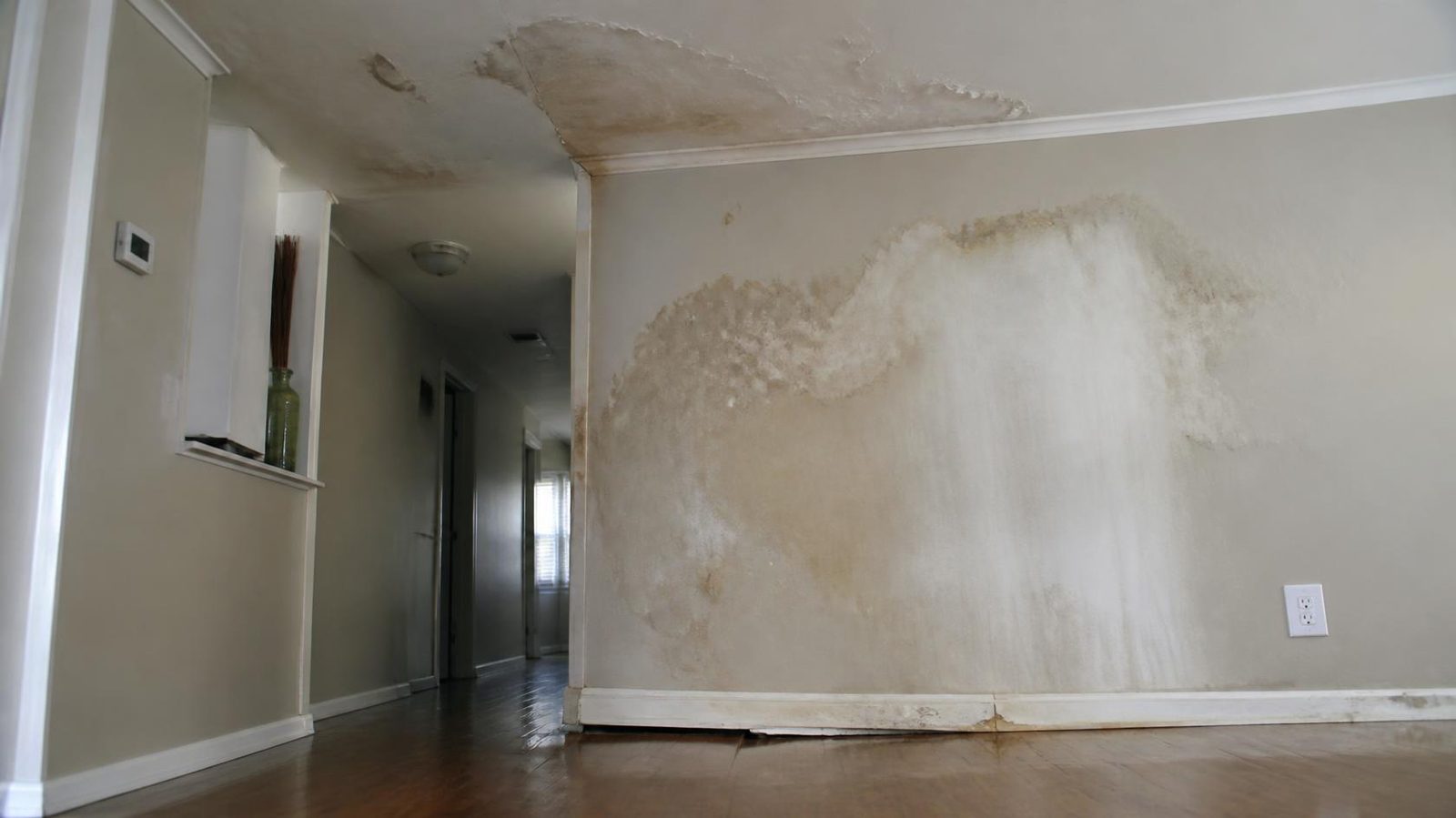
A roof leak does not always start with a visible drip. Many homeowners first notice damage inside the home through stains, odors, or changes to walls, ceilings, and flooring.
Watch for these warning signs after rain or a monsoon storm.
Ceiling Stains, Bubbling Paint, or Sagging Drywall
Brown or yellow stains on your ceiling are one of the most common signs of water intrusion.
You may also notice:
- Paint bubbling or peeling
- Cracks forming in drywall
- A soft or sagging ceiling area
These signs mean water has already moved past the roof and reached the interior of your home.
Wet Insulation or Damp Attic Areas
If water enters through the roof, it often collects in the attic before reaching your living space.
Check for:
- Damp insulation
- Wet wood framing
- Dark spots on the roof decking
- Moisture around vents or roof penetrations
Wet insulation can also reduce your home’s energy efficiency and create conditions for mold growth.
Water Running Down Interior Walls
Roof leaks can cause water to run down walls before the damage becomes obvious.
Look for:
- Water marks on walls
- Discoloration near baseboards or outlets
- Warped drywall
- Damp areas near ceilings and corners
The leak may be coming from a roof area above the wall, even if the damage appears lower.
Musty Smells After Rain
A musty odor after a storm is a warning sign that moisture is trapped somewhere inside your home.
The smell may come from:
- Wet insulation
- Damp drywall
- Hidden moisture behind walls
- Early mold growth
If the smell continues after the rain stops, the area should be inspected.
Soft Flooring or Baseboard Swelling
Water that reaches your floors can cause noticeable changes.
Common signs include:
- Soft or spongy flooring
- Swollen baseboards
- Warped wood flooring
- Buckling laminate or vinyl
These issues often mean water has traveled farther than the original leak location.

Roof Repair vs. Water Damage Repair: Who Should You Call?
A roofer and a water damage restoration company handle two different parts of a roof leak. A roofer fixes the source of the problem. They repair damaged tiles, flashing, underlayment, or other roof issues to stop more water from entering your home.
A water damage restoration company fixes what the leak damaged. That means drying the wet materials, confirming with meters that they are actually dry, then repairing or replacing whatever could not be saved.
Many roof leaks require both services. The roofer stops the leak, while the restoration team handles the water damage left behind. Handling both quickly is what keeps the bill down, and it helps to know what water damage restoration costs in Phoenix before you decide how to split the work.
What Water Damage Restoration Looks Like After a Roof Leak?
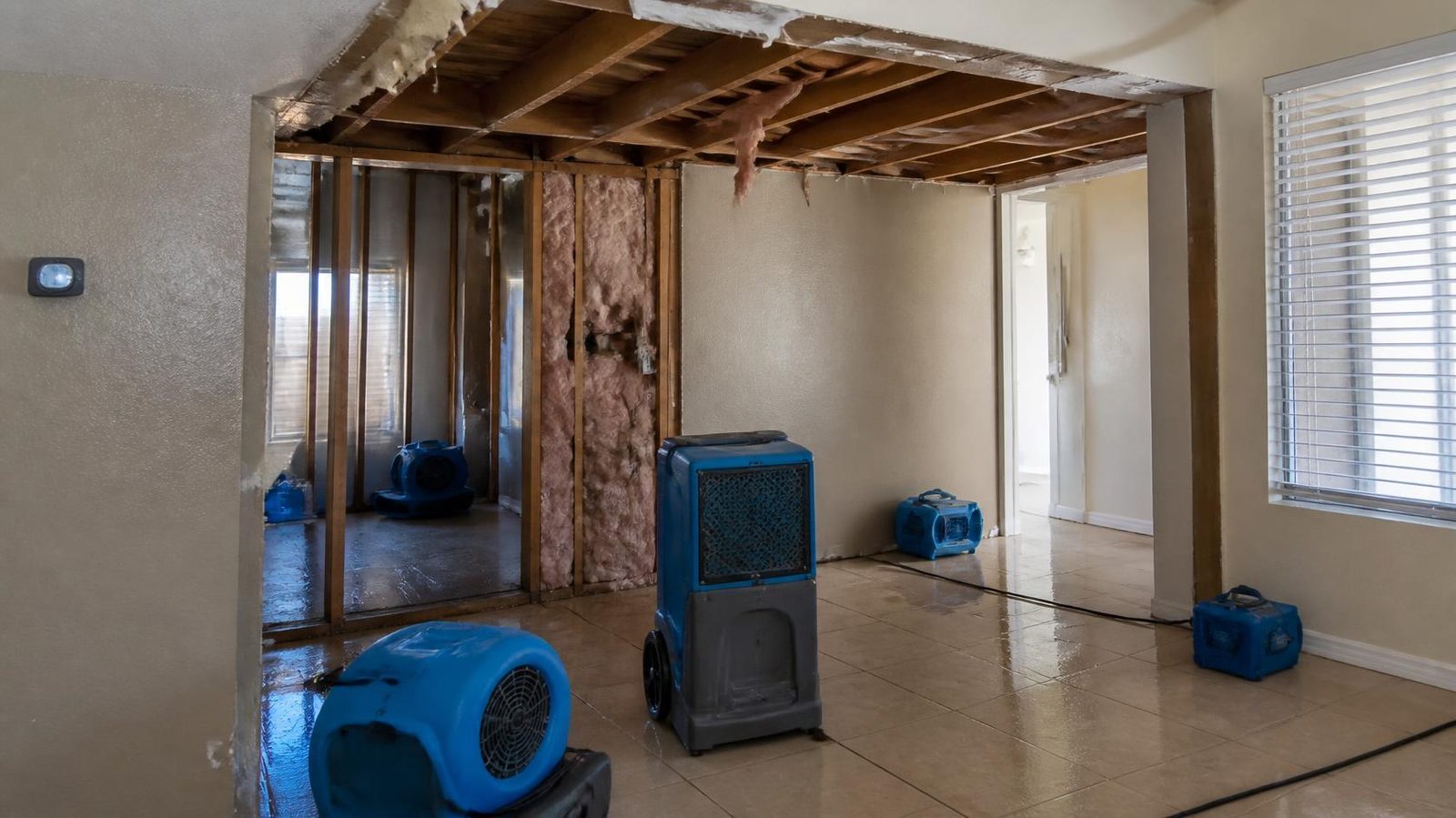
After a roof leak, the goal is to find hidden moisture, remove excess water, dry affected areas, and prevent further damage.
Moisture Inspection Behind Ceilings and Walls
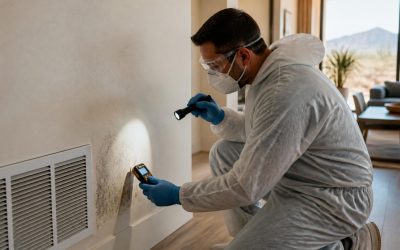
Restoration professionals use moisture detection tools to find water that may be hidden behind drywall, ceilings, insulation, and other materials.
- Moisture mapping and damage assessment: The team identifies how far the water has spread and determines which areas need drying or repairs.
- Water extraction if needed: If there is standing water or heavily soaked materials, extraction equipment is used to remove excess moisture.
Drying Wet Drywall, Insulation, and Framing
Air movers and dehumidifiers are used to dry affected areas. Materials that cannot be saved may need to be removed.
- Dehumidification and moisture control: Dehumidifiers reduce indoor humidity and help prevent trapped moisture from causing further damage.
- Final moisture checks: Moisture levels are rechecked to ensure the affected areas are fully dry before repairs are completed.
Preventing Mold After Roof Leak Water Damage
Mold can begin growing within 24 to 48 hours in wet areas, so quickly drying affected materials is one of the most important steps in the restoration process.
Any insulation, drywall, or framing that cannot be fully dried is removed rather than dried in place, which is what keeps a drying job from turning into mold remediation. Once the area is dry, an antimicrobial treatment may be applied to reduce the risk of future growth.

When Does Roof Leak Water Damage Need Professional Repair?
Not every roof issue requires emergency service, but water damage can worsen quickly if moisture is trapped inside your home. Call a professional if you notice any of these warning signs:
- Active dripping from the ceiling: Ongoing leaks mean water is still entering your home and may be damaging ceilings, walls, or insulation.
- Sagging or soft ceilings: A bulging or sagging ceiling can indicate that drywall has absorbed too much water and may pose a safety risk.
- Water near lights or electrical fixtures: Water around ceiling lights, fans, or outlets should be inspected quickly to avoid electrical hazards.
- Wet attic insulation: Damp insulation can retain moisture, leading to mold growth, odors, and reduced energy efficiency.
- A roof leak that keeps coming back: Recurring leaks often mean the source was not fully repaired.
- Musty smells after rain: A lingering odor may point to hidden moisture behind walls, ceilings, or other materials.
- Visible mold growth: Mold around water-damaged areas means moisture has been present long enough to create a larger problem.
- A leak that happened while you were away: Water can spread unnoticed for hours or days, causing more damage before it is discovered.

What Not To Do After a Roof Leak?
After a roof leak, the wrong response can make the damage worse or hide bigger problems. Avoid these common mistakes:
- Do not paint over water stains: Covering a stain may hide the visible damage, but it does not remove the moisture behind the ceiling or wall.
- Do not run fans without checking for hidden moisture: Fans can move air around, but they may not dry areas like wet insulation, wall cavities, or trapped moisture behind materials.
- Do not poke or press on a sagging ceiling: A water-filled ceiling can weaken and may collapse if disturbed.
- Do not climb onto a wet roof: Wet roofing materials are slippery, and storm damage can make the surface unsafe.
- Do not assume a small stain means the problem is minor: Even a small mark can come from water traveling through the attic, insulation, or framing before becoming visible.
How To Reduce Roof Leak Water Damage During Phoenix Monsoon Season?
Phoenix monsoon storms bring heavy rain and strong winds in short bursts. The National Weather Service sets monsoon season as June 15 through September 30, so preparing your roof before mid-June is often the difference between a small roof repair and full storm damage restoration.
- Clear roof drains and scuppers: Keep drainage areas free of leaves, dirt, and debris so water can flow off the roof rather than pool.
- Check skylights and roof vents: These areas are common entry points for leaks. Inspect seals and flashing around openings before storms arrive.
- Trim nearby tree branches: Remove branches that hang over your roof to reduce the risk of roof damage from wind, falling limbs, and debris.
- Watch old ceiling stains after storms: If a previous water stain gets darker or changes after rain, it may mean the leak is still active.
- Schedule a roof inspection before peak monsoon season, ideally in May or early June: A professional inspection can find damaged tiles, cracked sealant, worn flashing, and other issues before heavy storms expose them.
FAQs
Can a small roof leak cause water damage?
Yes. The damage is driven by how long materials stay wet, not by how much water comes through. A slow drip soaking the same patch of insulation for three days does more harm than a heavy leak caught the same afternoon.
How do I know if water is hidden in my ceiling?
Visible clues arrive late. By the time a stain shows, the drywall behind it has usually been wet for days. Restoration crews use thermal imaging and pin meters to map the wet area before opening anything, which is the only reliable way to know.
Can a roof leak cause mold in Phoenix homes?
Yes. Phoenix air is dry, but the inside of a wet wall cavity is not, and mold only needs materials to stay damp for 24 to 48 hours. Here is what mold remediation costs in Phoenix if it gets that far.
Should wet ceiling drywall be removed or dried?
Drywall that got damp and dried within a day or two usually stays. Drywall that sagged, crumbled, or held water against wet insulation comes out. The deciding factor is a moisture meter reading, not how the surface looks or feels.
Why does my ceiling leak only during monsoon rain?
Because monsoon rain arrives sideways. Steady rain runs down the roof the way the roof was designed to shed it, while wind-driven monsoon rain gets pushed under tiles and behind flashing. A roof can handle one and leak through the other.
Is a ceiling stain after rain an emergency?
Not automatically, but mark the edge of the stain with a pencil and check it after the next storm. A stain that spreads means the leak is still active. A stain that holds still may be old damage that still needs its moisture checked.
Can water from a roof leak travel inside the walls?
Yes, and it usually does. Water follows framing and pipe runs downhill until something stops it, so a wet spot in a wall can sit a full storey below where the roof actually failed. That is why the stain rarely sits under the hole.
How long does drying take after roof leak water damage?
Three to five days for most ceiling and insulation jobs, with equipment running the whole time. Wet framing or stacked layers of material can push it past a week. Drying ends when meter readings match the dry parts of the house, not on a set schedule.

Get Roof Leak Water Damage Repaired in Phoenix
All Dry Services of the Valley of the Sun is locally owned and operated, an IICRC-certified firm (#70169154), and available 24/7 with a 60-minute response time across Phoenix, Mesa, Chandler, and Scottsdale. All work is handled in-house, with no subcontractors. Request service online for a free, transparent estimate.