All Dry Services of South Shore & Cape Cod

 90 Min Response Time

Preventing Structural Wood Rot Through Water Damage Restoration in Hyannis, MA
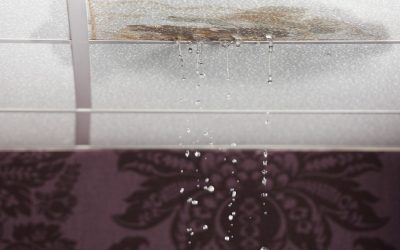
A minor leak can look harmless at first. You might notice a bit of water under a sink. Or after a storm, you may see water coming in from a cracked window. Sometimes a pipe leaks behind a wall and you only find out later. The problem is that wood can hold moisture long after the visible water disappears. Over time, that trapped moisture can weaken the wood and create conditions that lead to rot. Water damage restoration in Hyannis, MA controls moisture. It stops big problems before they start.
At All Dry Services of South Shore & Cape Cod, we know homeowners have plenty to think about when water enters a home. No one wants to find out months later that a small leak has ruined flooring, framing, or other wood parts. Understanding how wood rot develops can help you spot trouble early and act.
How Water Damage Leads to Wood Rot
Wood naturally contains some moisture, but if it keeps getting wet for a long time, things change fast. When wood remains damp, it can start to break down. Fungi that contribute to wood decay also thrive in moist conditions.
The tough part is that rot in wood can begin in places you cannot check. Moisture may sneak under a floor or creep behind drywall. In those hidden spots, it can stay there for a long time, like days or even weeks. Someone may clean up a wet spot and assume it is done. Still, dampness can remain out of sight, and the damage continues.
That’s why drying matters just as much as water removal. Water damage restoration in Hyannis, MA fixes what you can see. It also removes hidden moisture from building materials.
Where Wood Rot Can Hide in a Home
Water doesn’t always damage the parts of a home that are easiest to see. Some areas deserve extra attention after a leak or flood.
Floors and Subfloors
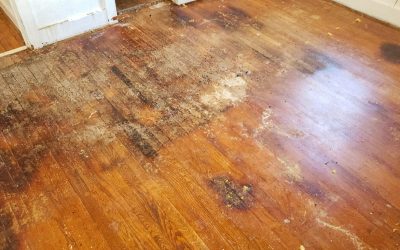
Water can move beneath flooring and soak into the subfloor. Appliance leaks, plumbing failures, or unexpected spills often cause this.
Watch for:
- Soft or spongy areas when you walk across the floor
- Warped boards or buckling
- Unusual movement beneath your feet
- Musty odors near flooring
A floor can seem fine at first glance. Under that top layer, moisture may still be trapped.
Walls and Framing
A plumbing leak inside a wall can expose studs and other wood components to moisture. Window leaks can create similar problems around frames and wall cavities.
You might see peeling paint or spots where drywall starts to bubble. Dark stains on the wall can also show up. Those signs mean water may have gone somewhere you cannot see. Inspect the areas around the marks. If you keep noticing a damp odor that will not go away, that is another hint.
Basements and Crawl Spaces
Basements and crawl spaces can run into dampness. Water can enter through small leaks. It can also come from groundwater. Sometimes it is caused by drainage that does not work well.
When the space stays wet, wood can be affected. It may begin to rot or twist out of shape. If a person looks things over regularly, they may catch the problem before it gets worse.
Warning Signs of Moisture and Wood Rot
Wood rot will not always show up right away. Often, the first signs are easy to miss.
Keep an eye out for:
- Soft, crumbly, or discolored wood
- Musty odors that don’t disappear
- Peeling paint or damaged drywall
- Flooring that feels uneven or soft
- Doors or windows that suddenly stick
- Water stains that return after cleaning
- Moisture that keeps appearing in the same location
Seeing those signs doesn’t automatically mean you have structural wood rot. Still, it is worth checking the moisture more closely.
Why Fast Water Damage Restoration Matters
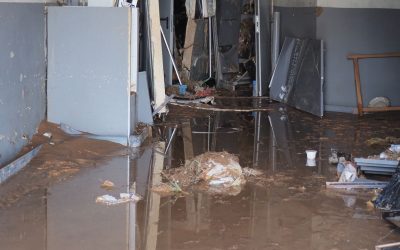
When water gets inside, timing matters. If surfaces stay damp for too long, moisture can move into more places.
Move quickly to shield the floors, the drywall, the furniture, and the parts that help carry weight in the house. Doing so can stop a repair from turning into something worse. That also helps avoid extra expense.
Professional water damage restoration in Hyannis, MA starts with finding the source. Then, it checks the affected areas. Technicians clear the water, dry the area, and check moisture levels as things improve.
This approach tackles the conditions that cause wood to deteriorate.
What Professional Water Damage Restoration Involves
Inspection and Moisture Assessment
Restoration begins with understanding what happened. Professionals identify the water source and inspect areas that may have absorbed moisture.
Moisture detection tools can help locate damp materials that don’t look wet. This info shows how far the water has traveled. It also highlights which areas need attention.
Water Extraction
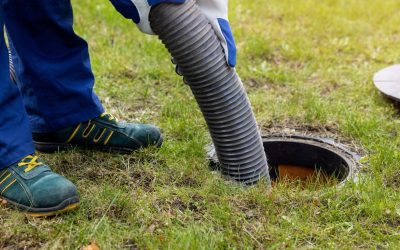
If water is still sitting there, removal pulls it off the site. Professional equipment handles more water. It also reaches places that household towels or basic wet vacuums can’t.
Removing water quickly helps keep wood and other materials from staying wet too long.
Drying and Dehumidification
After extraction, drying takes over. Fans help push air around. At the same time, the dehumidifier draws water vapor out of the air nearby.
Professionals check moisture levels during the process. They don’t rely on how a surface feels. That matters because materials can look dry while still holding moisture inside.
Cleaning and Restoration
Once affected areas dry, the next steps depend on the materials’ condition. Some items may recover fully, while others may need repair or replacement.
If water has damaged the wood, a qualified professional can assess whether it needs further evaluation.
Why Coastal Homes in Hyannis Need Moisture Awareness
Hyannis homeowners deal with changing weather year-round. Heavy rain and storms raise the risk of water entering a property. Humid conditions also make moisture harder to control.
That doesn’t mean every coastal home will develop wood rot. Homeowners should monitor moisture levels. This is especially important in basements, crawl spaces, and places with little airflow.
After a big storm or water event, check for moisture quickly. This can help you catch problems before they grow.
How All Dry Services of South Shore & Cape Cod Helps
At All Dry Services of South Shore & Cape Cod, we get that water damage brings many questions. Homeowners often worry about what to do next. Where did the water go? Did it get under the floor? Is the wall still damp? Could the wood have suffered damage?
Our approach answers those questions through inspection, water removal, drying, and moisture monitoring. We explain what we find and why certain areas need attention.
Our goal isn’t simply to make a wet area look dry. Effective water damage restoration in Hyannis, MA must tackle moisture. This helps prevent problems later.
How Homeowners Can Help Prevent Wood Rot
A professional restoration team can fix an active water issue in your home.
At the same time, regular upkeep can help you avoid new problems later.
Start with simple habits:
- Fix plumbing leaks as soon as you notice them
- Keep gutters and downspouts clear
- Check your basement and crawl space after heavy rain
- Watch for moisture around windows and doors
- Inspect appliances and their water connections
- Don’t ignore musty odors or recurring water stains
These steps won’t stop wood rot, but they can help you spot moisture issues sooner.
Protect Your Home Before Moisture Becomes Structural Damage
A little water now and then usually will not cause wood rot. The bigger issue starts when the wetness does not go away. If the wood stays damp for a while, damage can begin. Catching it early helps a lot.
If your home has a leak, flood, or storm damage, water damage restoration in Hyannis, MA can help. It reduces moisture and protects sensitive materials.
At All Dry Services of South Shore & Cape Cod, we give homeowners clear info. Water damage can be confusing. You deserve straightforward answers. Find moisture early. Remove it properly. Make sure affected areas dry. This can help protect your home for the long term.
To stay current with us, please follow our Facebook and Instagram pages.