All Dry Services of South Shore & Cape Cod


 90 Min Response Time
Hoarding Cleanup in Plymouth Properties Is Urgent Because Moisture Never Waits
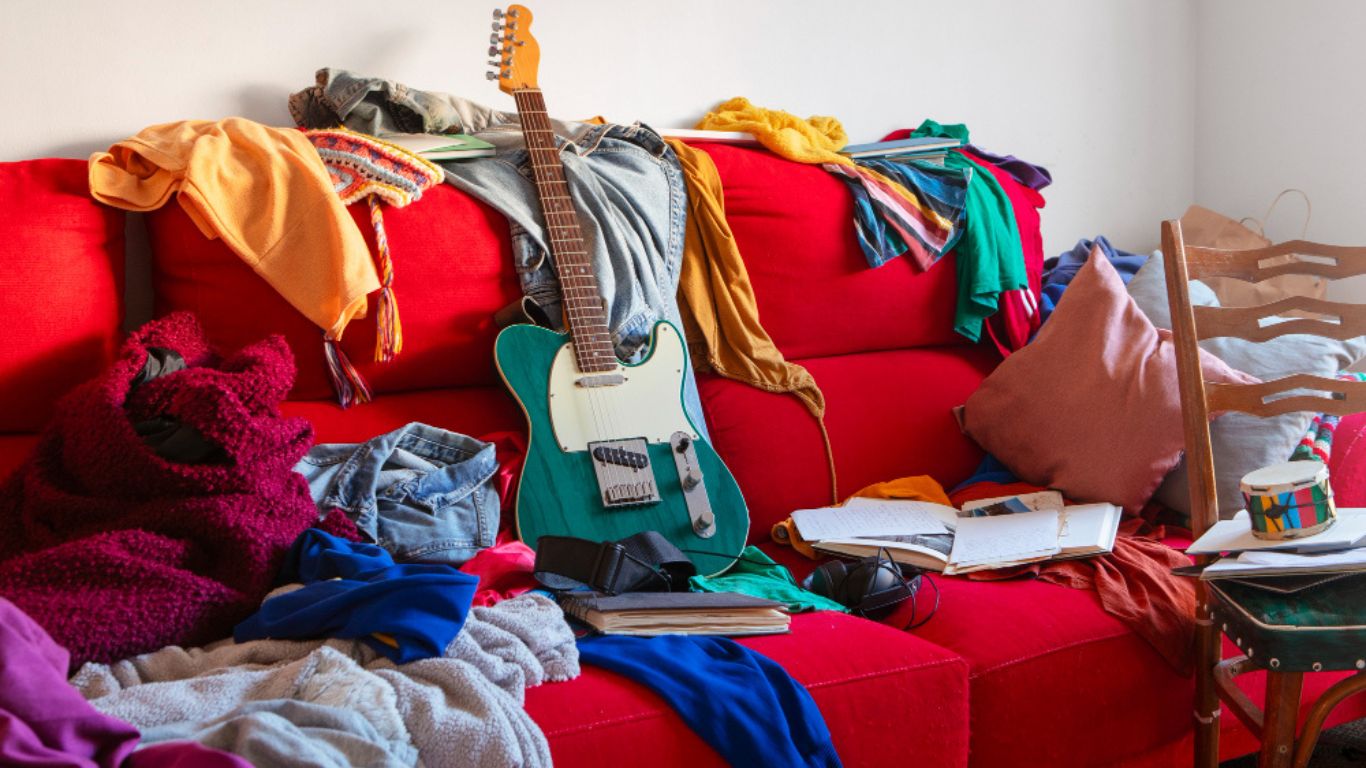
Clutter is a gradual progression because things accumulate through neglect. In time, one box may have ten boxes, and a room one reserves extends to unplanned storage into which one gets only by reminder.
The part that surprises most people occurs here: moisture refuses to wait until you finish your organizational tasks. The hoarding cleanup process in Plymouth is urgent because hidden moisture, combined with trapped clutter, creates dangerous conditions that intensify by the moment.
Why Clutter and Moisture Are a Bad Team
When items pile up in a room, air can’t circulate as it should. That stagnant air holds humidity, and humidity loves to settle into walls, floors, and anything it can reach.
What starts as a stuffy room can quietly turn into a moisture problem you can’t see yet.
Leaks make things worse. Small drips under the kitchen sink or a small roof issue can go completely unnoticed when items block your view and your access.
That water sits there for weeks, sometimes months, doing damage the whole time. By the time someone spots it, you’re already dealing with more than just clutter.
At All Dry Services of South Shore & Cape Cod, we’ve walked into enough of these situations to know that the moisture damage is almost always the bigger issue waiting underneath the clutter.
What Happens When You Wait Too Long
Putting off cleanup doesn’t just mean living with a mess; it means living with a mess. It means giving moisture the time it needs to cause real structural damage.
Here’s what tends to follow:
- Mold growth: Damp, still air is exactly what mold needs to thrive. Once it starts, it spreads fast and moves through the air to other parts of the home.
- Structural weakening: Wood softens. Drywall starts to crumble. Flooring warps. None of this happens overnight, but it all starts quietly in places you can’t see.
- Pest problems: Damp, cluttered spaces are basically a welcome sign for insects and rodents. They find shelter, food, and warmth all in one spot.
When these issues pile up, cleanup becomes more complicated and more expensive. Acting sooner always makes the process easier.
What Hoarding Cleanup Actually Looks Like
A lot of people picture hoarding cleanup as just hauling stuff out and calling it a day. In reality, it’s a full process, and skipping steps leads to the same problems coming back.
Assessment First
You need to fully understand your situation before starting any operations. The assessment process requires you to identify areas with the most clutter and investigate them for water-damage evidence while inspecting for mold and structural issues.
The entire process remains organized when you develop an effective plan before starting work.
Careful, Respectful Removal
Sorting through years of accumulated belongings takes patience. Some items might still be usable. Others need to go. This part of the process requires care, not just muscle. Safety matters here, too, since some areas may have unstable piles or hidden mold.
Deep Cleaning and Drying
The real restoration process starts after removing all the clutter from the area. All surfaces that absorb water require specialized cleaning methods.
The space achieves a healthy condition through the use of dehumidifiers and drying equipment. You must complete the process, or you will face the same situation again in two months.
It is the process we follow at All Dry Services of South Shore & Cape Cod, and it’s what separates a lasting fix from a temporary cleanup.
Why Professional Help Makes Sense
Handling hoarding cleanup in Plymouth on your own sounds doable until you’re actually standing in it. Large amounts of clutter, hidden water damage, possible mold, and emotionally difficult decisions can quickly make the situation overwhelming.
Professionals provide three essential components to their work: specialized knowledge, equipment resources, and practical field experience. Their expertise in safety procedures enables them to handle dangerous situations that involve mold contamination, sharp materials, and unsecured stacked items.
The trained team operates with high efficiency while reducing the duration of home security breaches.
Sensitivity matters just as much as speed here. These situations often carry emotional weight, and a respectful approach makes a real difference for homeowners going through the process.
Signs You Shouldn’t Ignore
Certain warning signs mean cleanup needs to happen sooner, not later.
- Strong, musty odors are a red flag. They usually mean that moisture or mold has already taken hold.
- Persistent discoloration or damp marks on walls and ceilings often indicate a long-standing leak.
- If rooms have become difficult to navigate, that’s a sign clutter has reached a critical level.
- Pest activity, like seeing insects or rodents more than usual, rounds out the list.
When several of these show up together, waiting becomes risky.
Keeping Problems From Coming Back
After the cleanup wraps up, a few simple habits go a long way. Running fans and a dehumidifier keep humidity from creeping back up.
Checking for leaks every now and then catches small drips before they turn into something expensive. And keeping pathways clear means nothing gets to hide under a pile again.
A follow-up inspection a few weeks out is worth doing. It confirms that moisture levels have settled and that nothing new has popped up since the work ended.
Hoarding cleanup in Plymouth is really about more than just clearing out a space. It’s about getting back a home that actually feels livable. That first step is the hardest one, but after that, everything else starts to fall into place.
To stay current with us, please follow our Facebook and Instagram pages.