All Dry Services of Rhode Island

 90 Min Response Time
Why Odor Removal in Warwick Makes Your Home Feel Fresh Again
You can clean every room. You can vacuum carpets and wash fabrics. You can even open the windows. Still, some smells come back. When that happens, the problem is not just unpleasant air. A lingering odor can make a home feel damp and stale. It can also make the space seem older and less inviting, even if everything looks tidy.
That is why odor removal in Warwick matters. A stubborn odor often signals deeper issues. It could be moisture, smoke residue, mold, sewage odors, or water-damaged materials. Once you find and treat the source, your home can feel fresh again.
Why Odors Remain After Normal Cleaning
Everyday cleaning targets visible surfaces like counters, floors, rugs, and fabrics. It helps with common odors, but stronger smells often come from particles trapped in porous materials.
Drywall, carpet padding, insulation, wood framing, and cabinets can all absorb and hold odors, especially when damp or contaminated. These materials continue to release odors into the air, and humidity or HVAC use can make it worse.
Air fresheners only mask the issue. Effective odor removal starts with finding and addressing the source.
Common Odor Sources in Warwick Homes
Homes in Warwick can have odor problems for several reasons. These include seasonal storms, plumbing issues, coastal humidity, smoke events, and past water damage. The right solution depends on the source.
Water damage and damp materials
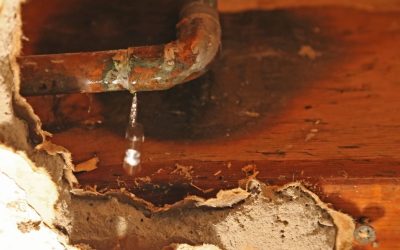
Water is a common cause of recurring odors. A slow leak under a sink, behind a wall, or under flooring can create a musty smell before visible damage appears, affecting wood, drywall, insulation, and carpet padding if not fully dried.
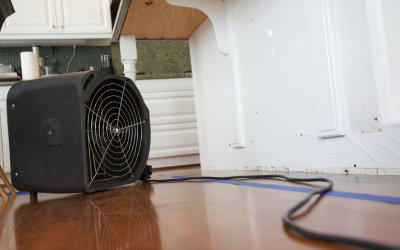
Leak detection, moisture readings, and thermal imaging can locate hidden moisture. Once found, water extraction, mitigation, structural drying, and dehumidification are often needed, since odors return if any moisture remains.
Mold and microbial growth
A musty odor doesn’t always mean mold, but it can be an early warning, so it’s worth paying attention. Mold can grow in hidden spots. You might find it behind walls, under floors, around windows, in basements, or in attics. It can also appear near old leaks. In a lot of cases, the smell shows up first, even before you can see any growth, and that part is easy to miss.
A mold inspection helps determine whether mold removal or remediation is needed. The goal is not to mask the odor but to fix the moisture source and safely clean, treat, or remove affected materials.
Smoke and fire-related smells
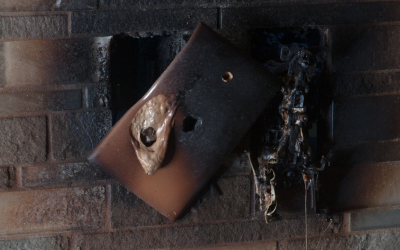
Smoke odor can be very persistent. Even a small kitchen fire, candle incident, or appliance issue can spread residue through nearby rooms. Soot and smoke can settle on walls, ceilings, furniture, fabrics, vents, and other porous materials.
Fire and smoke damage restoration focuses on removing soot and smoke residue. First, we clean the affected surfaces. Then, we treat materials that still have lingering odors. The smell often fades after airing out the area. However, it can return when humidity increases or if the HVAC system circulates the air again.
Flooding, storms, and sewage
Storm and flood damage restoration often involves more than just removing water. Floodwater can carry dirt and bacteria. It can also bring other pollutants. These can get into carpets, baseboards, drywall, and subfloors. If those materials are not cleaned, dried, or removed properly, the odor can remain long after the area looks dry.
Sewage backups require special care. Sewage cleanup is vital. Contamination causes the smell, and we need to remove and clean it. In these cases, removing odors in Warwick should be part of a bigger cleanup. This cleanup needs to focus on safety, drying, and any affected materials.
What Professional Odor Removal Should Do
Real odor removal isn’t the same thing as just adding fragrance. First, identify the cause. Check for moisture, do quick visual inspections, use thermal imaging, and examine areas affected by smoke, mold, sewage, water, or other contaminants.
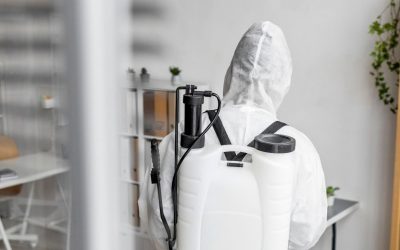
After the source shows up, someone must clean, treat, or take care of it. If moisture is part of the story, structural drying along with dehumidification is what you use; do not bypass that step. The odor treatment comes last. This is important because you want to get rid of any lingering smells. You also want the place to feel truly clean, not just masked with “better smelling” air.
Simple Steps Before You Call
Before scheduling service, note when the odor is strongest. If it worsens after rain, it may indicate leaks or moisture. If it increases with HVAC use, it could be spreading through ductwork. If it builds when the homeowner closes the home, hidden materials may cause it.
Look for signs of water damage, such as:
- Bubbling paint
- Warped trim
- Soft drywall
- Stained ceilings
- Damp floors
- Musty cabinets
- High humidity
Avoid scrubbing mold or covering up odors with fragrance. Also, report any recent leaks, storms, fires, sewage backups, hoarding, or trauma cleanups.
A Fresher Home Starts at the Source
Odor problems affect homes, apartments, offices, retail spaces, and other properties. In commercial restoration, odor removal is often needed after water damage, sewage issues, smoke damage, or storms to restore a comfortable environment for employees, tenants, and customers.
For homeowners, odor removal is usually the final step after services like water damage restoration, flood damage restoration, mold remediation, smoke damage restoration, sewage cleanup, hoarder cleaning, or trauma cleanup. When a home smells off, it is hard to relax, even if it looks clean. The right odor removal in Warwick targets the hidden cause and helps restore a fresh, healthy space.
To stay current with us, please follow our Facebook and Instagram pages.