All Dry Services of Rhode Island

 90 Min Response Time
Mold Inspection in Pawtucket When to Test What Inspectors Look For and What It May Cost
Rhode Island’s coastal air, older housing stock, and frequent storms make moisture problems surprisingly common. And where moisture lingers, mold can follow, sometimes behind walls or under floors where you won’t notice until the smell (or symptoms) show up.
Should you be considering a mold inspection in Rhode Island? The answer is to prevent that little problem from becoming an even bigger one. Below is a straightforward homeowner’s guide to determining when a mold inspection is needed, what a mold inspector is looking for, and factors that affect cost.
When mold inspection in Rhode Island makes sense
The need for mold testing doesn’t arise out of thin air for most people. It is generally prompted by an incident or a pattern that you can’t explain. Here is where it all comes down to understanding the relationship between moisture and risks.
Here are the most common situations where a professional mold inspection is worth considering:
- After water damage or flooding: Any incident that required water damage restoration, flood damage restoration, water extraction, or water mitigation can leave hidden damp areas. Even when surfaces look dry, moisture can remain in framing, insulation, or subfloors.
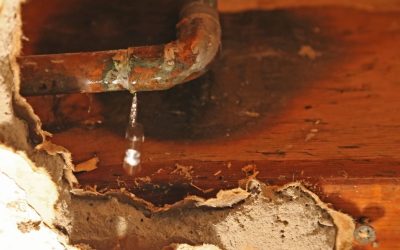
- Following a leak you can’t fully track: Slow plumbing leaks, roof leaks, or appliance leaks often spread quietly. If you suspect an issue, leak detection (including thermal imaging when appropriate) can help pinpoint likely moisture sources that may be feeding mold.
- Musty odors that keep returning: If you’ve tried basic cleaning and the smell comes back, it may be coming from a cavity (behind drywall, in a crawl space, or in HVAC-adjacent areas). In some cases, odor removal is needed after the underlying moisture and mold problem is addressed.
- Visible staining or suspicious spotting: Not every dark spot is mold, and not every mold problem is visible. An inspection helps confirm what you’re seeing and how far it may extend.
- After storms: Rhode Island storms can drive water into basements, attics, and siding. If you needed storm damage restoration or noticed water intrusion afterward, an inspection can help catch growth early.
- Before buying or selling a home, a mold inspection can reduce surprises during negotiations, especially in basements, attics, and areas with past water events.
- After sewage backups, moisture and contamination are a serious combination. If you’ve needed sewage cleanup, it’s smart to confirm that affected materials were properly dried and that conditions aren’t right for microbial growth.
One quick rule of thumb: if you’ve had moisture for more than a day or two, or you’re not sure what’s happening behind the surface, an inspection is a practical next step.
What inspectors look for (and why it matters)
A mold inspection is not about finding mold everywhere, but about determining how the structure enables mold growth. Mold is an indicator, but the cause is typically water.
1) Moisture sources and pathways
Inspectors investigate where the water may be entering, and where it travels within the building. It could involve plumbing pipes, roof penetrations, leaking windows, foundation problems, or even high humidity in basements/crawlspaces.
In cases where moisture is present but cannot be seen, instruments such as thermal imaging can detect temperature variations that may reveal its presence in finished areas. This, combined with leak detection, can save money on demolition work.
2) Areas that commonly hide mold
Mold often grows where airflow is limited, and materials stay damp. In Rhode Island homes, that frequently includes:
- Basement rim joists and finished basement wall cavities
- Under-sink cabinets and behind dishwashers
- Bathroom ceilings and around exhaust fans
- Attics near roof leaks or poor ventilation
- Behind baseboards after minor flooding
The inspectors also check for building materials that tend to retain moisture when exposed to water. These include drywall, insulation, and wood. Failure to dry out these materials fully could result in growth in their presence.
3) Evidence of past water damage
Even if the home is dry today, stains, warped materials, bubbling paint, or repaired sections can indicate prior moisture. That history matters because mold can remain in concealed spaces, and recurring leaks can restart growth.
4) Air and surface conditions (when appropriate)
Depending on the circumstances, the inspection could involve analyzing suspect areas and determining whether there are indications of active mold growth. If mold is present, the course of action would be a remediation strategy involving mold removal and cleanup.
Typical costs: what affects mold inspection pricing
Mold inspections usually involve some costs, which most homeowners would prefer to have a single amount for them. But mold inspections have variable costs, depending on the size of the house, the complexity of the problem, and the thoroughness of the investigation that is required.
Here are the biggest factors that influence price:
Home size and layout: More square footage and more levels usually mean more areas to check.
Accessibility: Tight crawl spaces, cluttered basements, or limited attic access can add time to the process.
Whether there’s a known water event: If the issue follows flooding, a burst pipe, or storm intrusion, the inspection may focus on specific zones tied to water extraction or water mitigation work.
Need for advanced tools: Using thermal imaging to track suspected moisture behind walls can expand the scope beyond a straightforward visual inspection.
How quickly you need it: Real estate timelines or urgent post-loss situations can affect scheduling.
You don’t have to “prep” your house like for a remodel. Still, a few simple steps can help make the inspection more accurate and efficient.
What to do before (and after) an inspection
You won’t have to prepare your home as if you were remodeling it, but just a few quick tips will help improve the quality of the inspection.
Before the appointment
- Write down the timeline: When did the odor start? When did you notice staining? Was there a storm, leak, or overflow?
- Point out any prior repairs: Past patchwork can be a clue to recurring moisture.
- Avoid heavy cleaning of suspect areas right beforehand: Wiping everything down can make it harder to understand what’s going on.
- Provide access: Clear a path to the attic hatch, under-sink cabinets, basement corners, and utility areas.
After you get the results
If mold is found, the most important next step is fixing the moisture driver. Otherwise, even the best mold removal can turn into a repeat problem.
Depending on what’s discovered, the solution may involve:
- Leak detection to locate an active plumbing or roof leak
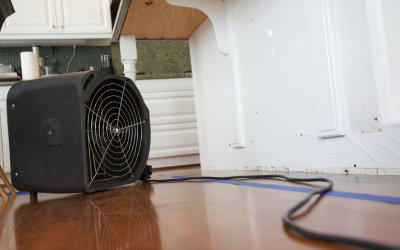
- Water mitigation, water extraction, and structural drying if materials are still wet
- Dehumidification to bring indoor moisture back to safe levels
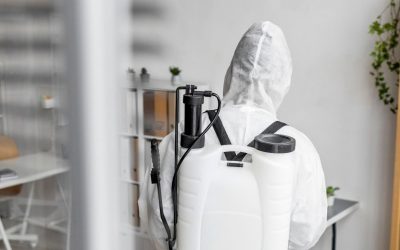
- Mold remediation to contain and remove affected materials and clean impacted areas
- Odor removal if lingering smells remain after the source is addressed
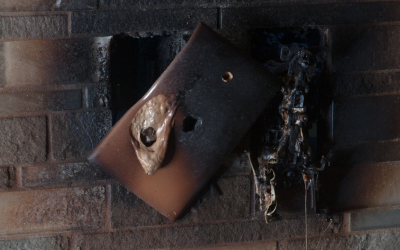
If a kitchen fire or heavy smoke harmed your home, you may need help. Fire and smoke damage restoration could be part of your recovery plan. For properties with a lot of contents, hoarder cleaning can complicate moisture control. This makes a clear plan even more essential.
Why timing matters more than people think
The initial causes of mold are typically household-related. These include a dripping pipe beneath a sink, a wet corner of the basement after the rain, or poor ventilation of a bathroom fan. Mold damage is caused by moisture, leading to swollen baseboards, deteriorating drywall, and foul odors.
Early inspection can reduce the scope of work later. It can help you avoid guesswork. For example, you might replace flooring when the real issue is moisture in the subfloor. Or you could paint over stains without fixing the leak first.
If something feels “off” in your home, like musty smells or damp spots, consider a professional mold inspection from All Dry Services of Rhode Island. It can provide quick clarity, especially after a water incident. Knowing what’s happening and where makes it easier to pick the right fix. This could be drying and dehumidification, targeted leak detection, or full mold remediation. Each option helps restore the home to a clean, healthy state.
To stay current with us, please follow our Facebook and Instagram pages.