All Dry Services of Phoenix

 60 Min Response Time
What to Expect During Mold Remediation in Phoenix, AZ
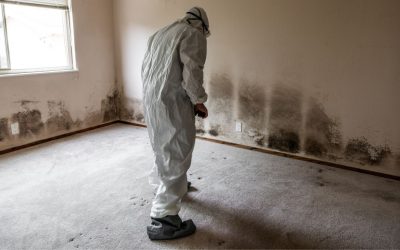
Finding mold in your home or business can be stressful. You may notice dark spots on a wall, a musty smell, or signs of moisture after a leak. When you need mold remediation in Phoenix, AZ, understanding the process can help.
Professional mold remediation is not just scrubbing what you can see. It’s also about finding the source of the moisture. You set off the space to stop spores from spreading. Then, remove the damaged parts of the building. Clean the affected surfaces and take steps to reduce the chances of it returning.
Why Mold Remediation in Phoenix, AZ Requires a Careful Process
Mold grows when moisture stays in one place for too long. Plumbing leaks and roof issues can cause problems. Overflowing appliances and past water damage can also lead to issues.
Moisture can stay in walls, under floors, or in cabinets, even in Phoenix’s dry climate. That means visible mold may only be part of the problem.
Common signs of a mold issue include:
- Musty or earthy odors
- Discolored walls or ceilings
- Mold around windows or cabinets
- Damp drywall or flooring
- Warped building materials
- Recurring moisture in the same area
A good remediation process must tackle both the mold and the moisture that caused it.
Step 1: Inspecting the Property and Finding Moisture
The first step in mold remediation in Phoenix, AZ is to inspect the affected area.
Technicians may check walls, ceilings, floors, cabinets, and nearby rooms. They can also use moisture meters to locate damp areas that aren’t easy to see.
Finding the moisture source is important. Cleaning mold won’t solve the problem if water keeps entering the space.
The source could involve:
- Plumbing leaks
- Roof damage
- Appliance leaks
- Condensation
- Previous flooding
- Water intrusion from storms
At All Dry Services of Phoenix & East Valley, we first check the property’s condition. Then, we plan the cleanup.
Step 2: Creating a Remediation Plan
Once technicians understand the problem, they can create a cleanup plan.
Not every mold situation requires the same approach. A small spot on a hard surface needs different treatment than mold in drywall or insulation.
A remediation plan may explain:
- Which areas need treatment
- Which materials can stay
- Which materials may need removal
- What containment methods will technicians use
- How moisture will be addressed
- What cleaning equipment may be needed
The restoration crew needs to spell out the steps in plain terms. Then you can follow what will happen next.
Step 3: Setting Up Containment
Containment stops mold spores and debris from spreading to clean areas during cleanup.
Technicians may use plastic barriers or other methods to separate the work area. This depends on the size of the problem. They may also use air filtration equipment to capture airborne particles.
This step is key when workers take out moldy drywall, insulation, or other materials. Disturbing those materials can release particles into the surrounding space.
Step 4: Removing Mold-Damaged Materials
Some building materials can be cleaned, while others may need to be removed.
Porous materials absorb moisture easily, which can make mold difficult to remove thoroughly. Depending on the damage, technicians may remove:
- Drywall
- Insulation
- Carpet padding
- Ceiling materials
- Trim
- Other heavily affected porous materials
A professional team should evaluate each area before deciding what to remove. The goal isn’t to remove more material than necessary.
Step 5: Cleaning Affected Surfaces
After removing materials that can’t stay, technicians clean the remaining surfaces.
This part of mold remediation in Phoenix, AZ includes cleaning wood framing. It also involves nearby surfaces and other materials in the area.
Professional tools may include HEPA-filtered vacuums and specialized cleaning products.
The cleaning method depends on where the mold is, how much there is, and what kind of surface needs cleaning.
At All Dry Services of Phoenix & East Valley, we tailor our methods to each property’s needs. We don’t treat all mold problems the same way.
Step 6: Drying the Area
Moisture control remains one of the most important parts of mold remediation.
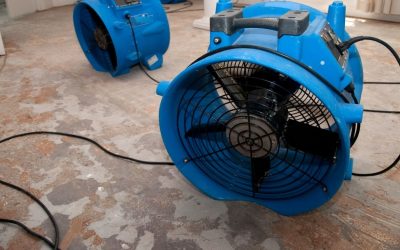
If an area stays damp after cleanup, mold may have another chance to grow. Technicians may use air movers and dehumidifiers to dry affected materials.
They should also monitor moisture levels during this process.
A wall or floor can feel dry to the touch, but water can still sit under the surface. A moisture meter shows whether the area has dried out.
Step 7: Completing the Final Cleanup
After the cleaning and drying are finished, the techs move on to the last round of tidying. Then they run a few checks to make sure everything looks right.
This may include:
- HEPA vacuuming
- Cleaning remaining surfaces
- Removing debris
- Checking moisture levels
- Inspecting treated areas
- Carefully removing containment materials
The cleanup team takes out drywall, flooring, or other materials. Some damage might still need fixing. Repairs may still be needed after they complete the remediation.
How Long Does Mold Remediation Take?
There isn’t one set timeline for every mold problem.
A small, contained area may take less time than a large project involving several rooms. Hidden moisture, damaged materials, or an ongoing leak can also extend the process.
The property’s condition should determine the timeline. Rushing cleanup or drying may leave moisture or contamination behind.
What Should You Do During Mold Remediation?
Property owners can help. Follow the restoration team’s instructions. This makes the process easier.
You may need to:
- Stay out of contained areas
- Keep children and pets away from work zones
- Avoid disturbing visible mold
- Address known leaks
- Move personal belongings when advised
- If you have questions, ask them. A reliable company should keep you informed throughout the process.
- Avoid Common Mold Cleanup Mistakes
A common mistake is painting right over visible mold. Paint can hide stains for a bit, but it does not fix the wet source under the surface.
Other mistakes are:
- Relying on household bleach
- Ignoring musty odors
- Trying to clean a big mold problem without proper containment
Most importantly, don’t ignore the moisture source. Even thorough cleanup may not solve the issue if water keeps entering the area.
Know What to Expect From Mold Remediation
Professional mold remediation in Phoenix, AZ has several steps. First, there’s inspection. Then, containment happens. After that, they remove the mold. Next, cleaning takes place. Drying follows, and finally, there are checks.
Every property is unique. So, the process varies based on the mold’s location and how much moisture has spread.
All Dry Services of Phoenix & East Valley helps homeowners and businesses. They handle mold and moisture damage in Phoenix and the East Valley. Knowing the remediation process helps you make smart choices. It also makes you feel ready when mold shows up.
To stay current with us, please follow our Facebook and Instagram pages.