 All Dry Services of North County & San Diego

 60 Min Response Time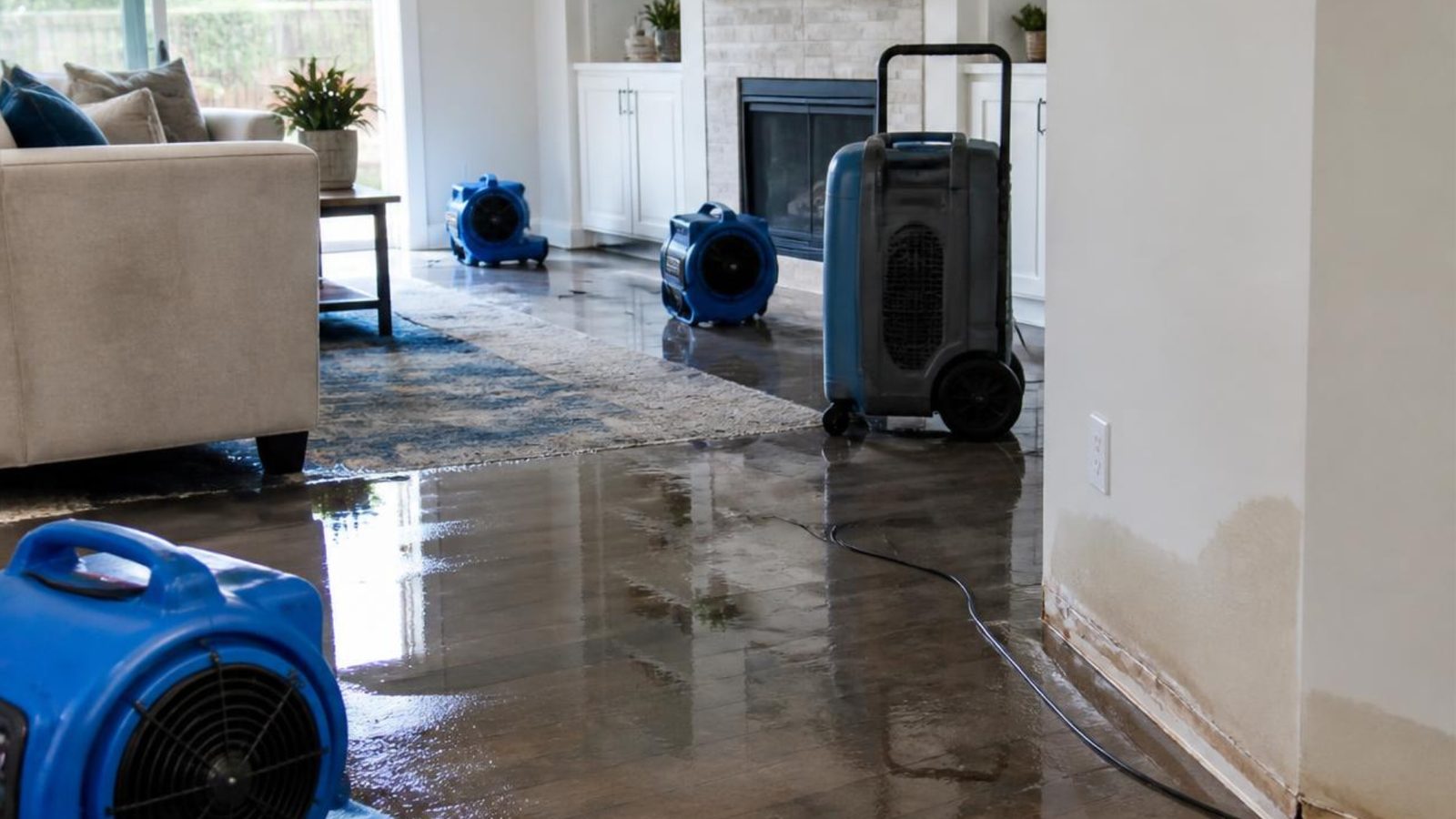
How Can You Prevent Mold After a Flood in Your San Diego Home?
The key to preventing mold after a flood is drying your home within the first 24-48 hours. Start by removing standing water, increasing airflow, removing soaked porous materials such as carpet padding and damaged drywall, lowering indoor humidity, and checking for trapped moisture in hidden areas.
Even when a home looks dry, water can remain behind walls, under flooring, or inside crawl spaces. Acting quickly after a flood helps prevent mold growth before it becomes a larger repair problem.
Table of Contents:
- Why Mold Becomes a Risk After Flooding in San Diego
- What To Do First Before Cleaning or Drying
- Step-by-Step Mold Prevention After a Flood
- Hidden Places Mold Can Grow After Flood Damage
- What Should Be Removed vs What Can Be Dried
- When Does Mold Prevention Need Professional Drying?
- How Can San Diego Homeowners Reduce Future Flood Mold Risk?
- FAQs
Why Mold Becomes a Risk After Flooding in San Diego
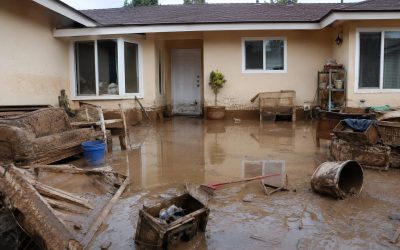
Mold spores are already present in most homes. After a flood, they become a problem when they find moisture and a surface to grow on, such as drywall, wood, carpet, and insulation.
San Diego’s dry climate helps reduce mold risk most of the year, but storms and flooding can quickly create the right conditions for growth. Wet indoor air, trapped moisture, and areas with poor airflow, like garages and crawl spaces, can make drying more difficult.
Some homes are more vulnerable after flooding. Slab foundations, common throughout San Diego and North County, can trap moisture under flooring, while older homes may have hidden areas where water collects behind walls, under floors, or around plumbing. Coastal North County homes in Carlsbad, Encinitas, and Oceanside also deal with marine-layer humidity that slows drying.
Mold Needs Moisture, Time, and Organic Material
Mold requires three things to grow: moisture, time, and a food source. Remove any one of those quickly enough, and growth stalls before it starts.
Most building materials, including drywall, wood framing, carpet padding, and insulation, are a food source on their own. That leaves moisture as the only variable you can realistically control fast.
Why the First 24-48 Hours Matter
That window matters because it’s roughly how long dormant mold spores need to start actively growing once they find moisture.
Materials that are dried, cleaned, or removed within this timeframe are far less likely to develop mold. Once that window passes, growth can begin beneath the surface before it’s visible, which is why speed matters more than thoroughness in the first two days.
What To Do First Before Cleaning or Drying

Before removing water or starting cleanup, make sure the area is safe to enter. Floodwater can contain bacteria, chemicals, and electrical hazards that are not always visible.
- Check for power hazards: Do not enter flooded areas if outlets, appliances, or wiring may have been exposed to water. Turn off power to affected areas if it is safe to do so.
- Avoid contaminated floodwater: Do not touch floodwater from storms, sewage backups, or outdoor flooding without protection. Treat storm and sewage water as contaminated no matter how clean it looks.
- Wear protective equipment: Use gloves, waterproof boots, and eye protection during cleanup. For larger or contaminated floods, use additional protection, such as a respirator.
- Avoid using your HVAC system: Do not turn it on if floodwater may have reached the equipment or ductwork. A contaminated system can spread mold spores and debris throughout your home.
Step-by-Step Mold Prevention After a Flood
The faster you remove water and dry your home, the lower the chance of mold growth. Follow these steps to limit damage and prevent moisture from spreading.
- Remove standing water quickly: Start as soon as the area is safe to enter. Use pumps, wet/dry vacuums, or professional water extraction equipment for larger floods. Standing water can quickly soak into drywall, flooring, and wood.
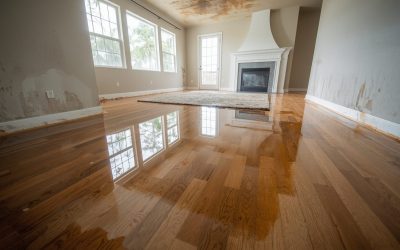
- Dry floors, walls, and baseboards: Dry all affected areas. Moisture can hide behind trim, under flooring, and inside wall cavities, even after surfaces look dry.
- Remove soaked carpet, padding, and porous items: Remove materials that retain moisture, such as wet drywall, insulation, and damaged furniture. These items are difficult to dry completely and can support mold growth.
- Use fans and dehumidifiers safely: Use fans to improve airflow and dehumidifiers to remove moisture. Make sure air is not moving from contaminated areas into clean parts of the home.
- Clean hard surfaces with detergent and water: Clean non-porous surfaces like tile, concrete, and sealed wood with detergent and water to remove dirt and flood residue. Let surfaces dry completely before putting items back.
- Keep indoor humidity low: Control moisture with dehumidifiers and ventilation to maintain indoor relative humidity below 50%. The EPA’s recommended range for preventing mold growth is 30% to 50%. Pay close attention to areas that dry slowly, such as garages, closets, crawl spaces, and rooms with limited airflow.

Hidden Places Mold Can Grow After Flood Damage
After a flood, mold does not always grow where you can see it. Moisture can stay trapped in hidden areas and create problems days or weeks after the water is removed.
Many of these areas cannot be confirmed with a visual check alone, since walls, subfloors, and ductwork often need to be opened or tested with a moisture meter to know for sure.
- Behind drywall and baseboards: Water can move into wall cavities and collect behind baseboards. The wall surface may look dry while moisture remains inside.
- Under flooring and carpet padding: Carpet, wood flooring, and padding can trap water underneath. Hidden moisture in these areas can lead to mold growth and damage to flooring.
- Inside cabinets and closets: Floodwater can seep into cabinet bases, shelves, and stored items. Closed spaces with limited airflow take longer to dry.
- Around HVAC systems and vents: If floodwater reaches your HVAC equipment or ductwork, moisture and contaminants can spread through the system. These areas should be inspected before running the unit.
- In crawl spaces, garages, and utility areas: These spaces often have poor airflow and are easy to overlook during cleanup. Moisture left behind in these areas can continue feeding mold growth.

What Should Be Removed vs What Can Be Dried
The right choice depends on the material, how long it has stayed wet, contamination levels, and whether it can be fully cleaned and dried.
| Item | Remove or Dry? | What To Consider |
| Carpet padding | Remove | It absorbs water quickly and is difficult to dry completely, making it a common place for mold growth. If the water came from a storm, sewage backup, or outdoor flooding, padding should be removed regardless of dry time due to contamination risk. |
| Drywall | Often remove | Wet drywall can trap moisture inside walls and may need to be removed if it cannot be dried properly. If the floodwater was contaminated, such as by sewage or stormwater, drywall should be removed even after it dries out, since contamination can’t be fully removed from the material. |
| Insulation | Remove | Wet insulation holds moisture and can create hidden mold problems behind walls. |
| Wood framing | Dry and inspect | Solid wood can often be saved if it is dried quickly and does not have major damage. |
| Tile/concrete | Clean and dry | These materials can usually be cleaned, dried, and kept if they are structurally sound. |
| Furniture | Depends on the material | Solid furniture may be salvageable, while porous items like upholstered pieces are harder to restore. |
| Documents/clothing | Clean and dry quickly | These items may be saved if dried and cleaned before mold develops. |
| Cabinets/baseboards | Inspect and dry | Check for swelling, trapped moisture, and damage behind or underneath the material. |
When Does Mold Prevention Need Professional Drying?
Some flood situations need more than fans and cleanup supplies. Professional drying is recommended when water reaches hidden areas or materials that are difficult to dry completely.
Consider professional help if you notice:
- Standing water that remains after cleanup: Water left sitting can quickly soak into flooring, walls, and building materials.
- Wet drywall or soaked insulation: These materials can trap moisture inside walls, where mold can grow out of sight.
- Floodwater contamination: Water from storms, sewage backups, or outdoor flooding may contain contaminants that require specialized cleanup.
- Musty odors after drying: A lingering smell can indicate that moisture or mold is still present, and that the job has moved from drying into mold remediation.
- Moisture behind walls or under flooring: Hidden moisture often requires professional equipment to locate and properly dry.
- Flooding that sits overnight or longer: The longer materials remain wet, the greater the risk of mold growth and structural damage.

How Can San Diego Homeowners Reduce Future Flood Mold Risk?

Preventing mold after a flood starts with stopping water problems before they happen. Regular home maintenance can reduce the risk of moisture entering and causing hidden damage.
- Maintain gutters and drainage: Keep gutters clear and make sure water drains away from your home’s foundation. Poor drainage can push stormwater toward walls, garages, and crawl spaces.
- Check grading around your home: Make sure the ground slopes away from the house so rainwater does not collect near the foundation or seep into lower areas.
- Inspect your roof after heavy rain: Look for missing shingles, leaks, or water stains. Small roof leaks can create ongoing moisture problems if left untreated.
- Keep plumbing systems maintained: Fix leaking pipes, water heaters, and fixtures quickly. Even small leaks can create enough moisture for mold growth.
- Use dehumidifiers in damp areas: Garages, crawl spaces, and other areas with limited airflow may need extra moisture control, especially after storms.
- Improve ventilation: Good airflow helps reduce trapped humidity in areas like bathrooms, laundry rooms, closets, and storage spaces.
- Respond to leaks quickly: Address water damage as soon as it happens. The faster the moisture is removed, the lower the chance of mold developing.
If your North County San Diego home has hidden moisture, soaked materials, or extensive flood damage, All Dry Services of North County San Diego can help. As an IICRC Certified Firm (#70143402), our team uses moisture meters and commercial drying equipment to find the water you cannot see. Get a free flood damage estimate in North County San Diego.
FAQs
How fast does mold grow after a flood?
Mold can start growing within 24-48 hours of a flood. Warm rooms speed that up, so a garage or attic in summer turns faster than a cool interior room. Growth usually starts out of sight, inside wall cavities or under flooring, before anything shows on the surface.
What is the best way to prevent mold after flooding?
Get the water out and the air moving on day one, then keep drying until a moisture meter reads normal, not until surfaces feel dry to the touch. Trusting the touch test is the most common reason homeowners stop early and find mold weeks later.
Can fans prevent mold after a flood?
Fans help by moving air across wet surfaces, but they do not pull moisture out of the air. Without a dehumidifier running alongside them, they mostly push damp air around. Never point a fan from a contaminated area toward clean rooms.
Should carpet be removed after flood damage?
The padding almost always goes, even when the carpet itself can be saved. Padding acts like a sponge and cannot be dried in place. Carpet soaked by clean water and extracted within a day or two is often salvageable. Storm or sewage water is not.
Can mold grow behind drywall after a flood?
Yes. Water wicks up drywall from the floor and sits inside the wall cavity where airflow never reaches it. A technician checks this with a moisture meter or small inspection holes near the base of the wall, not by looking at the paint.
What humidity level helps prevent mold?
The EPA recommends keeping indoor relative humidity below 60%, and ideally between 30% and 50%. A hygrometer costs under $30 and takes the guesswork out. Keep in mind a room can read 45% while a cold wall behind furniture stays wet enough to grow mold.
When should I call a restoration company after flooding?
Call when water has touched drywall, insulation, or subfloor, when it sat overnight, or when it came from a storm or sewage line. A simple rule: if you cannot see and reach every wet surface, you cannot dry it with household fans.
Can mold grow in a San Diego home after only one flood?
Yes. One flood is enough if moisture stays trapped. San Diego’s dry air helps surfaces dry fast, which is part of the problem, because homeowners assume the job is done while water is still sitting under flooring or inside walls.
What does the smell of mold mean after flood damage?
A musty, earthy smell usually means mold is already growing somewhere you cannot see, often behind drywall or under flooring. The odor gets stronger in closed rooms or when the HVAC turns on. If it returns after drying, something is still wet.