All Dry Services of Metro South

 60 Min Response Time
7 Problems Fixed by Storm Damage Restoration in Fort Worth, TX
Storms can move through North Texas quickly and leave a surprising amount of damage behind. Heavy rain, strong winds, and hail can affect everything from your roof to the flooring inside your home. Sometimes, the biggest problems aren’t obvious right away. Storm damage restoration in Fort Worth, TX helps property owners uncover these issues, dry affected areas, and prevent the damage from getting worse. At All Dry Services of Metro South, we’ve seen how addressing storm damage early can make the recovery process much easier.
Why Storm Damage Can Be More Serious Than It Looks
A storm doesn’t have to tear off your roof to cause trouble. A few missing shingles or a small opening around a window may give rainwater enough room to enter.
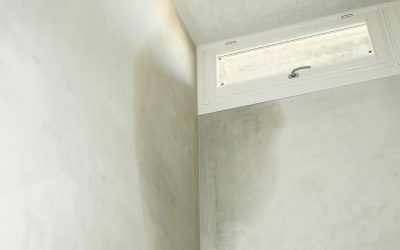
Once inside, water can travel behind walls and beneath flooring. What looks like a small stain could point to a much larger moisture problem. Professional storm damage restoration in Fort Worth, TX looks beyond what’s visible so hidden damage doesn’t get overlooked.
1. Roof and Exterior Damage from Strong Winds
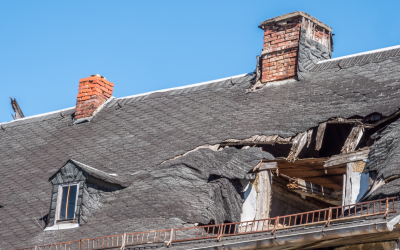
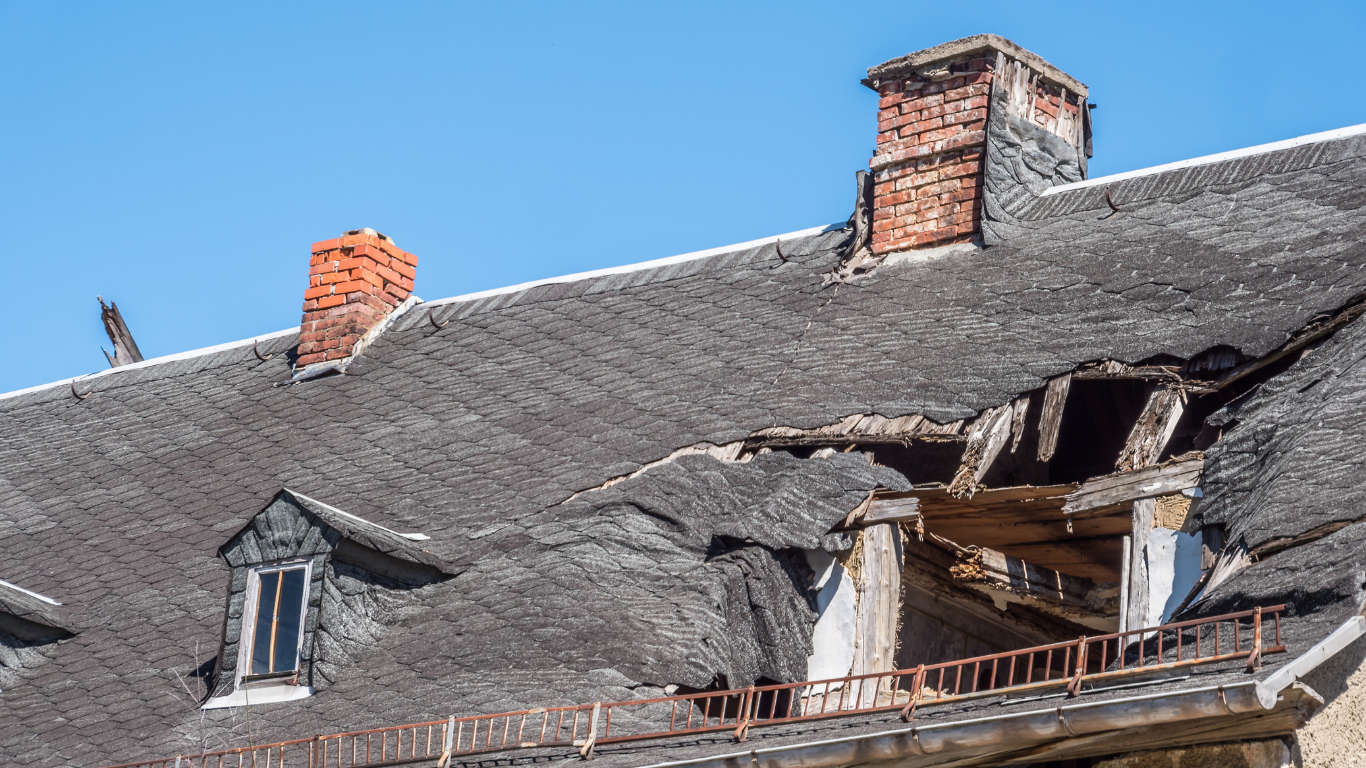
Strong winds can blow off shingles, ruin the flashing, and rip off siding. While they seem like small things from the ground, strong winds can leave openings for water to get into the building.
Water that enters through the roof can reach insulation, ceilings, and walls. Finding these vulnerable areas early helps limit how far the damage spreads.
2. Water Intrusion from Heavy Rain
People in Fort Worth understand that weather conditions can be unpredictable in Texas. With rainfall, water can enter the building through openings such as roofs, windows, or doors.
Water does not remain in one place once it enters the premises. The effects of gravity make it move about the materials used for construction. Fort Worth, TX storm damage restoration services can detect such moisture.
3. Flooded Rooms and Standing Water
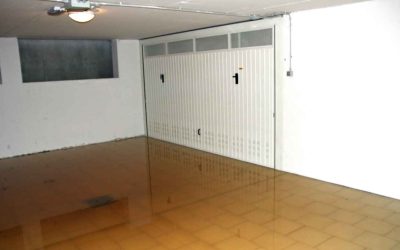
Storms can cause flooding that can easily overflow drainage systems and get into your house or place of work. Water left standing for long can soak the carpet, floors, walls, and furniture, among other things.
Removing that water quickly matters. Professional extraction equipment can handle much more water than household vacuums or towels. At All Dry Services of Metro South, water extraction is often one of the first steps toward getting an affected property dry again.
4. Hidden Moisture Behind Walls and Floors
One of the trickiest parts of storm damage is knowing when something is truly dry. A wall may feel dry on the surface while moisture remains behind it.
Restoration professionals can use moisture detection equipment to identify damp materials that might otherwise go unnoticed. Finding trapped moisture allows the drying process to focus on the areas that actually need attention.
This is an important part of storm damage restoration in Fort Worth, TX because hidden moisture can continue causing problems after visible water disappears.
5. Mold Growth After Storm Damage
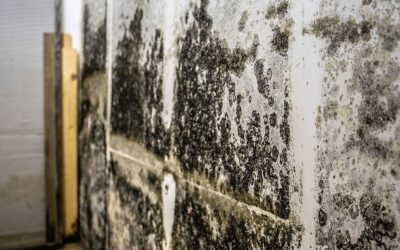
Mold likes damp conditions, which means storm-damaged properties can provide a suitable environment for growth if moisture remains.
This is one reason why fast drying is important. By eliminating extra moisture and controlling humidity levels, you can help prevent further moisture damage. In case there is mold growth, the area may need further professional help.
The goal isn’t to create panic over every wet spot. It’s simply to recognize that a property that stays damp for too long may develop problems that weren’t present immediately after the storm.
6. Damaged Drywall, Flooring, and Building Materials
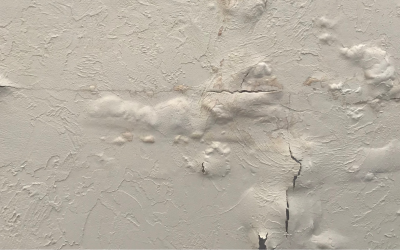
Water affects building materials in different ways. Drywall can soften or crumble. Wood flooring may swell or warp. Insulation can hold moisture long after nearby surfaces appear dry.
During storm damage restoration in Fort Worth, TX, professionals evaluate these materials to determine what they can dry and restore. Some materials may need removal when contamination or physical damage makes restoration impractical.
Making these decisions early can help keep the restoration process focused and prevent damaged materials from creating additional issues.
7. Lingering Odors and Poor Indoor Conditions
That musty smell after a storm usually isn’t something you want to cover with an air freshener. Persistent odors can indicate that moisture or contaminated materials remain somewhere in the property.
Cleaning, drying, and deodorizing affected areas can help address odors at their source. Air movement and dehumidification also help create a drier, more comfortable indoor environment.
How Professional Storm Damage Restoration Brings the Pieces Together
Assessing the Full Extent of the Damage
At All Dry Services of Metro South, restoration begins by understanding what happened and how far the damage extends. An assessment can identify visible water damage as well as areas where moisture may have traveled.
From there, the restoration team can develop a plan based on the property’s actual needs.
Water Extraction and Structural Drying
After removing standing water, the drying process begins. Air movers and dehumidifiers help remove moisture from affected materials and control humidity inside the property.
Professionals can monitor moisture levels during this process instead of simply guessing when everything has dried.
Cleaning and Restoring Affected Areas
Stormwater can leave dirt, debris, and other unwanted material behind. Cleaning affected surfaces helps return the property to a usable condition.
Depending on the damage, restoration may also involve addressing materials that the storm affected. The goal is to create a clean, dry, and comfortable space again.
Why Acting Quickly After a Fort Worth Storm Matters
It’s tempting to wait when storm damage doesn’t look severe. Unfortunately, water can continue moving through materials long after the rain stops.
Prompt storm damage restoration in Fort Worth, TX can limit moisture exposure and help prevent a manageable problem from turning into a larger restoration project.
All Dry Services of Metro South helps residential and commercial property owners understand the extent of their damage and determine what needs attention. Clear communication throughout the process can also make an already stressful situation easier to manage.
Get Your Property Back on Track After Storm Damage
A Texas storm can leave several problems behind at once, from roof leaks and standing water to hidden moisture and damaged materials. You don’t have to figure out every issue on your own.
When storm damage goes beyond a simple cleanup, All Dry Services of Metro South can assess the affected areas and help you work toward a dry, restored property. Taking care of the damage sooner gives your home or business a better chance to get back to normal without unnecessary complications.
If your property has been affected by storm damage, contact us today to discuss the situation and find out how we can help with the restoration process.
To stay current with us, please follow our Facebook and Instagram pages.