All Dry Services of Metro South

 60 Min Response Time
Preventing Structural Rot After Mold Remediation in Mansfield, TX
Mold problems can leave you wondering what happens after cleanup. Removing visible mold is key, but it doesn’t fix the moisture that caused it. Without proper moisture control, damp building materials can keep deteriorating. That is why mold remediation in Mansfield, TX has to fix the conditions that helped mold grow in the first place. At All Dry Services of Metro South, we know protecting your property goes beyond the surface.
Mold and structural rot often share the same root cause: too much moisture for too long. After remediation, dry out your property. This will keep wood, flooring, walls, and other materials safe from future problems.
Why Mold Remediation Doesn’t Always End the Problem
Mold and Moisture Often Go Hand in Hand
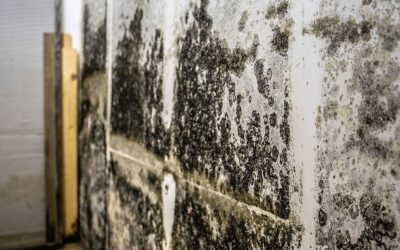
Mold needs moisture to grow. A leak, condensation, poor ventilation, or water intrusion can make your home damp. If someone cleans the mold but doesn’t fix the moisture, the issue can come back.
That doesn’t mean mold remediation has failed. It means the property may have another issue that needs attention. Fixing the moisture source helps the building stay dry after cleanup.
In Mansfield, changing weather and heavy rain can add extra moisture around homes. Indoor plumbing problems can also create moisture where you least expect it. After mold remediation in Mansfield, TX, check areas that previously had leaks or water damage.
How Structural Rot Can Develop
Wood and other porous materials can lose strength if they sit wet for a long time. Over time, moisture can lead to rot, swelling, weak or mushy spots, and other damage.
Structural rot doesn’t always announce itself with a major visual change. You might see a soft spot around a window, a damaged part of the floor, or wood that feels unusual. In some cases, the damage remains hidden behind walls or underneath floors.
That’s why moisture control matters even after the visible mold disappears. Keeping materials dry helps reduce the conditions that can contribute to further deterioration.
Common Areas Where Structural Rot Can Hide
Walls and Framing
Walls can hide moisture for a long time. A plumbing leak in a wall can soak insulation, drywall, and wood framing. You might not see a stain until it’s too late.
Watch for signs such as:
- Soft or swollen areas around walls and trim
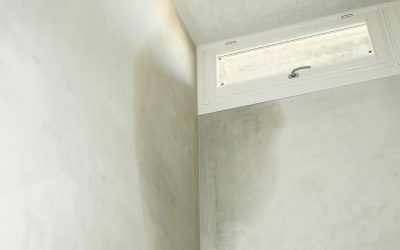
- Discoloration that keeps returning
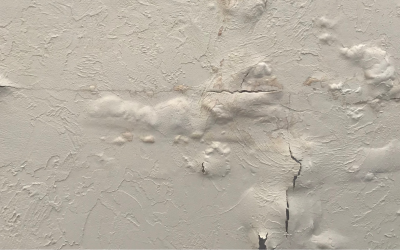
- Peeling paint or wallpaper
- A musty smell that doesn’t go away
If these signs keep showing after mold remediation in Mansfield, TX, check again. This can help determine whether moisture is still inside the wall.
Floors and Subfloors
Flooring can hide moisture as easily as walls. Water can seep under carpet, laminate, or other flooring. It can reach the subfloor below.
Wood subfloors may swell or weaken when moisture remains trapped. If the floor feels bumpy, soft, or extra springy, take a closer look. This matters even more if the room experienced a leak before or flooded at any point.
Never trust what you can see on the top of a floor. A surface can look dry, yet water may still sit below it. You might not notice it from above.
Attics, Roof Areas, and Exterior Openings
Roof leaks can introduce moisture into attics and ceilings. Poor ventilation can also allow humidity to build up in these spaces.
Around windows and exterior doors, worn seals can create another path for water to enter. After a major storm or period of heavy rain, watch for new stains or damp areas.
Tackling these issues early helps protect wood and other materials from moisture.
Steps to Prevent Structural Rot After Mold Remediation
Find and Fix the Moisture Source
Start by figuring out why the spot got damp.
It can come from:
- plumbing leaks
- a damaged roof
- condensation
- poor drainage
- inadequate ventilation
Simply cleaning mold without addressing the source won’t solve the bigger moisture problem. Once you identify the cause, the appropriate professional can make the needed repairs.
At All Dry Services of Metro South, we show property owners how moisture affects their homes. That information can help you take the next step with greater confidence.
Keep Affected Areas Dry
After remediation, moisture control becomes an ongoing part of property care. Good airflow and proper ventilation can help reduce excess humidity. In places with past water damage, checking moisture levels can provide helpful insights.
If a space still feels damp or develops a musty smell, don’t ignore it. Those signs may indicate that moisture remains somewhere nearby.
Professional drying equipment can help remove moisture after significant water intrusion. Addressing damp materials sooner can reduce the chance of more damage.
Inspect Vulnerable Materials
After a moisture problem, some materials need extra checking. Wood framing and subfloors can stay damp longer than you would think. Insulation can also hold moisture. Drywall may take time to dry out, too. Other porous materials can do the same.
A professional inspection can help determine whether these materials remain in good condition. Timely repairs can stop damage from worsening if it has already started.
Signs Your Mansfield Property May Have Structural Rot
Changes in Wood and Building Materials
Watch for changes in areas that previously experienced leaks or moisture. Wood that feels unusually soft or looks swollen may indicate a problem.
Other warning signs can include:
- Crumbling or weakened wood
- Persistent discoloration
- Warped flooring or trim
- Soft spots around walls or floors
These signs do not prove the wood or structure is already rotting. Still, if they show up at a place with a known moisture issue, you should take notice.
Persistent Moisture and Musty Odors
A weird old odor can be a clue that damp is still there. If you clean things and the smell returns, do not cover it with a plug-in or spray. Find the source of the moisture instead.
Recurring moisture can also create conditions that support new mold growth. If you see the same problem happening again in the same spot, check it more closely. This can help find the cause.
Recurring Mold Growth
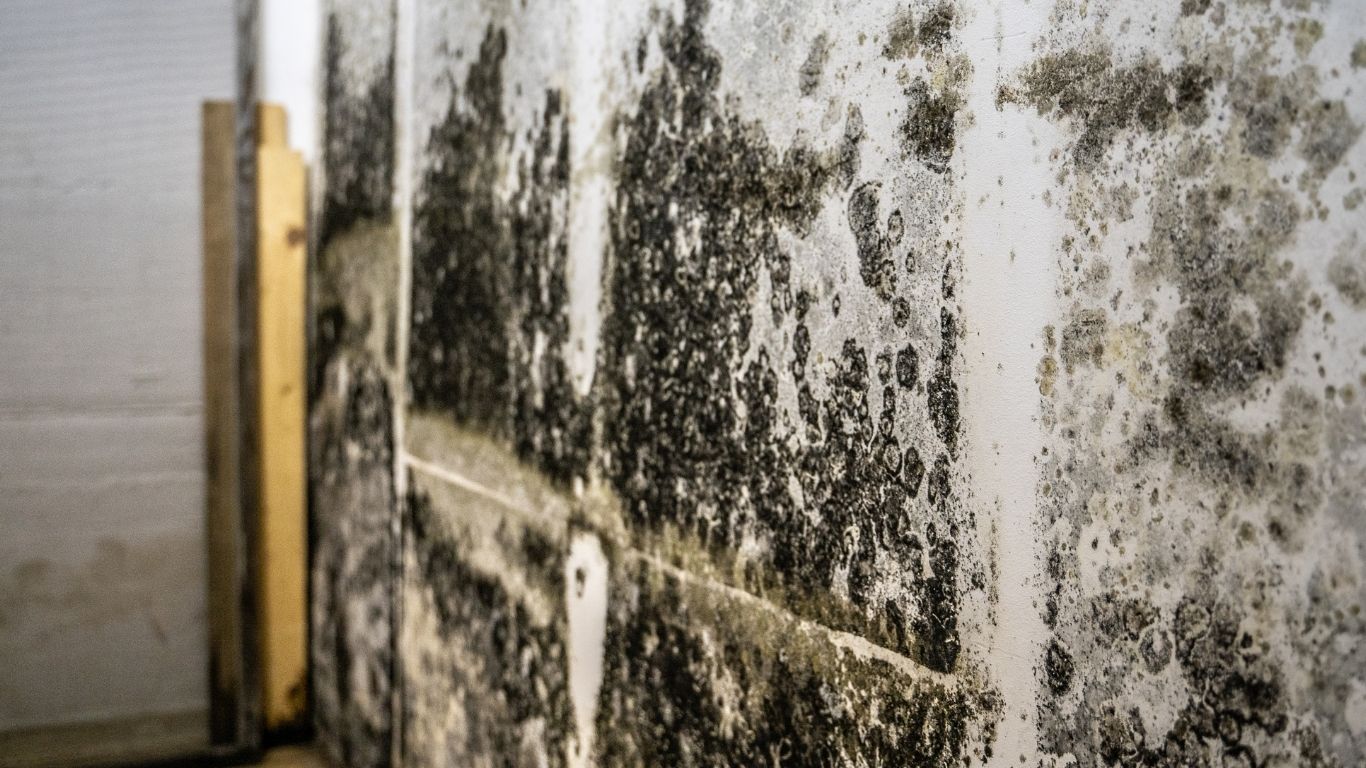
Mold that keeps returning to one area can point to an unresolved moisture issue. You may clean the surface only to see the problem come back later.
This pattern deserves attention. A recurring problem doesn’t necessarily mean the original remediation wasn’t thorough. Instead, moisture may continue entering or collecting in the area.
Professional mold remediation in Mansfield, TX removes existing mold. Moisture control reduces conditions that let mold return.
How All Dry Services of Metro South Can Help
Thorough Moisture and Damage Assessment
At All Dry Services of Metro South, we know property damage doesn’t always show up where you can see it. Water can sneak into spots you cannot reach and still harm the materials inside.
Our team can check areas with moisture problems. We can also spot conditions needing more attention. We treat each property uniquely. We don’t assume all moisture problems are the same.
Restoration After Mold Remediation
After pros deal with the mold, the property may need more drying, cleaning, or restoration. What is required depends on the origin of the wetness and how far it spreads.
We want property owners to understand what caused the problem and what usually comes next. We also know this kind of damage can feel overwhelming, so we explain it in clear, plain terms.
Clear Guidance for Property Owners
You don’t need to become a mold or moisture expert overnight. What matters is knowing when something doesn’t seem right.
If you smell something musty, see a wet patch come back, or notice things shifting in your home, don’t ignore it. Handle the moisture issues right away. Doing so early can help protect the property and lower the risk of bigger damage later.
Protect Your Mansfield Property After Mold Remediation
Successful mold remediation involves more than removing what you can see. Keeping the property dry is key. It protects building materials and reduces moisture issues later.
After mold remediation in Mansfield, TX, keep an eye out for:
- leaks
- humidity
- musty odors
- changes in walls or flooring
If something seems off, check the area. This can help you figure out what’s wrong before it gets worse.
At All Dry Services of Metro South, we help property owners. We provide useful information and support for restoration. Controlling moisture today can go a long way toward protecting your property tomorrow.
To stay current with us, please follow our Facebook and Instagram pages.