 All Dry Services of Greater Nashville

 24/7 Emergency Service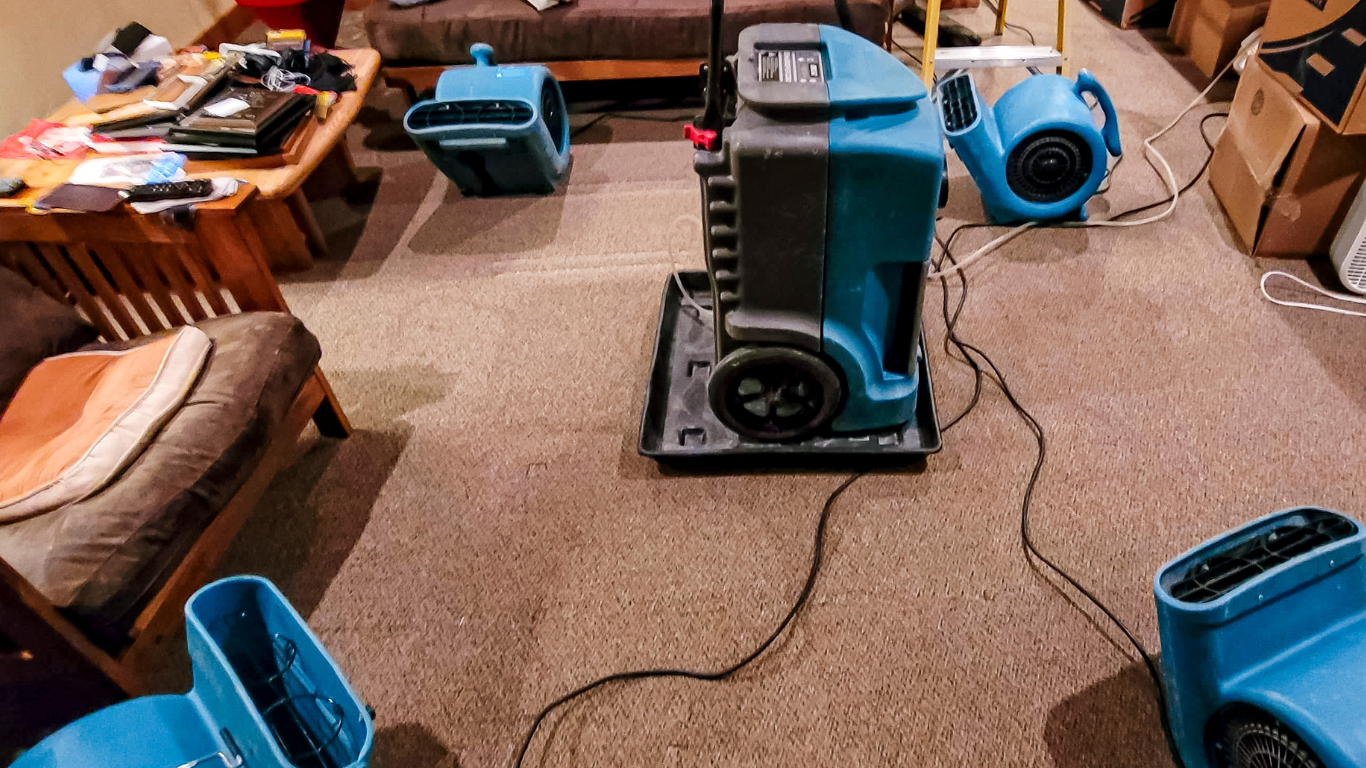
Trusted Flood Damage Restoration in Nashville for Cleanup Drying and Repairs
When water gets into your home or business, it doesn’t take long for a “small” problem to turn into warped floors, crumbling drywall, and that musty smell that won’t go away. In Nashville, sudden downpours, rising creeks, and plumbing failures can all lead to the same stressful question: who can you trust to handle flood damage restoration quickly and correctly?
This is where a professional response becomes necessary. Flood damage restoration services in Nashville are not limited to removing visible water. They are concerned with proper cleaning, drying, and restoration. That is why you can feel safe, secure, and comfortable.
Why flood damage gets worse fast (even after the water is gone)
One of the most frustrating parts of a flood is that damage keeps spreading long after the puddles are mopped up. Water can move into places you can’t easily see, such as under flooring, behind baseboards, inside wall cavities, and into insulation. If it isn’t dried properly, moisture lingers, triggering a chain of issues.
After flooding, Nashville property owners often encounter these problems:
- Hidden moisture that causes soft spots in floors or paint to bubble
- Odors from damp materials that never fully dry
- Mold can grow quickly in wet, enclosed spaces
- Electrical and safety concerns when water reaches outlets, appliances, or wiring
- Contamination risks when floodwater or a backup involves sewage
Flood damage restoration is a complete process. It includes cleanup, drying, and repairs. It shouldn’t be seen as just one task.
Trusted flood damage restoration in Nashville: what “done right” looks like
One needs to understand what is involved in the full restoration process. This makes it easy to detect when a shortcut is involved. The best way is first to stop the source of the problem. Then comes the removal of water and drying.
1) Immediate stabilization and water removal
The first goal is to prevent further damage. This may involve shutting off the water to the property, fixing storm-related entry points, or finding the source of the water. If the source isn’t controlled, drying efforts can be wasted.
Professional Water Damage Restoration and Flood Damage Restoration typically start with extracting standing water and removing soaked materials that can’t be salvaged. This is also the stage where technicians pay close attention to the type of water involved, clean water from a supply line is very different from water that has traveled through the ground or been mixed with waste.
2) Drying that targets the water you can’t see
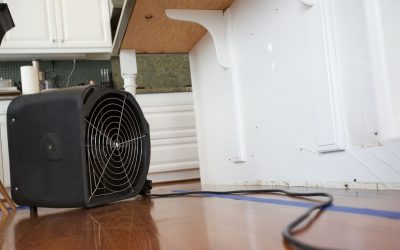
Drying is where many DIY efforts fall short. Fans alone may dry the surface while moisture stays trapped underneath. A restoration team dries the whole structure, not just the room. This way, materials can reach safe moisture levels.
Expect to see a system that involves monitoring wet spots in the future. Move your machines if necessary. This will help you dry properly. You should avoid problems like cupping in hardwood, cracking in drywall, and moisture pockets.
3) Cleaning, sanitizing, and odor control
Floods are also accompanied by a bad odor, which may not appear for several days. This is because moisture can trap organic debris and humidity, causing the musty “basement” smell even in relatively new houses.
This is where Odor Removal can make a big difference. Professional odor work targets the source of smells. This includes damp materials and lingering contamination. It targets the problem directly rather than masking odors with fragrances. If there’s a backup, Sewage Cleanup is crucial. It helps tackle sanitation issues and lowers health risks.
4) Repairs that restore your space, not just the appearance
Repairs may then commence after the drying and cleaning processes are complete. Such repairs might involve changing the drywall, baseboards, flooring, and insulation. The main thing to note here is that repairs need to be done after drying to avoid trapping moisture in the walls.
In many cases, restoration overlaps with other services depending on what happened. A severe storm may require Storm Damage Restoration alongside flood work. If water exposure leads to microbial growth, Mold Removal & Remediation may be needed before rebuilding.
Common Nashville flood scenarios and the best solution for each
Not all flooding is the same. Here are a few real-world situations that happen in the Greater Nashville area, and what typically helps most.
Basement or crawl space flooding after heavy rain
Rainwater can enter through foundation cracks, vents, or low points around the home. Even if the water level is shallow, the humidity and trapped moisture can be significant, especially in crawl spaces.
Best solution: Flood Damage Restoration with thorough drying and odor control. If musty smells persist or growth appears, Mold Removal & Remediation may be recommended.
Water heater or washing machine failure
Leaking from appliances tends to travel further than anticipated, wetting the subfloor and traveling beneath the walls into other rooms. The sooner it’s taken care of, the better the chance that the affected areas can be dried instead of stripped out.
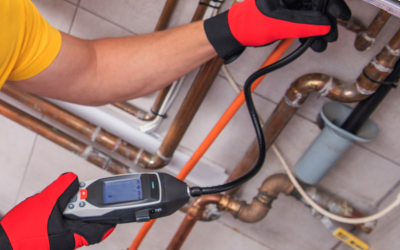
Best solution: Water Damage Restoration paired with Leak Detection if the source isn’t obvious or if you suspect additional hidden leaks.
Storm-driven water intrusion
High winds can damage roofing, siding, windows, or doors, allowing water to enter during the storm. This can also happen in commercial buildings with large roof surfaces and complex drainage systems.
Best solution: Storm Damage Restoration plus drying and repairs to prevent ongoing intrusion and secondary damage.
Sewage backup
This is one of the most urgent situations because it involves contamination. Porous materials may need to be removed, and affected areas must be cleaned and sanitized properly.
Best solution: Sewage Cleanup with appropriate cleaning and Odor Removal, followed by repairs once the area is safe and dry.
What you can do right now: practical steps while you wait for help
If you’re dealing with flooding, a few smart actions can reduce damage and make restoration smoother. Only do what feels safe. If there’s any risk of electrical hazards or contaminated water, avoid the area and wait for professionals.
- Shut off the water source if the flooding is from plumbing or an appliance.
- Turn off electricity to affected areas if water is near outlets or electrical equipment (only if you can do so safely).
- Move valuables and important items to a dry location, including papers, electronics, and sentimental items.
- Avoid running HVAC if you suspect water has reached the ducts or if there’s a sewage issue, as this can spread odors and contaminants.
- Document the damage with photos and notes for your records.
These steps don’t replace professional drying and cleanup, but they can reduce the amount of material that requires replacement.
When flood damage overlaps with fire and smoke issues
It surprises some property owners, but flood situations can be connected to fire and smoke problems. For example, electrical issues caused by water exposure can lead to overheating or equipment damage. nd in some emergencies, the water used to put out a fire can cause significant secondary damage.
In those cases, restoration may involve a combination of services, such as Fire Damage Restoration and Smoke Damage Restoration, along with water cleanup and drying. Coordinating the work matters because soot, smoke odors, and water damage each require different handling to avoid spreading residue or locking smells into surfaces.
Commercial properties: why speed and planning matter even more
For companies, floods create problems that extend beyond building damage to include lost operational time, work interruptions, and the risk of inventory destruction. Fast action can minimize downtime and maintain safety in the customer, administrative, and storage areas.
Commercial Restoration focuses on key areas. It controls moisture in big spaces and tackles odors. This helps the building become safe to use quickly. No matter the size of the office, cleanup and drying must finish before repairs and reopening.
Flooding is overwhelming, but a clear plan makes it manageable. When you handle cleanup, drying, and repairs in the right order, it makes a big difference. Services like Leak Detection, Odor Removal, Sewage Cleanup, Mold Removal, Storm Damage Restoration, and Fire Damage Restoration are essential. You don’t just “fix” the mess; you improve the whole situation. Fix your property with confidence. This helps lower the chance of the same damage happening again.
Call us today for expert water damage restoration in Nashville. We’re here to help you restore your home or business and prevent further damage.
To stay current with us, please follow our Facebook and Instagram pages.