All Dry Services of Boston Metro West & Metro South

 60 Min Response Time
What Families Should Know About Trauma Cleanup in Bridgewater
When something sudden happens at home, families in Bridgewater often dread the cleanup. In the hours and days that follow, making the right choices is key.
These choices can protect your health, property, and peace of mind. Trauma cleanup in Bridgewater is important. Emotions often run high.
Trauma scenes can have some hidden dangers. Odors soak into porous materials and stay there. Contaminants spread along with footsteps, even when people think it’s fine.
Moisture from sprinklers or emergencies can lead to bigger problems later. By then, it may be too late. With the right approach and some help, families can get their space back to safe and livable again.
Why trauma cleanup is different from “regular” cleaning
After an unexpected event, many families just want to clean up quickly. Trauma scenes may have biohazards and contaminants. Household cleaners often can’t deal with them. The area seems fine, but nearby materials might need special removal and cleaning.
Professional Trauma Cleanup often includes:
- Careful containment
- Removal and disposal of impacted porous materials
- Thorough cleaning and disinfection
- Odor Removal
Issues like water from sprinklers, broken plumbing, or weather exposure may arise. Water extraction and water mitigation help. Dehumidification and structural drying do too. They all stop more damage.
What Families Can Expect from Trauma Cleanup in Bridgewater
Every situation is unique, but families usually want to know what happens when a restoration team arrives. A professional response begins by checking the affected area. Then, it identifies what they need to do. This includes identifying impacted materials and planning a safe cleaning strategy.
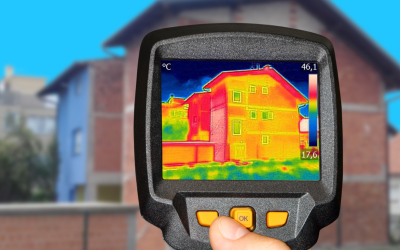
The team also looks for hidden wetness or maybe contamination routes, kind of thing. Tools like thermal imaging can find moisture behind walls or under floors. This is especially useful after water damage occurs. If the leak is part of the problem, leak detection methods can find the exact source. They show where it began, not just where it appeared.
The work typically follows these phases:
- Stabilize the environment. Water Extraction and Dehumidification reduce risks of damage.
- Remove impacted materials. Some materials are hard to clean, so remove them promptly to prevent further issues.
- Clean, disinfect, and deodorize. This part is about taking care of lingering smells that can hang around in drywall, fabrics, or even the HVAC systems.
- Dry and restore. Structural drying makes sure everything is dry before any repairs begin, or before re-occupancy.
Families often wonder how long the process takes. The timeline varies based on the size of the area, the presence of water or smoke, and the materials that need removal.
Hidden Problems Families May Not Notice Right Away
After a traumatic event, immediate issues can mask other developing property problems. These issues can become costly if missed early.
Moisture and Mold Risk
If someone uses water in an emergency or if humidity is high, moisture can get trapped in walls or floors. This is where mold Inspection and mold removal become important. Mold can take time to appear, often only after odors or stains emerge.
Dehumidification, water mitigation, and structural drying help prevent this. Acting quickly can mean the difference between a simple dry-out and a larger remediation project.
Smoke and Fire-Related Residue
Smoke damage restoration may be needed if a fire happened. Smoke residue can drift farther than you’d expect it to, really. It can leave behind intense odors that hang around for a while, longer than people imagine.
That’s why professional odor removal is a big deal. But at the same time, taking care of the original source of the residue is just as vital and, kind of, the whole point.
Sewage and Contamination
Plumbing backups can bring in unsanitary water and you might not even notice at first. A specialized sewage cleanup service operates.
Contaminated water can spread pathogens easily. If you’re unsure where the water came from, it’s best to take it seriously. Reach out for professional help right away.
Actionable Steps for Families During an Emergency
During an unexpected event, having simple, practical steps can help. Here are a few actions to reduce risk while waiting for professional help.
- Limit access to the area. Keep kids and pets away, and avoid walking through it to prevent the spread of contaminants.
- Don’t attempt DIY cleanup of hazardous materials. Household gloves and cleaners aren’t safe for this type of cleanup.
- If water is present, stop the source if it’s safe to do so. Shutting off a valve can prevent further damage. If there’s an active leak, professional Leak Detection can help find it.
- Ventilate only when appropriate. Fresh air can help, but be cautious about spreading odors.
- Document what you can. Take photos of affected areas for records, only if it’s safe to do so.
These steps won’t replace professional Trauma Cleanup. But they can help stop contamination and make things easier.
Cleanup Services That You May Need
Trauma cleanup in Bridgewater is often just one part of the recovery. Depending on the situation, families may need a combination of services for full stabilization.
- Storm Damage Restoration when the event lines up with rough weather conditions, and everything sort of gets messy.
- Flood Damage Restoration if water comes inside the residence, no hesitation.
- Commercial Restoration if the incident happened in a workplace, not a home.
- Hoarding Cleanup when clutter makes access and repairs hard to manage and sort of slows everything down.
Working with a restoration team that handles multiple services ensures better coordination. Managing water damage, smoke damage, mold remediation, and trauma cleanup together prevents gaps. This way, you ensure a complete cleanup.
What To Consider When Choosing a Trauma Cleanup Team
Families might feel pressured to make quick decisions. However, it’s vital to ask practical questions, not just those that are simple to answer.
A good provider should clearly explain the steps. They should also show what they require and what is optional. If it’s explained kind of smoothly, you know what to do next, and you can decide with less guesswork.
Consider asking:
- How will you contain the affected area?
- Will you check for hidden moisture using tools like thermal imaging?
- How do you handle odor removal to prevent smells from returning?
- If there’s water damage, what’s your plan to extract water and dehumidify?
- If mold is a concern, can you perform mold inspection and remediation?
Clear answers can help families feel more in control, which is vital during a tough time.
Families need a solution. It should focus on safety and on a sense of normalcy after an unexpected event. A quick fix isn’t enough. After trauma cleanup and good restoration services, you’re doing more than just fixing a home. You’re also protecting the people who live there.
To stay current with us, follow out Facebook and Instagram pages.