 All Dry Services of Boise

 45 Min Response Time
What to Do First for Water Damage Restoration in Meridian
Water damage is never welcome when it happens. A burst pipe, a washing machine overflowing, a leaking water heater, or heavy rain can change a regular day into something stressful and kind of messy in a hurry.
It can sound like this, but when those initial decisions are made, gosh, they could matter more than individuals probably think. Water damage restoration in Meridian starts when you act immediately and manage your state.
Speed will go a long way toward minimizing damage, protecting your belongings during the event, and reducing the risk of mold growth in your home or place of business.
At All Dry Services of Greater Boise, we’ve seen firsthand that acting early usually means easier recoveries. Water tends to move through drywall, flooring, insulation, and framing much faster than most people expect. Figuring out what comes next can help protect your property and keep that steady, calm feeling you want.
Step 1. Put Safety First
Before thinking about cleanup, make sure the area is safe. Water and electricity create a dangerous combination. If water has reached outlets, appliances, or electrical panels, avoid entering the area until it’s safe to do so. If you can safely access your electrical panel, turn off power to the affected section of the property.
Also pay attention to the source of the water. If the water came from sewage, flooding, or another contaminated source, avoid direct contact. Clean water from a broken supply line presents fewer health concerns than contaminated water, but every situation deserves careful evaluation. Staying safe should always come before saving belongings.
Step 2. Stop the Source of the Water
If it is now safe, intercept more water and keep it from entering your estate. You must then close the principal valve to the entire household water supply if the interruption of a single pipe has also caused the headache.
In the event of an appliance failure, turn it off and break the water supply, if any. If the roof is impaired or a storm causes leakage, one may be very hard-pressed to stop water at once, though one can usually succeed in lessening further damage by throwing pails under the more active drip points.
To avoid adding water sources to future tasks crews would have to deal with, it helps to stop the flow of water. Every gallon that does not enter the house means less drying, less repair, and easier restoration.
Step 3. Move Valuable Items to a Dry Area
Personal property doesn’t take long to be damaged by water. Electronic gadgets, important documents, family photographs, rugs, and furniture are personal belongings that should be immediately relocated from standing water whenever it is safe to do so. Even putting furniture on concrete blocks or placing aluminum leaves under its legs would already help until the professional arrives.
Don’t forget the items stored in cabinets or closets near the affected area. Water can go farther than one can imagine, especially in sub-flooring and behind wall spaces. Hence, a little early effort could prevent many sentimental and very valuable things.
Step 4. Document Everything
Make sure you snap some photos or video of each affected room before you clean up. Snap shots of the wrecked flooring, walls, furniture, appliances, and personal belongings from several angles. Excellent documentation will support your insurance claim and document the damage before repairs begin.
It’s a smart plan to store receipts for emergency purchases whenever you buy tarp, a fan, or a temporary shelter. The claims process will become much more comfortable with structured records. We often remind our clients at All Dry Services of Greater Boise that good documentation supports all parties involved in the restoration process.
Step 5. Remove Standing Water If It’s Safe
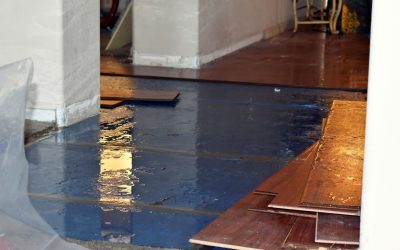
Small amounts of clean water can be managed with wiping, mopping, or a wet vacuum, but moving to proper commercial extraction machinery may be necessary for large amounts. It is louder when household equipment is in use than with a commercially designed system, and it also operates more slowly.
Stay away from walking through standing water if you think there are electrical hazards or contaminants in it. Water may cover up sharp objects or weakened subflooring underneath. But it is always better, if in doubt, to refer to trained professionals for water damage restoration in Meridian.
Step 6. Call a Professional Early
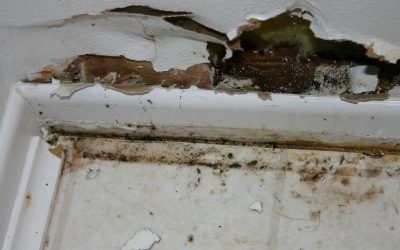
For many people, the most difficult part of water damage is actually removing the water. They don’t realize that hidden moisture comes from really big scenarios. Moisture can get into drywall, below the flooring, insulation, and even structural elements. These hidden areas of moisture persist long after the surfaces appear dry.
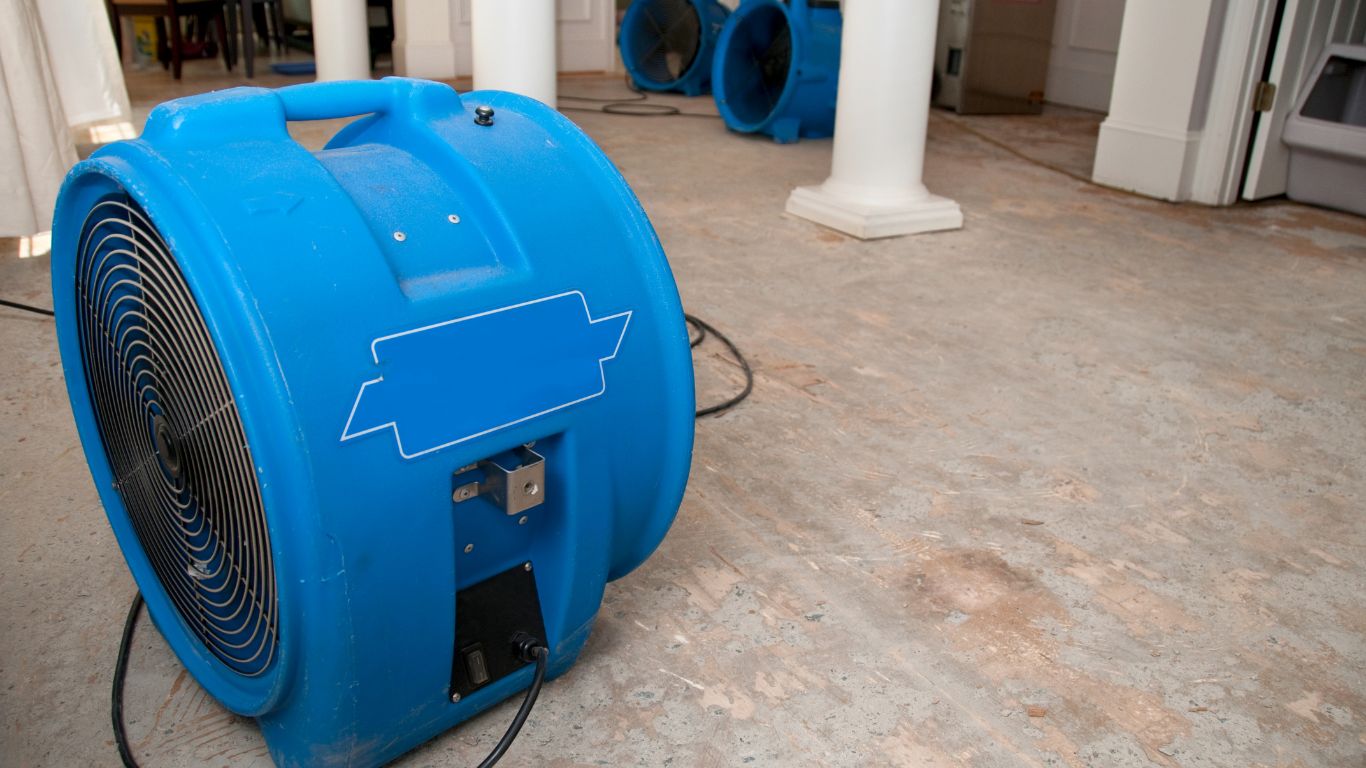
Professional water damage restoration in Meridian uses specialized moisture meters, thermal imaging cameras, commercial air movers, and dehumidifiers to locate and remove hidden moisture. At All Dry Services of Greater Boise, we don’t rely on guesswork. We monitor moisture levels throughout the drying process to help ensure your property dries completely and safely.
Common Mistakes After Water Damage
Property owners are making a grave mistake by procrastinating over calling for help. Water damage doesn’t hit a pause button covering your fate. The problem compounds as moisture seeps deeper into the building materials, centripetally. Mold is more likely to cause wood swelling and structural damage.
Another common blunder is the misuse of household fans. A fan can circulate air, but it can also channel water deep into walls or spread contamination if the water is not clean. A considerable proportion of those people inadvertently remove the ground or drywall before the damage is documented, which may cause problems with insurance claims.
One of the biggest misconceptions many people make is thinking that if the surfaces don’t feel wet, then everything is necessarily dry. But the moisture is hiding in places you can’t really see.
How All Dry Services of Greater Boise Helps Property Owners
At All Dry Services of Greater Boise, we start with a thorough inspection. We use professional equipment to find hidden water that might have potentially caused future issues if left undisturbed.
Once we understand what we are dealing with, it is our role to remove standing water, begin structural drying, set and monitor the humidity levels, and continue measuring the moisture throughout the restoration work. As contractors, we also like to keep communication clear with property owners so they know what we are doing and that each step is essential. It’s not that we just want to dry the property. It is our part to ensure that they have complete confidence in the recovery process.
Simple Ways to Reduce Future Water Damage
No home really gets to be totally safe from every sort of trouble, but taking preventive measures is a big step forward in reality. Every so often, look over the appliance hoses for any wear or fraying before they suddenly decide to give way, sort of. Also check the little area under the sinks for slow seepage and sort out any dripping taps, pronto.
Gutters keep rainwater runoff from clogging them. This is away from the foundation, which causes water backup near the roof. Inspection and maintenance of your roof mainly entail checking its condition after major storms. Keep trees cut as far away from the house as possible. Checking your water bill can help you catch hidden leaks before they cause harm.
Many homeowners also choose to install water leak detection devices near water heaters, washing machines, and sinks. These systems provide early warnings that can prevent major water losses.
Fast Action Makes Recovery Easier
Dealing with water damage can feel overwhelming, but if you get on the right path right away, the recovery ends up way more manageable. It kind of starts with making safety your first priority, so go ahead and turn off the water source, protect your belongings, and begin writing down what occurred.
When the pros roll in early, water damage restoration in Meridian often moves faster and more effectively-it even can cost less in many cases. At All Dry Services of Greater Boise, we get how stressful these situations can feel, and we’re committed to helping homeowners and business owners make sense of the whole process with clear communication, well-proven restoration techniques, and steady support along the way.
To stay current with us, please follow our Facebook and Instagram pages.