 All Dry Services of Boise

 45 Min Response Time
Safety Advantages of Structural Fire Damage Restoration in Boise, ID
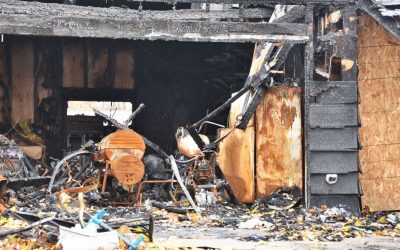
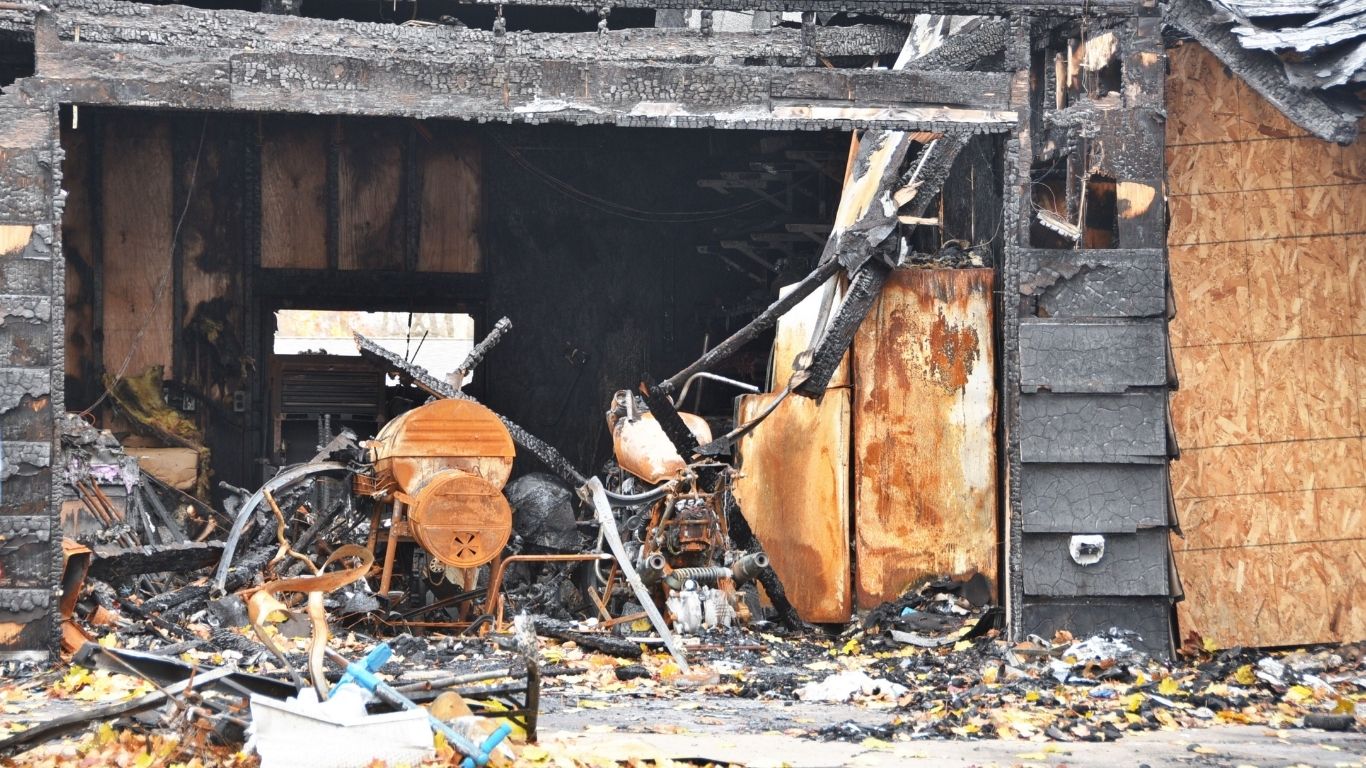
After a fire, most people notice the obvious damage first. Burned walls, smoke stains, broken windows, and damaged belongings can make the situation feel overwhelming. What you can’t see may matter just as much. Heat, flames, smoke, and firefighting water can weaken parts of a building that still look fine at first glance. That’s why fire damage restoration in Boise, ID involves more than cleaning up soot and replacing a few damaged items.
At All Dry Services of Greater Boise, we understand that safety comes first after a fire. Homeowners and business owners may want to get back inside and start cleaning right away, but rushing can create more problems. A careful inspection can uncover structural concerns and other hazards before they put people at risk.
How Fire Can Weaken a Building’s Structure
Fire produces intense heat that can affect many materials throughout a property. Wood framing, drywall, flooring, roofing materials, and structural connections may lose strength after exposure to high temperatures. You do not have to see flames licking a wall or a ceiling for the wall or ceiling to warm up and suffer.
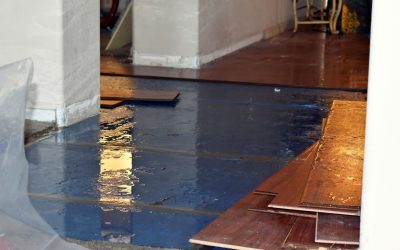
Firefighting efforts can add another layer of concern, particularly after large amounts of water are used. Large amounts of water can soak floors, walls, insulation, and framing. When water remains inside these materials, it can contribute to swelling, warping, and deterioration, especially if drying doesn’t begin quickly.
This combination makes fire damage restoration in Boise, ID a detailed process. Professionals need to look beyond the burned areas and consider how heat, smoke, and water affected the rest of the property.
Hidden Structural Hazards After a Fire
A few fire risks are hard to catch on a quick check. The ceiling might seem fine at first glance, but heat or water could already be in the layer above it. The floor may also seem solid, even if moisture is getting into the space underneath.
Some issues may be hidden inside the walls or ceiling. Smoke and soot can slip through tiny gaps and also travel via vents. Water can get into spots you cannot reach easily. You may need special tools just to check those areas.
Common areas that may need closer attention include:
- Walls and ceiling cavities
- Attics and roof structures
- Floor systems and subfloors
- Insulation
- Support beams and framing
- Areas around damaged plumbing or electrical components
That’s why property owners shouldn’t assume that a building is safe simply because the flames are gone.
Why Professional Structural Inspections Matter
A thorough inspection gives property owners a better understanding of what happened and what needs attention next. Restoration professionals can examine visible damage, look for signs of hidden moisture, and identify areas that require further evaluation.
Some structural concerns may require a qualified contractor, building inspector, or structural engineer. A good restoration team knows its job. It can also suggest extra specialists if needed.
At All Dry Services of Greater Boise, we prioritize communication throughout the restoration process. You should know which areas of your property need work, what damage was found, and why certain materials may need repair or removal. With those details, itis easier to see what happens next.
The Safety Benefits of Removing Damaged Materials
When materials are badly damaged, the area can be less safe while crews clean up. Loose drywall can fall. Weak floors can give way. Damaged insulation may not hold up. Broken debris can shift, too.
Removing materials that can no longer be used safely also gives crews better access to the spaces underneath. This can uncover trapped moisture and make cleaning, drying, and repair work easier.
Fire-damaged materials must be handled carefully. Bits left from the burn can still carry soot, ash, and other dirty residue. Clearing it up in a controlled way reduces what people breathe in and makes the site easier to manage.
How Smoke, Soot, and Water Create Additional Risks
The fire may end quickly, but its effects can continue, sometimes long after the flames are gone. Smoke particles can settle across surfaces throughout the property. Soot stains can be hard to lift. It gets worse when the residue sinks into porous stuff like fabric or drywall. Strong odors may also remain in furniture, walls, carpeting, and other porous materials, even when the space looks clean.
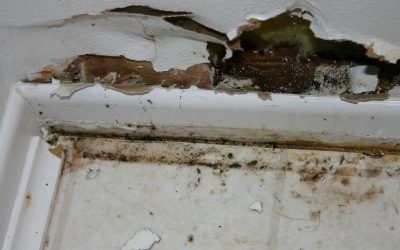
Water can still cause issues after the fire is already out. Even if everything looks dry, water used during firefighting can sit inside walls, under floors, or inside other building materials. If that dampness stays for a while, mold may start to grow. With more time, the mold can lead to further damage.
For that reason, fire damage restoration in Boise, ID may involve several types of work. Crews might remove debris, clean soot and smoke residue, treat odors, extract water, dry affected areas, and repair damaged materials.
How Structural Fire Damage Restoration Supports a Safer Recovery
Professional restoration starts by looking at the condition of the property before repairs begin. Crews check for areas that may be unsafe, materials that need attention, and damage that could cause problems later. Once those concerns are identified, they can secure the area, remove debris, clean affected surfaces, and deal with any water or moisture left behind.
Drying plays an important role when firefighting water enters the structure, since moisture can settle deeper than the surface. Restoration professionals use commercial equipment to remove moisture and monitor affected areas, while checking how the materials respond over time. This helps prevent a wet building from developing additional problems during recovery, especially in areas that may take longer to dry.
The process can also include several important steps, such as:
- Property stabilization
- Smoke and soot cleanup
- Water extraction
- Structural drying
- Odor treatment
- Removal of damaged materials
- Restoration and repair work
Each step helps move the property toward safe, normal use.
Why DIY Fire Damage Cleanup Can Be Risky
After a fire, it’s understandable to want to start cleaning immediately. However, fire-damaged buildings can contain hazards that aren’t obvious. Damaged electrical systems, unstable materials, sharp debris, soot, and hidden moisture can all create problems.
Even cleaning soot requires care. Scrubbing the wrong surface with the wrong product can spread residue or cause permanent staining. Moving through an unstable area can also put you in harm’s way.
If authorities have not cleared the property for entry, stay out and wait until you know it’s safe. Once you’re allowed inside, avoid damaged areas until you understand their condition, particularly where floors, walls, or ceilings appear weakened. Professional fire damage restoration in Boise, ID can help identify concerns before cleanup becomes another safety issue and clarify what needs attention first.
How All Dry Services of Greater Boise Helps With Fire Damage
At All Dry Services of Greater Boise, we know fire damage can quickly become overwhelming. We take time to look over the damage, explain what we see, and help property owners understand what may need attention as restoration moves forward.
We look beyond burned materials. Smoke, soot, water, odors, and hidden moisture can all affect recovery. By considering these issues together, we can help property owners understand what their property needs after a fire.
We also know that every situation differs, sometimes quite a bit. A small kitchen fire and a large structure fire won’t require the same restoration plan. That’s why careful assessment matters before deciding what happens next, so the work matches the property’s actual condition.
Steps Property Owners Can Take After a Fire
After a fire, safety comes before cleanup. Don’t enter the property until local authorities say it’s safe to do so. Once you can go inside, stay away from areas with visible structural damage, exposed wiring, or other signs that the space may be unsafe.
Take photos and videos of the damage if you can do so safely. Document damaged rooms, belongings, walls, ceilings, and flooring. These records may also help when you communicate with your insurance provider.
You don’t have to know everything at once. Getting over a fire takes time. If you rush through the cleanup, you may miss hidden damage or create safety issues. Go step by step and take your time so it feels more manageable.
A Safer Path Forward After Fire Damage
Fire damage restoration involves much more than making a property look clean again. Heat can weaken materials, smoke can spread throughout the building, and firefighting water can create additional moisture problems. Some of the most important damage may remain hidden until someone takes a closer look.
For homeowners and businesses, fire damage restoration in Boise, ID can help bring some order to what happens next. At All Dry Services of Greater Boise, we help property owners understand the damage, address safety concerns, and work through the restoration process without guessing what comes next.
To stay updated with us, please follow our Facebook and Instagram page.