 All Dry Services of Boise

 45 Min Response Time
Odor Removal After Water, Smoke, or Mold in Nampa, ID Proven Deodorization Methods
When you walk into your house after an event, it can smell strange. This could be from a leaking pipe, a small kitchen fire, or mold. The bad smell may mean more than you think. If you’re dealing with odor removal in Nampa, first identify the cause. Then use effective deodorization methods that fit the source for a fresh, healthy space.
Below is a practical, list-style guide to the deodorization approaches restoration pros use after water, smoke, or mold damage in Nampa, ID, plus what you can do right away and when to bring in help.
Why odors linger after water, smoke, or mold
Odors do not exist “in the air” for very long. Odor-forming molecules remain attached to surface areas and porous materials. As more time passes and the source remains, it will penetrate drywall, insulation, carpet pad, framing, and HVAC systems.
Common post-damage odor sources include:
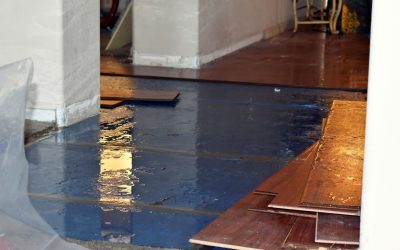
- Water damage: damp wood, wet drywall, soaked carpet pad, and hidden moisture that leads to musty smells.
- Mold: microbial volatile organic compounds (MVOCs) that create the classic musty odor, often strongest in enclosed areas.
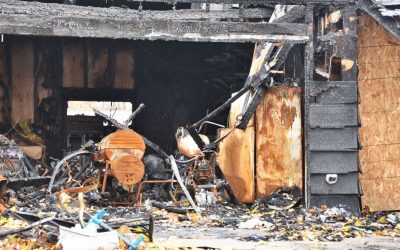
- Smoke damage: soot and smoke residue embedded in fabrics, ducts, and textured surfaces, producing sharp or stale odors.
- Sewage: bacteria and organic waste particles that can soak into flooring and subflooring, creating persistent foul smells.
Deodorization works best with the right restoration service. This includes water damage, smoke damage, mold removal, sewage cleanup, or fire damage. It isn’t just an “air freshening
Odor removal in Nampa: proven deodorization methods (and when each works best)
Some deodorizing methods will not work on all odors. These are the typical professional deodorizing methods and the uses and limitations associated with each one.
1) Moisture detection + targeted drying (the foundation for musty odors)
If you notice odors from leaks, flooding, or storms, begin your deodorization process. Determine any water leaks and clean the affected area.
Its uses:
- Musty smells after flood damage restoration or storm damage restoration
- Persistent damp odor after water damage restoration
- Odors that worsen when the HVAC runs or when doors are closed
It is “proven” because it is addressing the root cause. Leak testing and moisture mapping help identify wet materials hidden behind baseboards, beneath flooring, and within walls, where moisture persists long after the surface appears dry.
2) Source removal: cleaning, demolition, and disposal of unsalvageable materials
Sometimes the only true deodorizer may be removal. Odor may penetrate porous materials to the point that thorough cleaning fails to remove it completely.
Most commonly removed when needed:
- Carpet pad, heavily affected carpet, and some rugs
- Wet insulation and swollen drywall
- Charred materials after fire damage restoration
- Mold-contaminated porous items during mold removal & remediation
This step often feels disruptive, but it’s frequently the turning point between “it still smells” and “it finally feels normal again.”
3) HEPA air filtration (captures particles that carry odor)
Air filtration doesn’t “neutralize” odors, but it does reduce airborne particles that cause smells. This is especially helpful after smoke damage restoration or during mold cleanup.
Best for:
- Smoke and soot particulates after a fire
- Airborne mold spores during containment
- Dust and debris stirred up during demolition
It’s also a great addition for commercial restoration projects. In these spaces, odors spread quickly, especially in multi-room or open-plan layouts.
4) Deep cleaning of residues (smoke, soot, and greasy films)
The smell of smoke lingers, with residual soot on the walls, ceiling, cabinets, and contents. It does not have to be very thick to continue releasing odor, particularly during hot weather.
What “deep cleaning” usually targets:
- Walls and ceilings (including textured surfaces)
- Hard surfaces like counters, tile, and sealed wood
- Contents cleaning where appropriate (items that can be safely cleaned)
Deodorization is key in smoke and fire damage restoration. But if you don’t remove the residue first, it won’t last long.
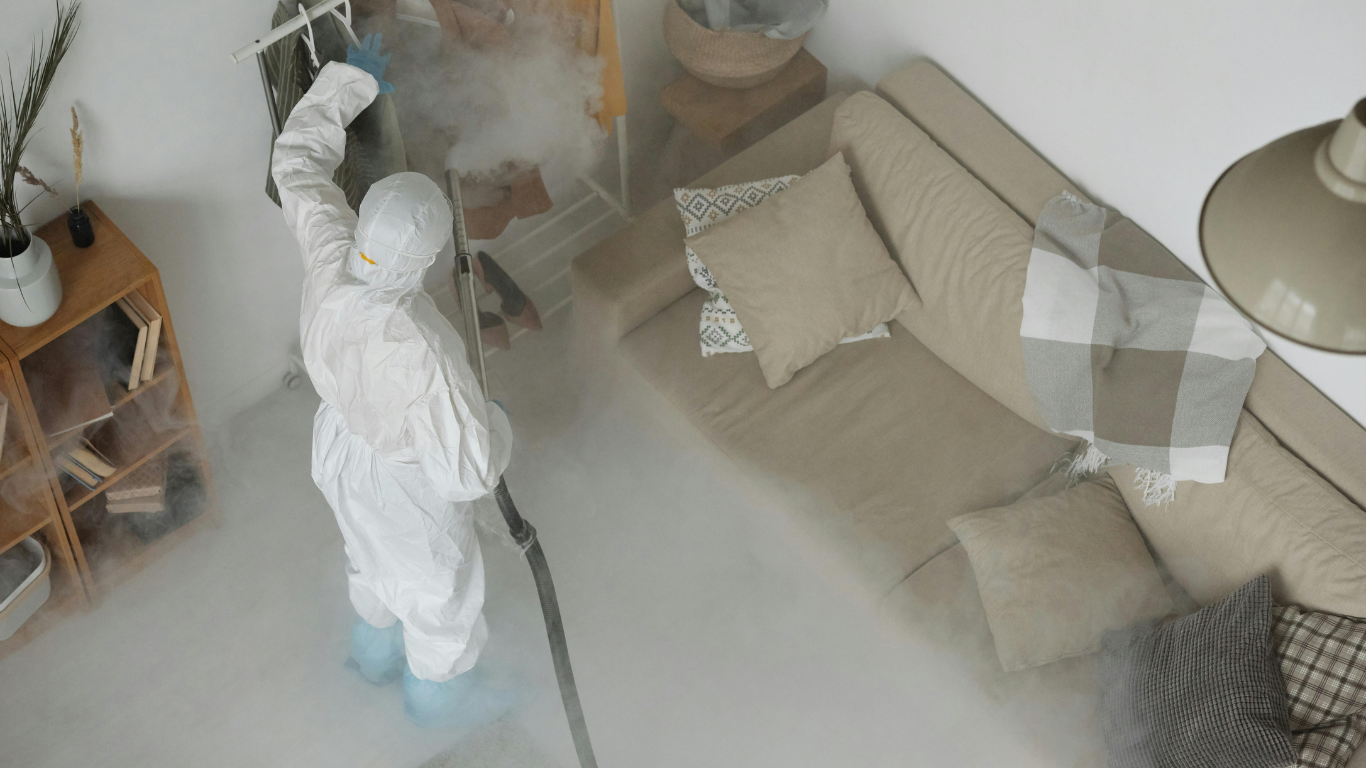
5) Thermal fogging (reaches into porous spaces)
Thermal fogging can help with smoke odors because the fog behaves similarly to smoke, traveling into cracks, fabric fibers, and porous materials.
Best for:
- Smoke odor in rooms with lots of soft goods and porous surfaces
- Odors that remain after cleaning but are clearly “in the structure.”
Important limitation: fogging is not a substitute for removing soot residue or fixing moisture problems. If the source remains, the odor often returns.
6) Ozone treatment (powerful, but situational)
Ozone may oxidize odor-causing compounds. It is frequently mentioned in the context of smoke odors and certain organic odors. Nevertheless, you should be very cautious with ozone.
Typically considered for:
- Stubborn smoke odor after cleaning and source removal
- Odors in unoccupied spaces where treatment can be controlled
Because ozone treatment requires strict safety protocols, it’s generally not a DIY step. It also won’t fix active mold growth or ongoing water intrusion; those require mold removal & remediation, as well as water damage restoration.
7) Hydroxyl generators (deodorize while spaces are in use)
Hydroxyl technology is often used for ongoing deodorization because it can run for longer periods and is commonly used when a property needs to remain operational, making it useful in some commercial restoration situations.
Best for:
- Gradual reduction of smoke odors after cleaning
- Odor control during longer restoration timelines
As with other methods, it works best when the source has already been addressed.
8) Odor sealing/encapsulation (when replacement isn’t feasible)
When odor has penetrated structural materials, a specialized sealing approach may be used after cleaning and drying. This can help lock in residual odor molecules so they don’t off-gas into the room.
Often considered after:
- Fire damage restoration where framing absorbed smoke
- Severe water damage where odors persist despite drying
Encapsulation should be the last stage, not the first, since coating the surface with moisture or contamination could lead to further complications.
Actionable steps you can take right away (before professional deodorization)
If you’re waiting for help or want to stop odors from worsening, a few quick actions can really help. The goal is to reduce moisture, eliminate visible contamination, and prevent odors from spreading in the home.
- Stop the source: Shut off water to the affected line if a leak is active. If you suspect hidden moisture, leak detection is key.
- Ventilate carefully: Open windows when outdoor conditions are dry. Avoid running the HVAC if you suspect smoke residue or mold in the ducts.
- Remove wet items quickly: Pull wet rugs, towels, and contents out of the area to slow microbial growth.
- Don’t mask odors with heavy fragrances: They can combine with smoke/musty odors and make the air feel worse, without solving the cause.
- Avoid disturbing visible mold: Scrubbing can spread spores. Mold removal & remediation typically uses containment and HEPA filtration.
- After sewage backup, limit exposure: Keep people and pets away and prioritize professional sewage cleanup, since contamination can soak into materials.
These steps won’t replace professional odor removal, but they can reduce how deeply odors penetrate, especially after flood damage restoration or small fires.
When odor means you need restoration, not just deodorization
At other times, the lingering odor may be all the proof of lasting damage there is. If you come across:
- Musty odor that returns after cleaning (often indicates moisture or mold presence)
- Smoke smell that intensifies with heat (residue in porous materials or HVAC pathways)
- Odor localized near walls or floors (wet drywall, insulation, or subfloor)
- Strong, sour, or sewage-like smells (requires sewage cleanup and disinfection)
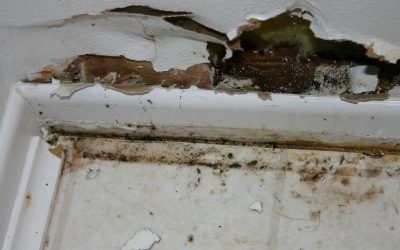
- New staining or bubbling paint (ongoing water intrusion needing water damage restoration)
Storms or plumbing problems may also cause foul smells in the Nampa home, indicating that moisture has entered unseen parts of the house. This is where water and flood damage restoration comes into play.
What to expect from a professional odor removal visit
Effective odor removal usually involves a series of steps rather than a single quick spray. Every situation is unique, but this sequence is key.
- Inspection and identification of the odor source (including moisture checks when relevant)
- Plan selection based on whether the odor is from water, smoke, mold, sewage, or a combination
- Restoration work as needed (water damage restoration, smoke damage restoration, mold removal & remediation, fire damage restoration, storm damage restoration, sewage cleanup)
- Deodorization using the method(s) that match the materials and severity
- Post-treatment confirmation to ensure the odor doesn’t rebound once the space is closed up
Commercial restoration is different in some ways. It needs larger air volumes and shared ventilation. Continuous occupancy is also common. Because of this, deodorization might take longer during restoration.
Odors from water, smoke, or mold damage can be annoying. However, you can fix them by addressing the underlying cause rather than just masking the smell. You get the best results by pairing the right deodorization method with the right restoration approach. This means drying after a leak. It could also mean cleaning smoke residue after a fire. Or it might involve containing mold during removal and remediation.
With help from All Dry Services of Boise, that “something’s not right” smell can be replaced by a home that simply smells clean again. Contact us today for professional odor removal and restoration services.
To stay current with us, please follow our Facebook and Instagram pages.