All Dry Services of Florida Gulf Coast


 60 Min Response Time
Health Risks and Safe Cleanup Procedures for Sewage Cleanup in Punta Gorda, FL
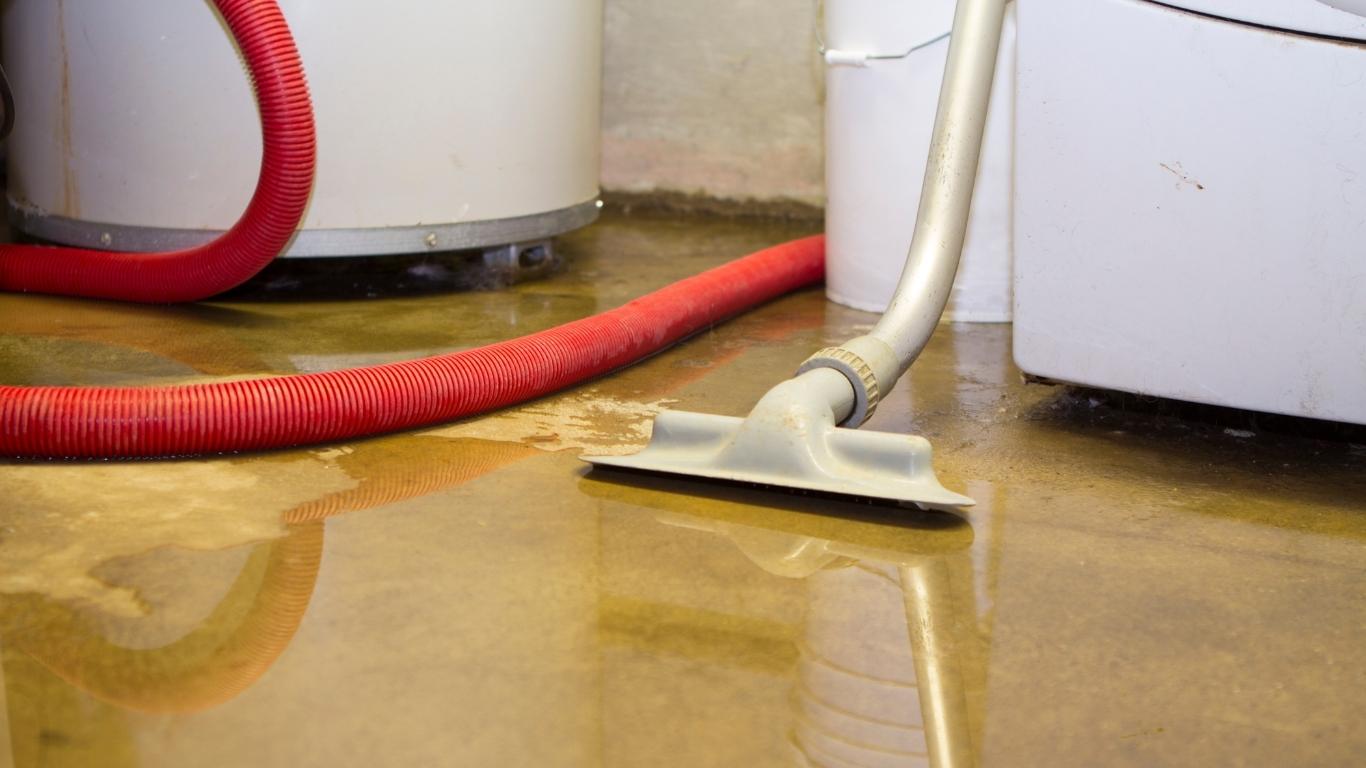
When sewage backs up into your home, it’s a lot to deal with, and it happens fast. Sewage cleanup of Punta Gorda, FL isn’t just about drying things out. It’s a health situation that needs quick, careful action. Whether a heavy storm overloaded your drains or a plumbing problem got out of hand, what you do in the first few hours makes a real difference.
Why Sewage Is Different from Regular Water Damage
Not all water damage works the same way. A leaky supply line is one thing. Sewage is another story entirely.
Sewage-contaminated water, often called “Category 3” water in the restoration industry, can carry bacteria, viruses, and pathogens that are genuinely harmful. You can’t just mop it up and call it a day.
A few ways exposure can happen:
Direct contact with contaminated water or materials is the most obvious risk. But breathing in aerosols stirred up during cleanup is just as real a concern.
Cross-contamination is another one to watch for, especially if dirty water reaches your HVAC returns and gets pulled through the duct system.
Even after the standing water has gone, contamination can persist in porous materials like drywall, carpet padding, baseboards, and subfloor. That’s why proper sewage cleanup includes disinfection and drying, not just water removal.
What Makes Gulf Coast Sewage Cleanup More Complicated
Punta Gorda’s Gulf Coast climate adds a few extra challenges.
Storm Surge and Heavy Rain
When a storm becomes great, it is not simply about getting windy. It can then seriously overwhelm any of the already compromised drainage systems, as well as slap the maintenance hole covers right off and intrude into homes that have never experienced flooding earlier.
If flood waters mix with sewage, the contamination spreads further, and cleanup is much more complicated.
Heat and Humidity Work Against You
High temperatures can make bacteria grow faster and also promote the development of odors. High humidity can lead to incomplete drying of structural materials, inviting secondary damage such as buckling floors, swollen wood, or mold. It’s a challenging subproblem often requiring high-tech equipment for its resolution.
What to Do Right Away
Here’s where to focus in that first hour:
- Keep people and pets out of the area. Close doors and limit foot traffic. Every step spreads contamination further.
- Stop the source if it’s safe to do so. If a fixture is still running, shut it off. If outlets or appliances are near the water, cut power at the breaker, but only if you can do it without stepping into the affected area.
- Ventilate, but skip the HVAC. Open windows if the weather cooperates. Running central air can pull contaminated air through your duct system and spread it to clean parts of the house.
- Document everything before you touch it. Photos and short videos give your insurance company a clear picture of the damage and help restoration professionals understand what they’re working with.
Safe Cleanup and What to Avoid
A small, contained spill might be something you can manage while you wait for help. But if sewage soaked into carpet, drywall, or spread beyond a limited area, professional sewage cleanup is usually the right call.
If you’re handling a minor situation yourself, gear up properly. Waterproof gloves, rubber boots, eye protection, and at least an N95 respirator are the basics.
Remove any porous items you can’t fully clean, then apply an appropriate disinfectant and let it sit for the required dwell time. Spraying and wiping quickly isn’t enough.
A few things to avoid:
- Don’t use household fans before you’ve cleaned. Fans move contaminated air and particles onto nearby surfaces and into other rooms.
- Don’t mix cleaning chemicals. Mixing bleach and ammonia creates toxic fumes.
- Don’t assume the smell is the whole problem. Odor is a sign of contamination, not a measurement of how much is there.
When to Call a Professional
In reality, sewage situations along the Punta Gorda, FL are usually more difficult than they seem. Water, caused by moisture of what was imperceptible under flooring, behind baseboards, and into wall cavities, is often capable of causing odors that persist in a structure or a sinking-stretching manifestation of mold unless captured properly.
Consider calling in a professional if any of these apply:
- Sewage touched carpet, padding, drywall, insulation, or subfloor.
- The affected area is larger than a small bathroom.
- The source keeps coming back, which can point to a deeper issue.
- The smell sticks around even after cleaning.
- The event happened during or right after a storm.
At All Dry Services of Punta Gorda, FL , teams don’t just pull up the standing water and leave. The process involves controlling the removal of non-salvageable materials, thoroughly disinfecting, and drying the structure with commercial equipment. That level of dryness isn’t achievable with store-bought fans alone.
Even when the visible water is gone, damp materials inside walls and under floors can trigger mold growth within 24 to 48 hours.
To lower the risk, use real dehumidification equipment rather than just cracking windows. Remove materials that you can’t fully dry. And watch the space carefully over the next several days for musty smells or new staining.
If mold shows up, painting over it or spraying a disinfectant won’t solve anything. Proper mold remediation addresses the moisture source at the root.
Getting Your Home Back to Normal
After removing, cleaning, disinfecting, and drying the contaminated materials, the goal is to confirm that the space is genuinely safe to use again. That means checking for residual moisture, ensuring there are no hidden odor sources, and looking for any structural damage that might not be obvious at first glance.
Those damp ceilings, bubbling paint, and soft spots in the floor could all be signs of moisture entering through areas beyond its original location, should this sewage event have occurred during a storm.
Sewage cleanup in Florida Gulf Coast doesn’t have to become a long-term problem. Treat it like the health event it is, act quickly, and reach out to a restoration company All Dry Services of Punta Gorda, FL when the situation calls for more than a DIY fix.
To stay updated with us, please follow our Facebook and Instagram page.