All Dry Services of Florida Gulf Coast


 60 Min Response Time
Hire Fire Damage Restoration Experts in Cape Coral, FL
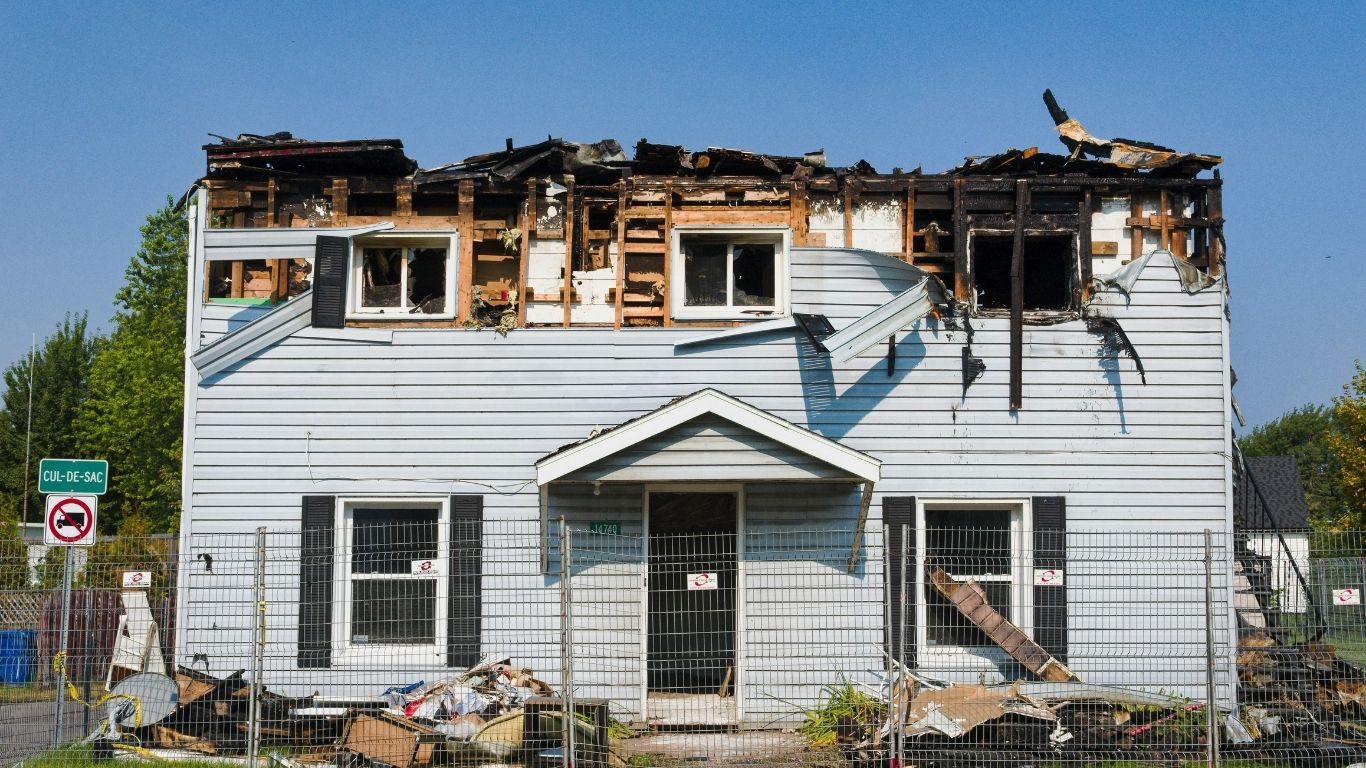
A fire can change everything in minutes. Even after the flames are out, homeowners may face smoke, soot, water damage, odors, and damaged materials. That’s why fire damage restoration in Cape Coral, FL involves much more than cleaning up what you can see. Professional restoration helps identify hidden damage and gives you a clear path toward getting your home or business back to normal.
At All Dry Services of Florida Gulf Coast, we understand that fire damage can feel overwhelming. You may not know what can be cleaned, what needs repair, or where to start. Having experienced restoration professionals assess the property can take some of that uncertainty off your shoulders.
Why Fire Damage Goes Beyond What You Can See
Flames usually draw the most attention, but fire creates several types of damage at once. Smoke can travel through rooms, soot can settle on surfaces, and firefighting efforts can leave behind water.
Smoke and Soot Can Spread Throughout the Property
Smoke doesn’t stay in the room where the fire started. It can move through doorways, cracks, vents, and other openings. Fine soot particles may settle on walls, ceilings, furniture, flooring, and personal belongings.
You might find soot in areas that look far removed from the original fire. That’s one reason fire damage restoration in Cape Coral, FL requires a full property assessment instead of focusing only on the area where flames caused visible damage.
Water Can Create Additional Damage
Firefighters need water to put out fires, and that water can create another restoration challenge. Wet drywall, flooring, insulation, and other materials may develop additional problems if they don’t dry properly.
A restoration team can assess moisture levels and determine which areas need extraction and drying.
Lingering Odors Can Be Difficult to Remove
Smoke smell can linger, even after visible residue disappears. Porous materials such as carpets, upholstery, curtains, and some building materials can absorb smoke particles.
Air fresheners may cover the smell temporarily, but effective deodorization focuses on the source.
Common Types of Fire Damage in Cape Coral Homes
Fire damage can happen for many reasons, and each situation creates a different cleanup process.
Kitchen and Electrical Fires
Cooking accidents and electrical problems can cause fires that damage a limited area while still spreading smoke throughout the property.
A small kitchen fire, for example, might leave cabinets and nearby walls covered in soot while smoke travels into adjoining rooms.
Candle, Fireplace, and Heating Fires
Some common home items can turn into fire risks. Candles, fireplaces, heaters, and other heat sources can cause unexpected damage when something goes wrong.
Even when a fire remains relatively contained, smoke and odors may affect areas outside the original fire zone.
Storm-Related Electrical Damage
Severe weather can damage electrical systems and create additional risks for properties. Cape Coral homeowners also deal with heavy rain and strong storms, which can add water damage to an already difficult restoration situation.
What Fire Damage Restoration Experts Actually Do
Professional restoration involves several stages. The exact process depends on the fire’s size and the type of damage.
Assessing the Property
The first step is to assess the entire property. Professionals check for structural concerns, smoke and soot contamination, water damage, and affected belongings.
This assessment helps determine what needs immediate attention and what can wait until later in the restoration process.
Securing the Property
Fire can leave windows, doors, roofs, and other areas vulnerable. Depending on the situation, professionals may recommend temporary measures to protect the property from additional weather exposure or unauthorized entry.
Removing Water and Drying Affected Areas
If any firefighting work leaves behind standing water or soaked materials, restoration professionals can use extraction equipment and drying systems to remove excess moisture.
Moisture monitoring helps identify areas that still need attention, including spaces that may not look wet on the surface.
Cleaning Smoke and Soot
Soot doesn’t respond the same way to every cleaning method. Some residues contain oily particles that can smear if someone uses the wrong technique.
Professionals assess the residue type and affected material before choosing a cleaning method. This helps protect surfaces while removing as much contamination as possible.
Deodorizing the Property
Once the smoke smell is handled, deodorization can help tackle lingering odors. The goal isn’t to cover the smell with a strong fragrance. It involves addressing odor sources so the property feels cleaner and more comfortable.
Why Professional Fire Damage Restoration Matters
Specialized Equipment Makes a Difference
Household fans and cleaning products have limits. Restoration professionals use equipment designed for water extraction, structural drying, measuring moisture levels, cleaning, and odor control.
These tools help identify problems that homeowners may miss during a quick inspection.
Experience Helps Identify Hidden Problems
Fire damage doesn’t always follow an obvious path. Smoke may travel through areas that appear untouched, while water may settle underneath flooring or inside walls.
Experience helps restoration professionals know where to look and what signs to watch for.
Timely Action Can Limit Further Damage
The sooner you understand the full extent of the damage, the sooner you can make informed decisions. Prompt assessment can help identify moisture, soot, and odor problems before they create additional complications.
What to Do After a Fire
Safety should always come first. Follow instructions from fire officials and don’t enter areas that they consider unsafe.
Once it’s safe to do so, you can take a few practical steps:
- Document visible damage with photos.
- Keep records of damaged belongings.
- Avoid aggressively scrubbing soot.
- Don’t use electrical equipment around standing water.
- Contact your insurance provider as appropriate.
- Arrange for a professional assessment before beginning major cleanup.
Trying to clean everything immediately can sometimes spread soot or cause additional damage.
How All Dry Services of Florida Gulf Coast Helps
At All Dry Services of Florida Gulf Coast, we know homeowners have plenty of questions after a fire. Our approach starts with understanding what happened and assessing the property’s condition.
We look at the visible damage, but we also consider smoke movement, soot, moisture, odors, and affected materials. From there, we can help determine which restoration steps make sense for the situation.
Not every fire is handled the same way. A contained kitchen fire may need a different process than extensive fire damage involving several rooms. We focus on the property’s actual condition rather than treating every situation the same way.
How Long Does Fire Damage Restoration Take?
Every fire does not follow one clear schedule. The process can take days or longer depending on several factors, including the size of the affected area, the amount of smoke and soot, water damage, structural repairs, and the materials involved.
A small contained fire may require limited cleaning and repairs. A larger fire can involve extensive restoration and rebuilding.
A quick assessment helps establish what needs to happen and gives property owners a clearer view of the road ahead.
Protecting Your Cape Coral Property After Fire Damage
Restoration isn’t simply about making a property look clean again. It should address the different effects a fire can leave behind.
That may include smoke residue, soot, water, damaged materials, and lingering odors. Cape Coral’s warm and humid climate also makes proper moisture control especially important when firefighting water enters the property.
At All Dry Services of Florida Gulf Coast, we understand that the goal is to help make the property comfortable and functional again.
Getting Your Home Back After a Fire
Fire damage can leave you wondering what comes next, but you don’t have to figure out every step alone. Professional fire damage restoration in Cape Coral, FL can address the visible and hidden effects of a fire and give you a clearer path to recovery.
From smoke and soot cleanup to water removal, drying, deodorization, and repairs, the right restoration process looks at the entire property.
At All Dry Services of Florida Gulf Coast, we aim to make that process easier to understand and manage. When the immediate shock wears off, a practical restoration plan can help you move forward.
To stay updated with us, please follow our Facebook and Instagram page.