All Dry Services of Florida Gulf Coast

 60 Min Response Time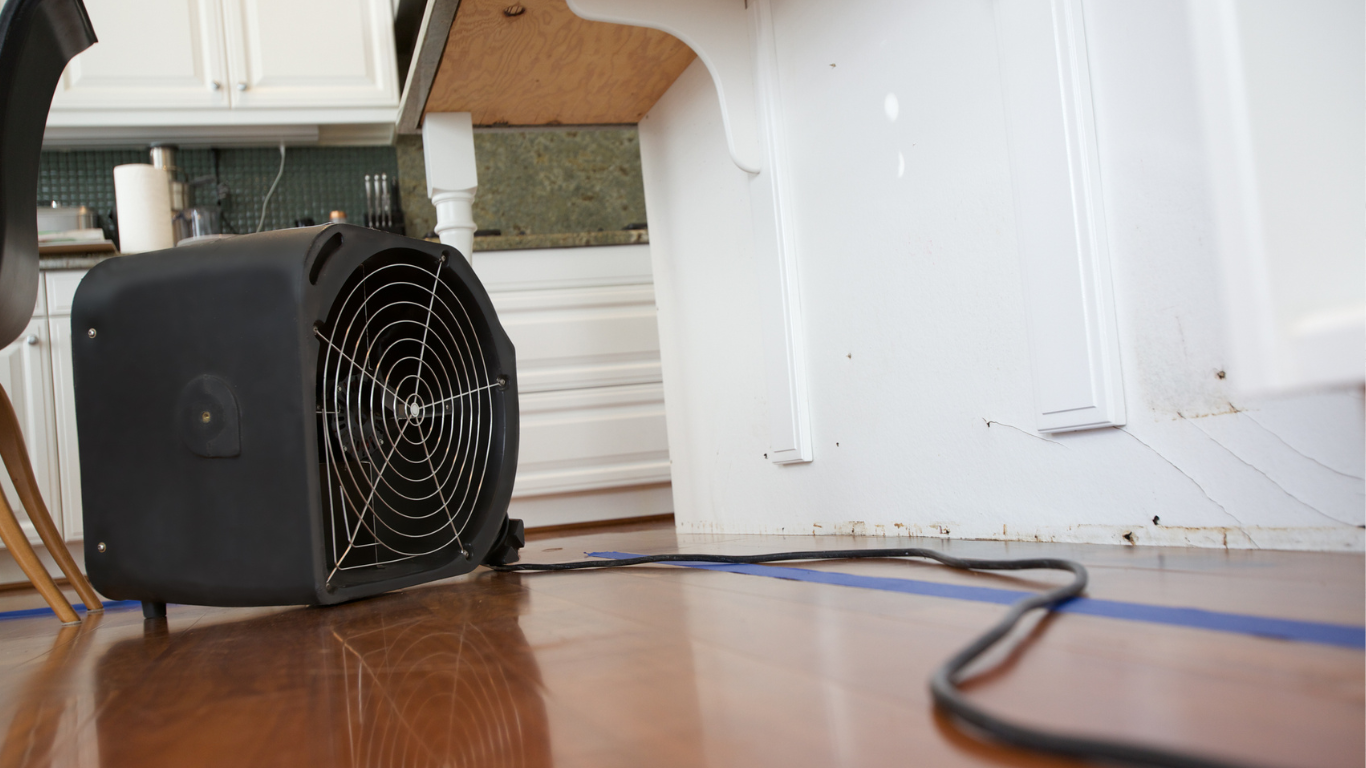
Florida Gulf Coast Water Damage Restoration Steps to Take in the First 24 Hours
When water gets into your home or business on the Florida Gulf Coast, the clock starts ticking. In our heat and humidity, moisture can spread fast, damage materials you can’t see, and create the perfect conditions for mold.
When you experience flooding, a broken pipe, or storm-related leaks, the first 24 hours are the most important. This guide will help you know what to do first, what to avoid, and when to get help with Florida Gulf Coast water damage restoration. This way, you can minimize damage and keep yourself safe.
Why the First 24 Hours Are So Critical
Water will not remain in one location because it prefers to move through different surfaces. The material moves through drywall and under flooring and absorbs into insulation. The Gulf Coast environment allows warm air to enhance microbial growth and produce odors while wet building materials begin to deteriorate.
Among some of the common problems faced on the first day are:
- Uncertainty regarding the safety of remaining indoors
- Struggling to dry the surfaces while water continues to spread beneath the surface
- Difficulty determining whether the water is “clean water” or something else
- Worry about mold if drying isn’t immediate
That’s why the first 24 hours are so simple in goal: stop the source, make the space safe, remove as much water as possible, and begin drying the structure, not just the visible puddles.
Florida Gulf Coast Water Damage Restoration: Steps to Take in the First 24 Hours
Use this timeline as a practical checklist. Not every situation is the same. These steps are key for homeowners and property managers to take early.
0–2 Hours: Stop the Water and Protect People First
1. Shut off the water source if you can. If the damage is from plumbing, turn off the main water valve. If it’s from an appliance, shut off the supply line. If you suspect a plumbing issue, a pro can find the leak. This way, you won’t have to tear into walls.
2. Shut off electricity at locations that have been affected. If there is any standing water near an outlet, light fixture, or electrical panel, do not enter the area until a professional turns off the power.
3. What kind of water? This can help you clean properly and stay safe:
- Fresh water: From water tab (still need to dry fast)
- Gray water: dishwashers, washing machines, or overflowing sinks.
- Black water: sewage backups or floodwater (highly contaminated)
Treat wastewater or other forms of contaminated water as a human health risk and opt for professional services for sewer backup cleanup or flood damage restoration.
2–6 Hours: Document, Remove Water, Start Ventilation
4. Document the damages. Before you move too much, document the affected rooms, damaged belongings, and the source of the water. Capture water lines on walls and any wet floors. This helps you keep a clear record of what happened.
5. Safely remove standing water. If it’s safe to do so and the water is clean, you can start with towels, mops, or a wet/dry vacuum. Don’t Use Household Vacuums. Professional water damage restoration teams use powerful tools for big losses. They quickly draw water from both carpet and padding, as well as hard-to-reach areas. This is way faster than DIY methods.
6. Increase the airflow, but do it wisely. Open windows when the outside relative humidity is lower than the inside relative humidity (not necessarily in the Gulf region). Use fans to blow over wet surfaces and turn on the air conditioner if needed. Get the dehumidifier on as soon as possible.
Important: If the water source is a storm or flood, don’t assume outside air will dry things out. In many Florida conditions, it can slow drying by adding moisture back into the space.
6–12 Hours: Prevent Secondary Damage
7. Move as much as possible to a dry location. Lift chair legs from wet carpets by placing small pieces of wood or aluminum foil beneath them. Take out any rugs that have water beneath them. This is done to prevent stains, warping, and moisture exposure.
8. Don’t trap moisture. Plastic should not be used to cover wet floors or walls until a restoration professional gives permission. The presence of trapped moisture leads to more severe odor problems and increased microbial proliferation.
9. Watch for hidden water paths. Water often spreads:
- Behind baseboards and under tile
- Into drywall from the bottom up
- Under floating floors and laminate
- Into cabinets and toe-kicks
If there is any sign of swelling, bubbling, or soft drywall, water has likely seeped into the building. This is where drying and professional inspection come into play.
12–24 Hours: Decide What Needs Professional Help (Most Cases Do)
10. Check for signs you need immediate restoration. Call for help quickly if you notice any of the following:
- Water soaked into drywall, insulation, or ceilings
- Wet carpet padding (it holds water like a sponge)
- Any sewage smell, backup, or toilet overflow that spreads beyond the bowl
- Storm intrusion through the roof, windows, or doors
- Water is spreading to multiple rooms
For properties impacted by hurricanes, heavy rain, or wind-driven water, storm damage restoration and commercial restoration services can help address both the water impact and the operational disruption that comes with it.
11. Quickly remove odors. A musty smell can develop right away, especially if moisture gets into the padding, drywall, or cabinetry. The first line of defense is rapid drying, but persistent odors may require the help of odor-removal professionals.
12. Get ahead of mold growth. Mold doesn’t necessarily wait for days before it starts growing. In areas where moisture levels are high, mold may start growing sooner than you expect if materials remain wet. If there is major water damage or you’re unable to dry the structure thoroughly, mold remediation may be required.
Common Mistakes That Make Water Damage Worse
In times of stress, everyone gets rushed. One or two mistakes could make your mess bigger than you thought.
By relying on only drying the floor at the surface level. The floor may seem dry, but there is water under it that causes swelling and odor.
Putting off because “it’s not that much water.” Even a small leak can saturate a wall cavity or run under flooring. Leak detection and moisture checks may help you avoid missed damage if you are unsure of where the water traveled.
Using the wrong equipment. Even box fans and windows won’t always do the job in Florida’s humidity. In professional restoration work, it is important to maintain moisture levels.
Ignoring contaminated water. Exposure to floodwater and sewage requires specialized handling. DIY cleanup can create health risks and spread contamination to other areas.
Action Plan: A Simple 24-Hour Checklist
For a fast solution, make sure to follow the steps below:
- Cut off the supply of water and electricity to any area that is affected by water
- Determine whether the water is clear, gray, or flood/wastewater
- Photograph and note any damage
- Get rid of any standing water and begin drying right away
- Rearrange objects from the damp floors and avoid spreading
- Seek out expert help to deal with water damage if it has reached building components or several rooms
- If you need flood restoration, sewage cleanup, or storm restoration services, escalate immediately.
Water damage can feel overwhelming, but you can make the biggest difference in the first day. By focusing on safety, halting the source and thoroughly drying the structure, you cut down the risk of expensive repairs, persistent odors and long-term mold issues. If the damage is more than just a minor surface spill, call for professional help early is usually the quickest route back to a clean, dry, livable space.
To stay updated with us, please follow our Facebook and Instagram page.