 All Dry Services of East Tennessee

 60 Min Response Time

Before, During, and After a Winter Storm in Knoxville & East Tennessee
The winter storms that affect Knoxville and East Tennessee bring more than snow. Freezing rain and ice, together with heavy snow, create dangerous conditions that lead to property damage through frozen pipes, roof leaks, and water intrusion. Homeowners face their biggest challenge during winter storms because they must deal with concealed damage, including leaks. The solution to this problem requires the use of leak detection technology. You can avoid significant damage by finding leaks early. The guide shows you how to safeguard your property from winter storms in East Tennessee before, during, and after the storm.
Why Winter Storm Preparation Matters in Knoxville & East Tennessee
Local Weather Challenges
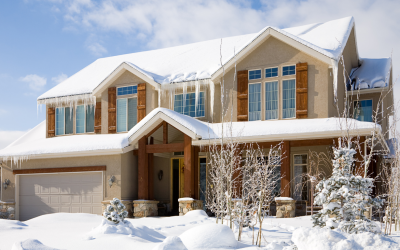
The winter season brings different weather conditions to Knoxville and East Tennessee. The area receives less snowfall than northern regions, yet experiences frequent freezing rain, ice storms, and heavy snowfall. The conditions cause damage to your home, affecting your roof, plumbing, and foundation. Snowfall, combined with freezing temperatures and ice, creates unsafe conditions that lead to ice dams forming on roofs and frozen pipes, which can cause subsequent water damage. The most effective way to prevent leaks from worsening is to detect them early.
Common Risks After a Winter Storm
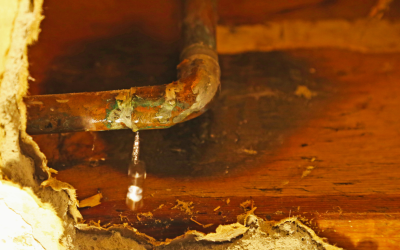
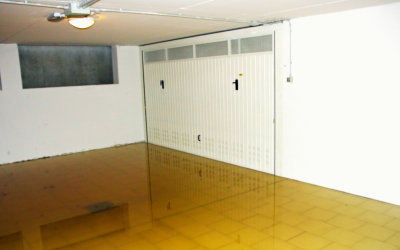
When snow and ice build up, water can back up and seep into areas where it shouldn’t. Ice dams pose a significant problem because they prevent water from draining off the roof, leading to attic leaks. The second danger arises from frozen pipes, which can burst when the water inside them freezes and expands. Melting snow creates the potential for water to flow into both basements and crawl spaces. Leak detection services are essential for identifying hidden issues before they cause significant damage to your home.
Before the Storm: Steps to Prepare Your Home
Inspect Your Roof and Gutters
Start by inspecting your roof for any issues. Look for missing shingles, damaged flashing, and areas where water could get trapped. Ice dams are a common problem after a winter storm, so make sure your gutters are clean and free of debris to allow proper drainage. If there are cracks or damage to your roof, getting them repaired before the storm hits will save you a lot of trouble later. Leak detection services can help identify areas that may already have moisture damage, so you can address them before they get worse.
Protect Your Plumbing
Homeowners experience frozen pipes as their most frequent winter storm problem. Frozen pipes in basements, crawl spaces, and areas where pipes run outside buildings are at high risk of freezing. These pipes should be insulated with foam or pipe insulation to prevent freezing during extreme cold weather. Homeowners need to keep their heating system running at a constant low temperature while away to prevent pipes from freezing. The implementation of leak detection technology enables the detection of current leaks and plumbing system failures, allowing for timely system shutdowns that avoid flooding emergencies.
Seal Your Home and Add Insulation
Sealing cracks around doors and windows, and at other locations where cold air enters your home, is the primary method for maintaining indoor warmth while preventing water damage. Weatherstripping and caulking should be used to seal all gaps while adding insulation in your attic and basement. This will not only help keep your home warm but also reduce the chances of frozen pipes. By preparing your home in advance, you can minimize the risk of water intrusion and costly repairs.
Prepare Emergency Supplies
Essentials should be available in your home during power outages. You need to buy flashlights, batteries, blankets, nonperishable food, and water supplies. The generator must be in proper working order before you operate it in accordance with safety procedures in outdoor environments. You need to keep additional warm clothing accessible at all times. Indoor temperature control becomes essential during power outages to prevent pipe freezing and water damage. Storm protection requires leak detection systems that help you identify minor leaks before they become significant problems.
During the Storm: Monitoring and Immediate Actions
Keep Your Home Warm
During the storm, it’s essential to keep your home at a consistent temperature. Avoid turning the heat too low, especially in areas where pipes are exposed. Open the cabinet doors under your sinks to allow warm air to circulate your plumbing. If you notice any strange sounds from your pipes, such as gurgling or water running when no one is using them, it could be a sign of a frozen pipe. Leak detection can help identify hidden leaks caused by freezing pipes before they turn into floods.
Watch for Early Signs of Damage
Your home interior requires monitoring during the storm conditions that exist outside. Water stains and dampness on ceilings and walls should be checked, as they can indicate roof leaks. Listen for dripping water, as it may indicate plumbing problems or ice-dam leaks. The early signs that you observe need to be recorded because they help you solve upcoming problems before they develop into significant issues.
Manage Snow and Ice Accumulation
If snow begins to accumulate on your roof, it’s essential to remove it as soon as possible to prevent ice dams from forming. Use a roof rake to clear snow from the roof edges, but avoid climbing onto the roof during the storm. Ice dams create a problem because they force water to back up, which then seeps under shingles and causes roof leaks. You should start snow and ice removal work right away to help reduce damage to your property. You should reach out to a professional whenever you experience any problems, as they can help with leak detection and repairs.
Handle Power Outages Safely
The generator must be operated outdoors, away from windows and ventilation systems, during power outages. The home needs to be kept at the highest possible temperature to prevent pipes from freezing. The plumbing system needs to be inspected for signs of freezing after the power outage extends beyond its initial period. The cold weather requires the use of leak detection services to identify all hidden leaks.
After the Storm: Inspection and Recovery
Inspect for Damage
The storm will pass first before you start checking for damage. You should examine your ceilings and walls for water stains and dampness, as these signs can indicate roof or plumbing leaks. You need to check your basement and crawlspace for any signs of water that has entered your home. You should take immediate action to prevent any further damage once you discover these problems. The leak detection services will help you locate concealed leaks behind your walls and beneath your floors, which can persist until you resolve them.
Document Damage for Insurance Claims
The process requires photographers to take pictures of all damage, which will be used for insurance documentation. Documenting damage supports claims processing while ensuring that all issues receive proper treatment. The service provides early leak detection, enabling the identification of the hidden problems that require repair.
Dry and Repair Quickly
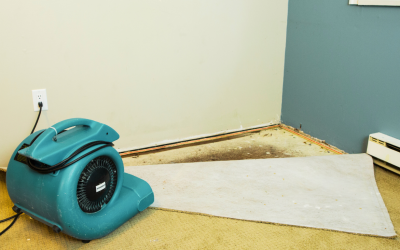
Water damage cannot be delayed because it requires immediate action from you. The moisture creates an environment that increases the likelihood of mold growth by the moment. Begin drying the affected areas immediately using fans, dehumidifiers, and professional drying equipment. The speed of your drying process will determine how much mold growth you will experience. All Dry Services of East Tennessee provides water extraction, drying, and leak detection services to help you restore your home quickly.
How All Dry Services of East Tennessee Can Help
All Dry Services of East Tennessee provides three services, which include leak detection, water removal, and mold remediation, to assist you in recovering from winter storm damage. Our team assists with three tasks: leak detection, home drying, and repair of damage caused by frozen pipes, roof leaks, and water intrusion. We know how difficult winter weather can be for Knoxville and East Tennessee residents, so we help them recover from winter storms.
To stay current with us, please follow our Facebook and LinkedIn pages.