All Dry Services of Anderson, Clemson, & Greenville

 60 Min Response Time
Water damage is a homeowner’s nightmare, and it’s far more common than you think. From a sneaky drip to severe flooding, water finds countless ways to damage your property. Knowing the primary culprits behind this costly problem is your first line of defense. At All Dry Services of Anderson, Clemson, & Greenville, we’ve battled every type of water disaster and seen how terrible the aftermath can be. Here are the top three ways water typically invades and devastates homes in our area.
1. Plumbing Leaks and Failures
This is a huge one. Your home’s plumbing system is a complex network, and when it fails, water can pour out quickly and cause extensive, immediate damage.
-
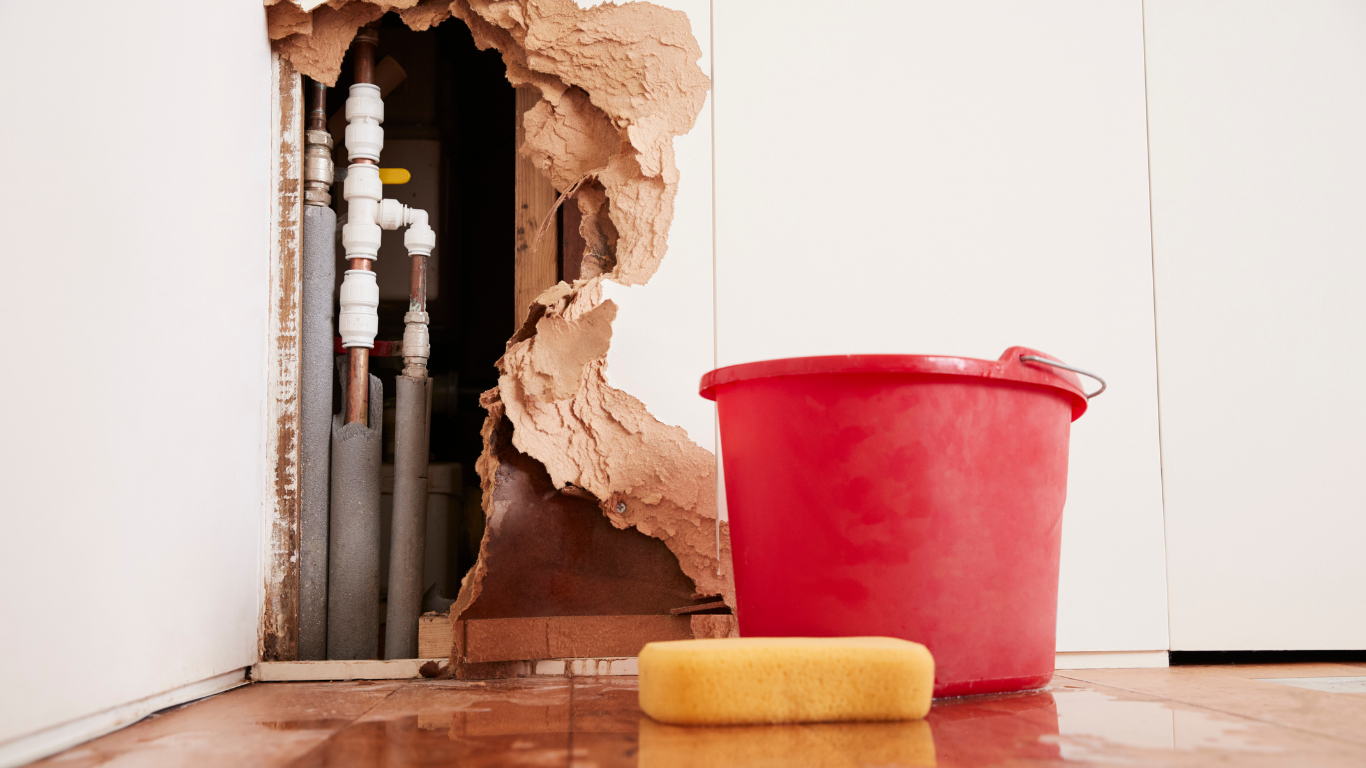
Burst Pipes: Freezing temperatures (yes, even in Upstate SC!), old pipes, or even sudden pressure changes can cause pipes to burst, releasing gallons of water every minute. This can happen behind walls, under floors, or in your attic, making it hard to spot until major damage occurs.
-
Appliance Malfunctions: Dishwashers, washing machines, water heaters, and refrigerators (especially ice makers) are all common sources of leaks. Hoses can crack, connections can loosen, or the units themselves can fail, flooding rooms in a flash.
-
Slow, Hidden Leaks: Drips from corroded pipes, leaky toilet seals, or worn out washing machine hoses might seem minor, but they can silently cause massive damage over time. These hidden leaks lead to rot, mold behind walls, and structural weakening that goes unnoticed for months.
Why It Matters: Plumbing issues can cause widespread damage to floors, walls, and belongings. Regular inspections and quick repairs are crucial to prevent these sudden and often costly events. If it happens, All Dry Services of Anderson, Clemson, & Greenville is ready for emergency water extraction.
2. Roof and Foundation Problems
Your home’s exterior is its primary shield against the elements, and when that shield is compromised, water will find its way in from above or below.
-
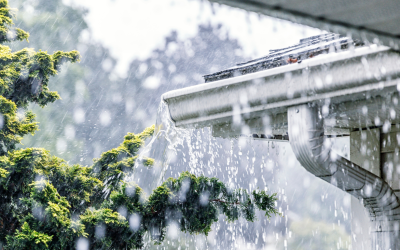
Damaged Roofs: Missing, cracked, or aging shingles, poorly sealed flashing around chimneys or vents, and damaged skylights are direct invitations for rainwater. Heavy downpours can push water through these weak points, saturating attics, ceilings, and walls.
-
Cracked Foundations: Over time, foundations can develop cracks due to settling, expansive soils, or hydrostatic pressure from heavy rains. These cracks act as channels, allowing groundwater to seep directly into basements or crawl spaces, causing flooding and damp conditions.
-
Clogged Gutters and Downspouts: We’ve said it before, but it’s a huge factor. When gutters overflow, water is dumped directly against your home’s siding and foundation, leading to exterior damage and overwhelming your home’s defenses.
Why It Matters: Breaches in your roof or foundation allow water to penetrate deeply into your home’s structure. These issues often lead to long-term problems like wood rot, deteriorating drywall, and widespread mold growth, impacting your home’s structural integrity and air quality.
3. Severe Weather and Natural Disasters
While often unavoidable, heavy storms and extreme weather events are undeniable forces behind severe water damage.
-
Flash Floods: Upstate South Carolina experiences intense rainfall, leading to rapid rises in water levels. Flash floods can overwhelm drainage systems, sending large volumes of water rushing into homes, especially those in low-lying areas.
-
Storm Surges & Heavy Rains: While coastal areas get storm surges, inland areas like ours face prolonged periods of heavy rain that can saturate the ground, overwhelm septic systems, and cause rivers and streams to overflow their banks. This results in widespread regional flooding.
-
Wind-Driven Rain: High winds accompanying severe storms can force rain through tiny cracks, around windows and doors, and into rooflines that would normally be watertight under lighter conditions, leading to unexpected interior leaks.
Why It Matters: Natural disasters cause some of the most extensive and immediate water damage. They often result in widespread power outages, making quick DIY mitigation difficult. Professional help, like the 24/7 emergency service from All Dry Services of Anderson, Clemson, & Greenville, becomes absolutely essential to save your home and prevent secondary damage like widespread mold.
Water Damage Doesn’t Wait – Neither Should You!
Understanding these common causes is your first step in protecting your Upstate South Carolina home. But if water does find its way in, the clock starts ticking immediately. Don’t let a small leak turn into a major disaster or a mold infestation. For emergency water extraction, expert drying, and certified mold remediation, trust the local pros who know South Carolina best. Contact All Dry Services of Anderson, Clemson, & Greenville at 864-863-1234 for 24/7 emergency service. Call now and let us help you get your home back to dry!