All Dry Services of Anderson, Clemson, & Greenville

 60 Min Response Time
Is Your Greenville Home Ready for Spring Showers? (And What’s Hiding in Your Crawl Space)
Welcome to Spring in the Upstate! (Is Your Home Ready?)
Living in the Upstate, we know that when spring hits Greenville, it doesn’t just mean blooming azaleas and walks down Main Street, it means rain. As we transition out of the chilly winter months, our homes face a new set of challenges. At All Dry of Anderson, Clemson, & Greenville, we see it every year: heavy spring rains finding their way into cracks caused by winter freezes.
If you’re a homeowner in Greenville, Clemson, or Anderson, you don’t need to panic, but you do need to prepare. Whether it’s a flooded basement or a suspicious musty smell that won’t go away, we are your local experts in turning a wet mess back into a dry, safe home. Let’s talk about how you can stay ahead of the weather this season.
The Greenville Weather Factor: Why Spring is “Water Damage Season”
You might not realize it, but our local geography plays a huge role in how water affects your home. Greenville sits in the foothills, and while that gives us beautiful views, it also means runoff.
Here is the reality of our local spring weather:
-
March Madness (The Wet Kind): March is historically one of the wettest months for Greenville, averaging over 4.2 inches of rain. That is a lot of water testing your roof and foundation in a short period.
-
The Freeze-Thaw Aftermath: Even our mild winters can cause soil to expand and contract. This often creates tiny micro-cracks in your foundation or basement walls during January and February. When those heavy April showers hit, water follows the path of least resistance—right into your home.
-
High Humidity: As temperatures rise, so does the humidity. Mold grows more easily in humid environments.
Pollen or Mold? Knowing the Difference
We all know the yellow haze of pollen that covers Greenville every spring. But sometimes, those “allergy symptoms” you’re fighting inside your house aren’t from the pine trees outside.
If your runny nose, itchy eyes, or headaches seem to get worse when you’re inside, especially in the basement or bathroom, you might be dealing with indoor mold growth, not just seasonal allergies.
Common signs your home might have a mold issue:
-
Musty Odors: That “old house smell” is often actually active mold growth.
-
Persistent Symptoms: Sneezing or coughing that doesn’t clear up with allergy meds.
-
Visible Spots: Dark spots on walls, ceilings, or even on the back of furniture pushed against cool walls.
Mold grows fast, often within 24 to 48 hours of a water leak. It loves porous materials like drywall, carpet, and wood flooring. Once it roots in, it takes professional remediation to remove it safely without spreading spores to the rest of your house.
Your Spring Defense Checklist
You don’t have to wait for a disaster to call us. A little prevention goes a long way. Here is a quick Saturday morning checklist to keep your Upstate home dry this season:
-
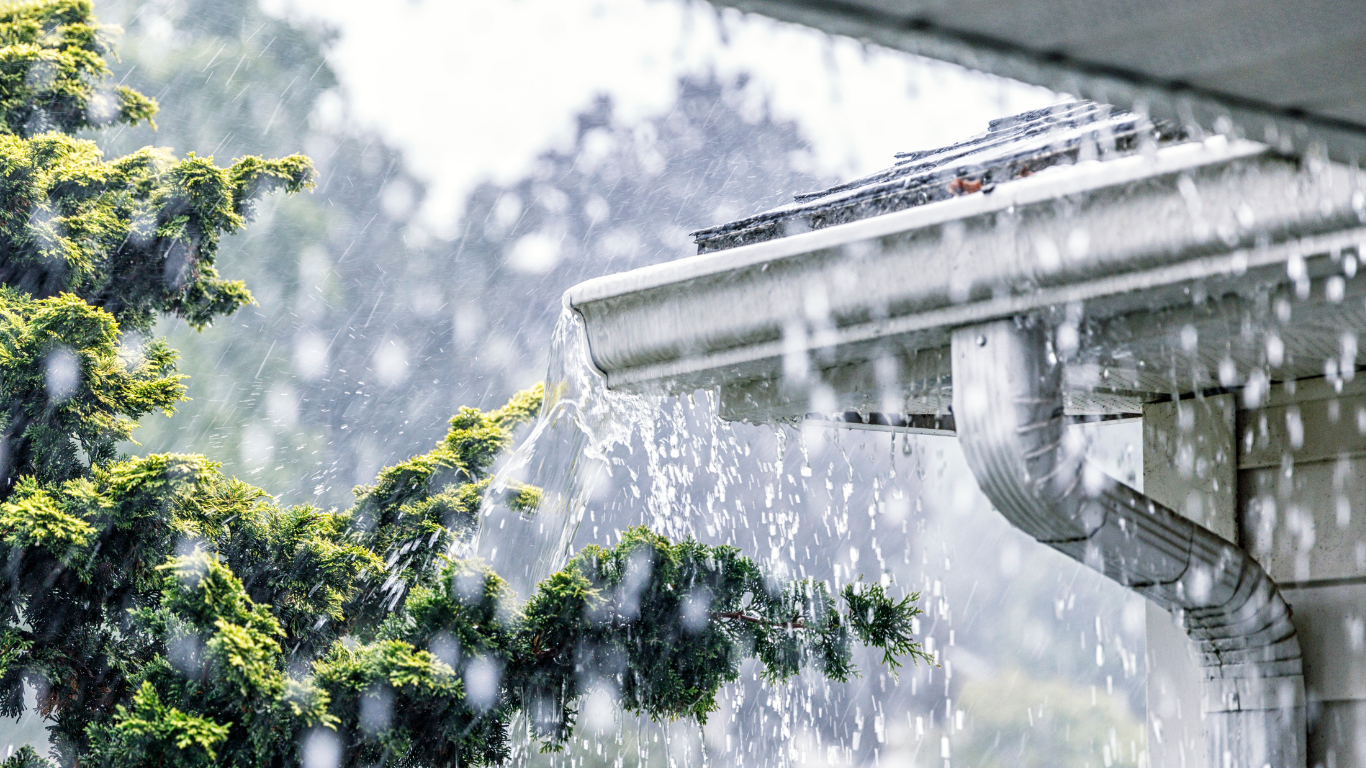
Check Your Gutters: Winter winds often fill gutters with pine needles and leaves. If they are clogged, that 4 inches of March rain will pour directly over your foundation, causing hydrostatic pressure that forces water into your crawl space or basement.
-
Inspect Your Sump Pump: If you have a basement, pour a bucket of water into your sump pit to make sure the pump activates and ejects water away from the house.
-
Look Up: Check your attic for any dark spots on the underside of the roof sheathing. Winter ice dams (rare, but possible) or wind-damaged shingles can lead to slow leaks that you won’t notice until the ceiling stains appear.
-
Grade Your Yard: Ensure the soil around your foundation slopes away from your house. You want water running toward the street, not pooling against your brickwork.
How All Dry Can Help
Sometimes, despite your best efforts, water finds a way in. Maybe a pipe bursts, a washing machine hose fails, or a storm is just too strong. That is where we come in.
We specialize in water damage restoration and mold remediation. We don’t just suck up the water; we understand the science of drying. We know how to save your hardwood floors, how to treat your tile, and when a carpet pad needs to go.
Why Greenville trusts All Dry:
-
Fast Response Time: Water spreads fast. We move faster.
-
Local Experts: We know South Carolina homes, from historic builds to new construction.
-
Comprehensive Care: We handle everything from the initial leak detection and water extraction to the final mold testing and cleanup.
Don’t let a little spring rain turn into a massive headache. If you spot a leak or smell mold, give us a call. We’re here to make sure your home stays All Dry.
Need help right now? Call All Dry of Anderson, Clemson, & Greenville today for a free inspection.