All Dry Services of Seattle

 60 Min Response Time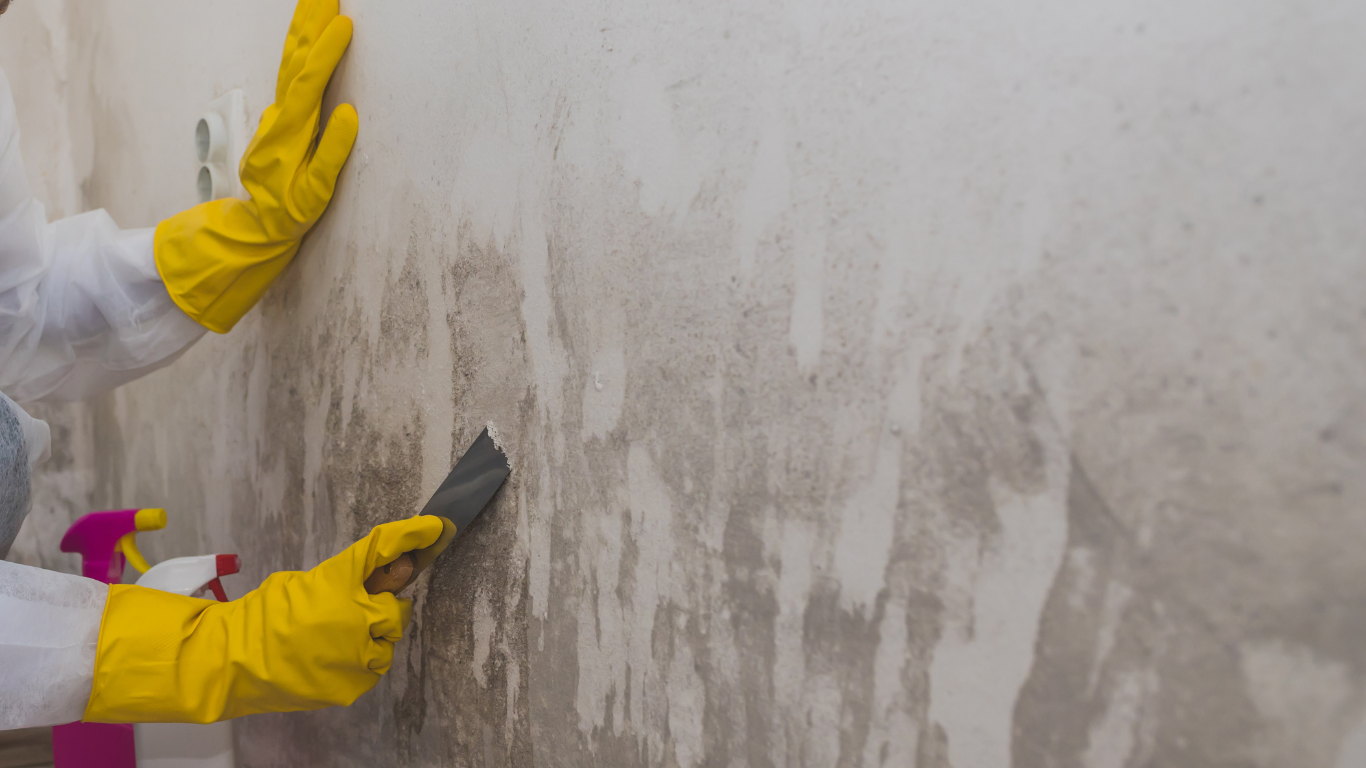
Mold Removal and Remediation in Seattle to Prevent Growth After Water Damage
People believe their water damage situation has been resolved after they remove all visible water from their property. But in Seattle’s humid weather, actual dangers begin to appear after an initial damage assessment, as musty odors, discoloration, and concealed moisture that sustains mold growth become evident. That’s why mold remediation in Seattle, the kind homeowners can trust, isn’t just about cleanup; it’s about preventing regrowth after leaks, floods, or storm-related intrusions.
If you’ve had a burst pipe, an overflowing appliance, or even a slow drip behind a wall, you’re already on the clock. Mold can begin growing in as little as 24–48 hours when moisture and materials like drywall or carpet are involved. The steps below walk you through what to do right away, what to monitor, and when to bring in professional help.
Why mold grows after water damage in Seattle homes
Mold needs three things: moisture, a food source, and time. After water damage, all three are usually present, especially in areas you can’t easily see. Seattle’s cooler temperatures and frequent rain can slow drying, and many homes have enclosed wall cavities, basements, or crawl spaces that hold humidity.
Common “hidden” moisture traps include:
- Drywall and insulation that wick water upward
- Baseboards and trim that trap dampness behind them
- Subflooring under carpet or laminate
- Cabinets and toe-kicks that stay wet after a kitchen leak
- Attics after roof leaks or storm damage
Even if surfaces feel dry, moisture can remain inside materials. That’s where mold removal and remediation become a prevention strategy, not just a reaction.
First 24 hours after water damage: What to do immediately
Your goal on the first day is to limit how far the water spreads and start drying fast. If the water source is still active, stop it first (shut off the valve, turn off the appliance, or secure the area). If you suspect a hidden leak, professional leak detection can help pinpoint the source without unnecessary demolition.
Here’s a practical checklist you can follow right away:
- Protect yourself: Avoid contact with potentially contaminated water. If it’s sewage-related, skip DIY and call for sewage cleanup immediately.
- Move what you can: Lift items off wet floors, remove rugs if safe, and separate damp fabrics so they can dry.
- Start drying: Use fans and dehumidifiers if you have them. Keep air moving, but don’t blow air into wall cavities unless you know it’s safe to do so.
- Control humidity: Close windows if outside air is damp; in Seattle, outdoor air can add moisture rather than remove it.
- Document everything: Photos of affected areas help if you’re filing a claim and help restoration pros understand the scope.
If the water came from flooding, storms, or a major backup, it’s often best to call for water damage restoration or flood damage restoration right away. The faster drying and extraction begin, the lower the mold risk.
How to tell if you need mold remediation: Seattle property owners should watch for
Mold isn’t always obvious. Sometimes it’s behind walls, under flooring, or inside HVAC returns. Pay attention to small signals in the days and weeks after water damage.
Warning signs include:
- A persistent musty smell that doesn’t fade after drying
- New or worsening allergy-like symptoms in one area of the home
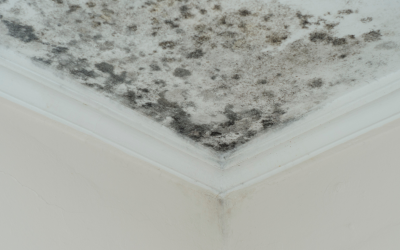
- Discoloration on drywall, ceilings, baseboards, or around vents
- Paint bubbling, warping materials, or soft spots in walls
- Humidity that stays high even with ventilation
But if you have any doubts, it might be wise to conduct an inspection prior to repainting or replacing the floor. Concealing any moisture in the material only exacerbates its presence.
Step-by-step mold prevention after water damage
After initial concerns are addressed, prevention can be implemented. Below is an example of how you might prevent future mold.
1) Confirm the water source is fully resolved
If the leak or intrusion is still happening, even slightly, mold prevention won’t stick. A slow drip under a sink or a roof seam that opens during storms can keep materials damp for weeks. This is where leak detection and storm damage restoration support can make a big difference.
2) Remove water and moisture from materials, not just surfaces
Surface drying is not enough if water has soaked into drywall, insulation, carpet padding, or subflooring. Professional water damage restoration employs selective drying and testing to make sure that the moisture content decreases to acceptable levels. Otherwise, the fungi may grow back even if the site appears “dry.”
3) Isolate affected areas if mold is suspected
If you see visible mold or suspect it behind a wall, avoid spreading spores. Limit foot traffic. Keep doors closed. Avoid running fans that blow across moldy surfaces. Proper containment is key for mold removal and remediation. It helps stop cross-contamination in clean rooms.
4) Clean and remove damaged porous materials when necessary
Some materials can’t be reliably cleaned once mold has penetrated them. In some cases, depending on the nature and severity of the water damage, porous materials such as insulation, certain types of ceiling panels, and carpet cushioning may have to be disposed of. A professional cleaning team will determine which materials can be saved and which must be replaced.
5) Address odors early so you don’t “live with it.”
Musty smells often mean moisture remains somewhere. If drying is complete and odors persist, odor removal may be needed as part of the overall remediation plan. Odor treatment works best when the moisture source and any mold-affected materials are handled first.
6) Rebuild only after moisture levels are verified
One of the most common causes of mold recurrence in any property is premature reconstruction, such as installing new drywall, painting, or even installing new flooring over material that remains damp. This needs to be verified, especially when we’re talking about big claims involving commercial buildings.
When to call professionals and what to expect
DIY is much smaller, more on the surface than anything else; it’s much more of a snowball-upon-initiation type deal. Professional:
- The affected area is large, or you can’t see the full extent
- Water entered wall cavities, ceilings, or under floors
- The water may be contaminated (including sewage)
- You smell mold, but can’t find it
- You’ve had repeated leaks or recurring musty odors
Professional remediation usually involves moisture testing, controlled drying, mold containment, disposal of any damaged materials, and extensive cleaning. When water damage is related to a larger incident, such as a kitchen fire that was put out with water, it may coincide with fire and smoke damage restoration.
Practical habits that help prevent mold long after repairs
The practical habits used to prevent mold growth will continue to work after the building repairs.
- Run bathroom fans during and after showers, and vent dryers outdoors
- Keep indoor humidity in check with a dehumidifier if needed
- Check under sinks and around appliances monthly for slow leaks
- Clean gutters and direct downspouts away from the foundation
- Watch for early signs after storms and address them quickly
Think of mold prevention as an extension of restoration. The goal isn’t just to fix what happened, it’s to make sure it doesn’t come back.
Water damage is stressful, but mold doesn’t have to be the “second disaster.” Quick drying, constant monitoring, and appropriate remediation can stop the growth from spreading. Act fast to prevent mold from taking hold and causing further damage to your property. If you are experiencing water damage-related leakage, flooding, storm entry, or foul odors, professional assistance can be crucial. Water damage restoration allows for quick repair of the affected area. Mold removal ensures that everything is hygienic. Contact us today for expert services from All Dry Services of Seattle.
To stay current with us, please follow our Facebook page.