All Dry Services of North Denver & Boulder

 60 Min Response Time
Sewage Cleanup in Erie With Safety Steps and Professional Remediation
A sewage backup is one such disaster in your home that overwhelms you immediately. It is dirty, smelly, and possibly contaminated with germs, and so it is definitely not something that you just clean up.
If you’re dealing with sewage cleanup in Erie, the safest approach is to treat it like a contamination event: limit contact, stop the source, and bring in professional remediation when the affected area is more than a tiny, contained spill. Below is a practical, list-style guide to what to do right away, what to avoid, and what a proper cleanup process should include.
Sewage cleanup in Erie: what makes it uniquely risky
Sewage is not clean water that results from a ruptured water supply line. Sewage is generally considered Category 3 water (grossly contaminated) and can penetrate porous materials quickly. Even though the visual contamination may seem minor, it can seep into the subflooring, behind the baseboards, and into the walls.
Common situations that lead to sewage issues include:
- Backup of basement drains due to rainfall or snowmelt (commonly associated with storm sewers)
- Sump pump failure leading to mixed floodwater and waste
- Blockage or damage to the main sewer line
- Toilet overflows that reach the flooring, vents, or adjacent rooms
Since Erie is prone to sudden weather changes and storm-related water infiltration, the sewage issue may coincide with the need for Storm Damage Restoration or Flood Damage Restoration, requiring prompt action.
Immediate safety steps: what to do in the first hour
First, ensure safety and containment are priorities before cleaning up.
- Keep people and pets out. Close doors, block access, and avoid walking through contaminated water.
- Ventilate if it’s safe. Open windows if you can do so without tracking contamination through the home.
- Shut off HVAC to prevent spread. Forced air can move contaminated particles and odor through ductwork.
- Stop the source if possible. Turn off the water to a running toilet, or stop using plumbing fixtures if the drains are backing up.
- Cut power to affected areas. If water is near outlets or appliances, don’t step into it. Shut the power off at the breaker if you can do so safely.
- Document damage. Take photos and short videos before anything is moved. This helps with insurance and planning.
If the sewage is widespread, has soaked into carpet or drywall, or you can’t identify the source, it’s time to call a professional for Sewage Cleanup and related Water Damage Restoration.
What NOT to do (these mistakes make things worse)
In the stress of the moment, it’s easy to start scrubbing. With sewage, a few common “quick fixes” can create bigger problems later.
- Don’t use a household vacuum. Regular vacuuming aerosolizes contaminants and can ruin the machine.
- Don’t run fans directly on contaminated materials. Air movement can spread bacteria and odors deeper into the building.
- Don’t mask odors with sprays. Odor cover-ups don’t remove contamination; they can also complicate professional relationships.
- Don’t keep porous items “to dry out.” Some items, such as carpeting, padding, certain pieces of furniture, and wet drywall, may contain contamination and should be removed.
- Don’t ignore “minor” seepage. A small backup can still contaminate subflooring or baseboards, leading to mold and a persistent odor.
Professional remediation checklist: what a thorough job includes
All cleanups are not the same. A good sewage cleanup plan needs to address not only the visible mess but also the contamination that can cause long-term problems.
- Assessment and moisture mapping. Pros use meters and inspection techniques to find where water traveled under floors, behind walls, and into adjacent rooms. This is a core part of Water Damage Restoration.
- Controlled removal of contaminated materials. Affected carpet, pad, insulation, and damaged drywall may be removed to stop ongoing contamination.
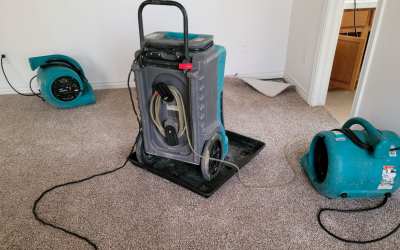
- Extraction and drying. High-powered extraction and commercial drying equipment help prevent secondary damage and reduce the chance of microbial growth.
- Cleaning and disinfection. Hard surfaces are cleaned and treated with appropriate disinfectants for sewage contamination.
- Odor control. True Odor Removal targets the source (contaminated materials, trapped moisture, and residue), not just the smell in the air.
- HEPA filtration as needed. Air filtration will minimize the presence of airborne contaminants while removing the material.
- Final verification and guidance. You should get a list of what you need to do, where it is safe, what was taken out, and what needs to be fixed.
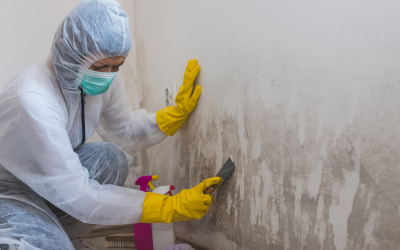
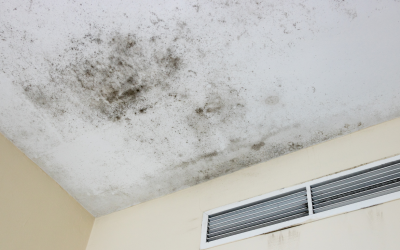
If a sewage backup has triggered other issues, such as wet insulation that leads to microbial growth, professional Mold Removal & Remediation may be recommended after drying and demolition are complete.
How sewage cleanup connects to other restoration needs
Sewage incidents don’t usually occur alone. Based on the cause of the sewage damage, further cleaning and restoration services may be necessary to secure your property.
- Leak Detection: If you can’t see the source, look for a broken line. Identifying recurring plumbing problems prevents backups from recurring.
- Flood Damage Restoration: When stormwater or groundwater is involved, cleanup can spread. It often goes beyond one bathroom or drain area.
- Storm Damage Restoration: Heavy rain can overwhelm systems and cause multi-point water intrusion that needs broader mitigation.
- Commercial Restoration: In commercial buildings, issues related to sewage can affect business operations.
- Hazardous Material Cleanup: In some scenarios (e.g., older buildings, mixed contaminants, or special site conditions), additional precautions may be needed.
A sewage event can occur alongside another emergency, such as a kitchen fire. This can make recovery harder. In these situations, you might need Fire Damage Restoration. You could also need Smoke Damage Restoration services for your plan.
Actionable home checklist: reduce risk of future backups
Once the immediate crisis is handled, a few practical habits can reduce the risk of another sewage cleanup.
- Watch what goes down drains. Avoid flushing wipes (even “flushable”), paper towels, and hygiene products.
- Respond quickly to slow drains. A slow drain can be an early warning sign of a developing blockage.
- Pay attention after storms. If you notice gurgling drains or sewer odors after heavy rain, stop using water and investigate.
- Keep floor drains clear. The basement is usually equipped with floor drains that will be easily blocked when they become too full.
- Address recurring moisture. Persistent dampness can create a moldy environment; if you smell mustiness, consider a professional inspection and Mold Removal & Remediation if needed.
- Don’t delay professional help. The longer the contamination sits, the more material removal and rebuilding may be required.
When to call for help right away
If any of the following are true, it’s safer and often cheaper long-term to bring in a professional team:
- Sewage touched carpet, padding, upholstery, or drywall.
- The affected area is larger than a small, contained spot.
- You suspect the contamination spread under the flooring or into the walls.
- There’s a strong lingering odor after surface cleaning.
- The source is unknown, or the backup keeps returning.
Sewage incidents are stressful, but with the right steps, they can be handled safely and effectively. Make safety your top priority, avoid shortcuts that could spread contamination, and make sure the remediation process includes extraction, drying, disinfection, deodorization, and proper cleanup. For fast and reliable help, contact All Dry Services of North Denver & Boulder today. With professional Sewage Cleanup Services, along with Water Damage Restoration, Leak Detection, and Odor Removal, you can get your Erie property back to clean, dry, and livable again.
To stay current with us, please follow our Facebook and Instagram pages.