All Dry Services: North Shore Boston & Southern NH

 60 Min Response Time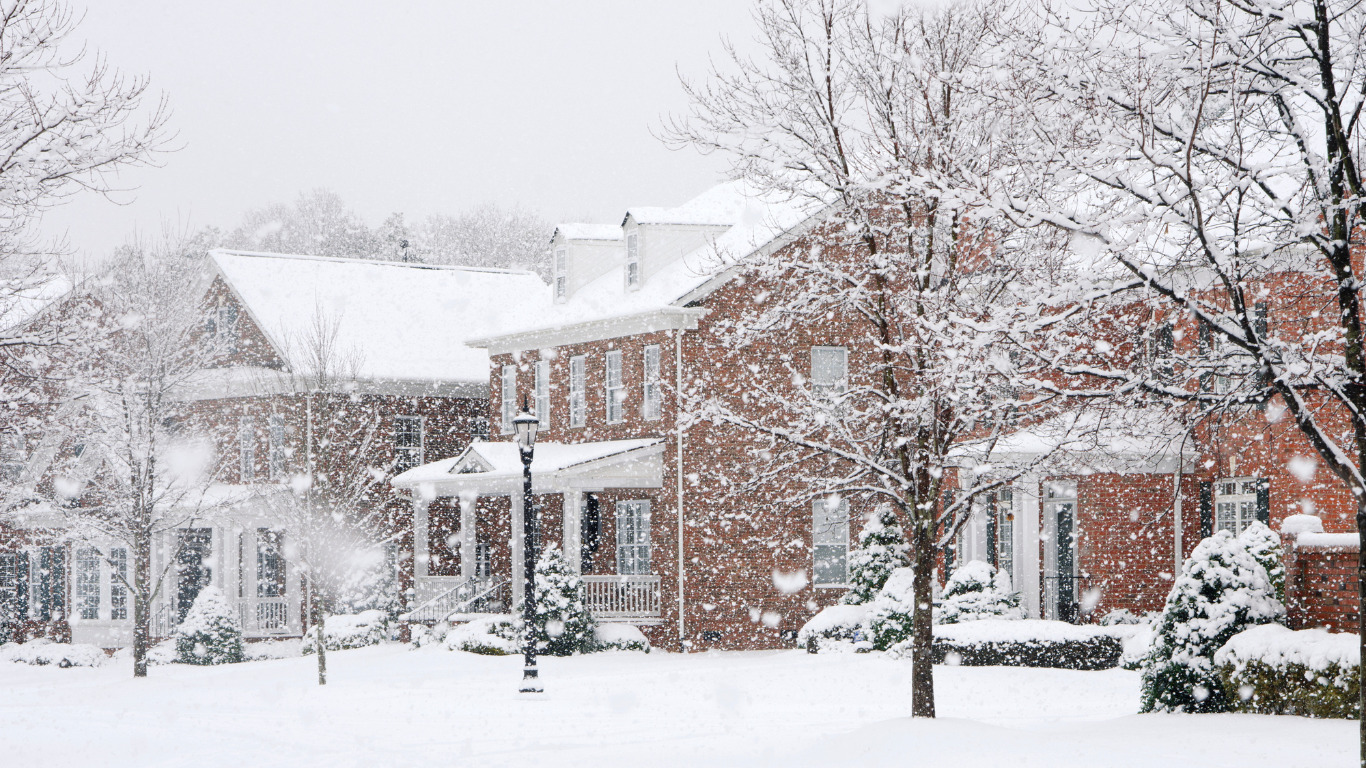
Winter Storm Damage Prevention Tips for Coastal Massachusetts and Southern NH
Winter storms have severe disruptive effects on Coastal Massachusetts and Southern New Hampshire, as the North Shore and inland areas face extreme wind conditions along with snow and ice accumulation. The weather conditions create a situation in which minor issues can escalate into significant destruction. In winter, leak detection becomes essential. Early identification of leaks protects your home from water damage, mold growth, and costly restoration work. All Dry Services of Greater Boston & Southern New Hampshire experiences the same winter problems every season, and this guide explains the necessary actions to take before a storm, during its occurrence, and after it ends.
Understanding the Risks Winter Storms Bring
Snow, Ice, and Roof Stress
The snow that falls in Salem, Gloucester, and Portsmouth creates a beautiful appearance when it covers roofs. The snow adds extra weight and retains moisture. The process of daytime snowmelt and nighttime refreezing can lead to ice accumulation on roof edges and gutters. That ice can push water back under shingles, leading to hidden leaks that spread into ceilings and walls.
Frozen Pipes and Sudden Bursts
Cold Weather Events in the North Shore and Southern New Hampshire Region create conditions that lead to instant pipe freezing. The most vulnerable areas in buildings include their basements, attics, and exterior walls. When a frozen pipe bursts, water moves fast, and without quick leak detection, damage can spread before you even realize there’s a problem.
Power Outages and Water Intrusion
The winter storms cause power outages that impact both the Boston suburbs and the New Hampshire towns. The breakdown of the heating system causes pipes to freeze because the system stops working. The sump pumps become defective as the snow melts. The building environment supports mold growth because water enters the building and moisture is trapped inside.
Before the Storm: How to Prepare Your Property
Inspect and Seal the Exterior
Before the first snowflake falls, examine your roof and siding materials. The roof inspection requires you to check for openings in shingles, flashing, and vent systems. The gutter system needs cleaning to ensure proper snow drainage during melting. The coastal areas experience wind-driven snow, which can enter through small cracks; therefore, sealing the windows and doors will provide adequate protection.
Protect Plumbing Lines
Insulate exposed pipes in basements, crawlspaces, and garages. Older homes in North Shore regions feature plumbing systems with pipes running to exterior walls. That area is the primary location for freeze-ups. Protecting these areas reduces the risk of future pipe bursts and emergency leak detection calls.
Keep Indoor Temperatures Steady
You should not reduce the system’s temperature before you leave for your trip. The system requires constant temperature maintenance to protect pipes from freezing and minimize plumbing system pressure. Opening cabinet doors under sinks allows warm air to circulate through areas where pipes are installed.
Plan for Emergencies
Storm prep isn’t just about supplies. It’s also about knowing who to call if something goes wrong. Time savings occur through your ability to maintain a list of trustworthy restoration services. All Dry Services of Greater Boston and Southern New Hampshire represent your restoration service needs.
During the Storm: What to Watch For
Stay Alert Indoors
The snow accumulation outside requires you to focus on indoor developments. You have to inspect the ceilings and walls for water stains, drips, and moisture. The initial symptoms of roof leaks and ice dams include the following: Organizations can control water damage by identifying leaks during storms.
Manage Snow Safely
If heavy snow builds up, use a roof rake from the ground to reduce the weight. Avoid climbing onto icy roofs. Clearing snow helps prevent ice dams and lowers the chance of water backing up under shingles.
Handle Power Outages Carefully
You should use outdoor generators during power outages while keeping flashlights for emergency needs. You should inspect plumbing areas that are at risk when temperatures drop. The main water supply should be shut off when you suspect a pipe has frozen or is leaking to avoid more serious issues.
After the Storm: Inspect and Act Quickly
Check for Visible Damage
The area requires complete inspection after the storm has passed. The inspection needs to identify three specific types of damage: damp drywall, bubbling paint, and sagging ceilings. The team will perform basement and crawl space inspections to detect standing water and elevated humidity. The hidden damage to homes in the Boston suburbs and Southern New Hampshire lies below ground.
Document What You Find
Take clear photos and notes of any damage. The documentation enables restoration professionals to understand better the situation, which helps meet insurance requirements. The documentation process ensures precise leak detection results, which create a practical foundation for repair work.
Don’t Delay Drying
Water damage doesn’t wait. Even small leaks can lead to mold within days. Starting drying and cleanup right away limits long-term issues and keeps repair costs down.
How All Dry Services Helps After Winter Storms
Emergency Water Removal and Leak Detection
All Dry Services of the Greater Boston Area and Southern New Hampshire offers emergency services during winter storms, which are common in the region and cause flooding and leaks. The company uses state-of-the-art equipment to detect hidden moisture sources.
Structural Drying and Moisture Control
Our water removal process involves more than just removing water from the surface. Our team uses equipment that performs well even at low temperatures to dry all building components. Your home will be protected from mold, and your building components will remain intact, if you use the proper drying techniques.
Mold Prevention and Cleanup
When moisture sticks around, mold can follow. Our organization provides customer service throughout Coastal Massachusetts and southern New Hampshire, from North Shore communities to nearby inland areas.
Local Experience You Can Trust
Our organization serves customers throughout Coastal Massachusetts and Southern New Hampshire, from North Shore communities to their nearby inland areas. Our understanding of local winter weather patterns enables us to approach each project using specific knowledge of our work area.
Staying Ready for the Next Storm
The active presence of winter storms will continue, but their impact can be reduced through proper planning and swift response measures. The three components of the system, which include regular inspections, early leak detection, and identifying emergency contacts, all operate together to create a complete operational function. The team at All Dry Services of Greater Boston and Southern New Hampshire stands ready to assist customers during winter storms by providing them with practical help that does not create any stressful demands.
To stay current with us, please follow our Facebook page.