All Dry Services: North Shore Boston & Southern NH

 60 Min Response Time
Sewage Cleanup Services in Lowell, MA for Health Risk Protection Plus Safe Cleanup Solutions
A sewage backup is one of those home emergencies that feels overwhelming fast, and you won’t be able to handle the problem. The health and safety risks are very serious due to contamination with bacteria and other hazardous substances. Sewage cleanup in Lowell, Massachusetts, will require more than drying out your house.
This how-to guide walks you through what to do right away, what not to do, and how professional cleanup typically works. You’ll also see when related services like water damage restoration, leak detection, odor removal, and mold removal & remediation come into play.
Sewage Cleanup in Lowell, MA: Why It’s a Health-Risk Emergency
Sewage water isn’t like clean water from a supply line. It can carry bacteria, viruses, and other germs. These can spread through porous materials and hang in the air. Small backups can cause big problems. Wastewater can soak into flooring. It can also damage baseboards, drywall, and insulation. This leads to serious issues.
In practical terms, the risk comes from:
- Direct contact with contaminated water or wet materials
- Aerosols created while moving items or using fans improperly
- Cross-contamination when shoes, tools, or pets track sewage into clean areas
- Secondary damage like mold growth after the initial event
This is why the task of sewage cleanup is not only a process of sanitation but also that of restoration.
What to Do Immediately (First 30–60 Minutes)
When sewage is involved, the first steps should focus on safety and limiting spread. If you’re unsure whether the water is sewage, treat it as sewage until a professional confirms otherwise.
Step 1: Keep people and pets out
Close doors to the affected area and lock out access. In case of basement backups, refrain from going downstairs unless you have to turn off the utilities.
Step 2: Stop the source if possible
If a toilet overflows or a drain backs up, stop using all water fixtures, such as sinks, showers, or laundry. If you can do this safely, then shut off the water to your home. If you think there’s a plumbing problem or hidden leak, leak detection can help. It shows where water is coming in or where pipes might be broken.
Step 3: Turn off electricity in the affected area
Water and electricity can be a lethal combination. If there is any water around electric outlets, appliances, or the breaker box, do not enter the flooded area. If possible, you can turn off the electricity at the source.
Step 4: Ventilate carefully (don’t blast fans yet)
Open windows if it can be done without spreading contamination to other areas. Avoid running HVAC systems that could circulate contaminants. High-powered drying is key in professional water damage restoration. However, with sewage, it must happen after containment and sanitization.
Step 5: Document what you see
Take clear photos of affected rooms, water marks on walls, and damaged objects. This is useful for insurance purposes as well as to make cleanup plans.
DIY vs. Professional Sewage Cleanup: A Practical Decision Guide
Sewage is easy to underestimate. A simple rule: if wastewater comes into contact with anything porous, call a professional. That includes carpet, padding, drywall, or furniture. It’s the safer option, especially if more than a very small area is affected.
Consider calling for professional help if:
- The backup affects more than just a small and easily isolated area.
- Water reached carpet, baseboards, drywall, or insulation
- You notice strong odors that don’t fade quickly (odor removal may be needed)
- You’ve had repeated backups (could indicate a deeper issue)
- Anyone in the home is immunocompromised, elderly, or very young
Professionals can combine sewage cleanup with flood or storm damage restoration if heavy rain or flooding contributed, something that can occur in low-lying areas or during major weather events.
How Safe Sewage Cleanup Typically Works (Step-by-Step)
Despite differences from one cleaning task to another, there is a common process to all successful cleanups. This process must be adhered to since improper drying and lack of containment will result in the spread of contaminants.
1) Containment and safety setup
Contamination needs to be isolated to prevent further spread. This is particularly vital when sewage backups are near residential areas. This is equally necessary in commercial restoration work, where pedestrian traffic cannot be effectively controlled.
2) Removal of contaminated water and debris
Standing wastewater is extracted. Remove any materials that soaked up sewage. This helps stop contamination and bad smells. This step often combines sewage cleanup and water damage restoration. However, sanitation needs are greater.
3) Cleaning and disinfection of surfaces
Hard surfaces are cleaned and disinfected. The goal is to remove contaminants rather than merely cover them up. It also reduces the likelihood of odors forming later.
4) Drying and dehumidification
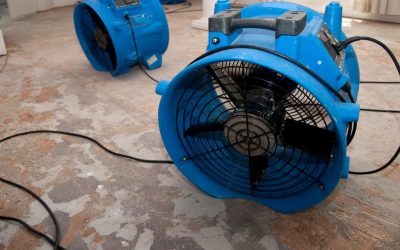
Once the cleaning process is complete, drying devices will remove water from construction components. Proper drying is necessary to prevent mold development. If molds have developed or are developing, mold removal/remediation may be needed.
5) Odor control and verification
The smell of sewage can continue even after the obvious mess has been cleaned, particularly when moisture entered any enclosed spaces. There are ways to eliminate sewage odors that do not just mask them.
6) Repair planning and next-step restoration
After cleanup and drying, you can make informed decisions about repairs. Sewage incidents can happen with other losses. For example, a storm can cause flooding. Fire restoration may involve using water to extinguish the fire. This may increase the amount of water damage that needs restoration. Planning helps avoid any “do-over” problems.
What Not to Do (Common Mistakes That Make It Worse)
In the rush to fix things, it’s easy to take steps that spread contamination or lock in damage. Avoid these common missteps:
- Don’t use a household vacuum to pick up sewage water.
- Don’t run fans aggressively before the area is contained and cleaned, this can aerosolize contaminants.
- Don’t keep wet carpet or padding that has been exposed to sewage; it can hold contamination and odors.
- Don’t paint over stains or smells to “seal it in.” If odor removal hasn’t addressed the source, the smell often returns.
- Don’t ignore moisture in walls; hidden dampness is a major driver of mold problems.
After Cleanup: How to Reduce the Chances of Another Backup
Now that the immediate danger is dealt with, it only takes a little prevention to save us from future trouble. Some methods require only common practices; others require you to solve any underlying problems.
Watch for early warning signs.
Drainage issues, gurgling noises, clogged toilets, and sewage odors are all potential signs that a problem is beginning. If you have noticed patterns, then leak detection and inspection may help determine whether an underlying problem is causing the issues.
Be cautious after storms and flooding.
In Lowell, heavy rain events can overwhelm systems and contribute to basement water problems. If you’ve had water intrusion during storms, storm damage restoration or flood damage restoration may be relevant, especially if the event affected multiple areas or involved contaminated water.
Don’t overlook indoor air quality.
Even after surfaces look clean, odors and humidity can linger. If the space still smells “off,” odor removal can help address what’s trapped in materials or air pathways. And if dampness persisted, mold removal & remediation may be needed before the area is truly safe to occupy.
When Other Restoration Services Matter (Beyond Sewage)
Sewage incidents often overlap with other types of damage. Knowing what to ask for can speed up recovery:
- Water Damage Restoration when the structural elements of the property are damp and need drying out
- Leak Detection when the source isn’t obvious, or you suspect a hidden plumbing failure.
- Flood Damage Restoration when rising water or widespread basement flooding is involved
- Mold Removal & Remediation if moisture lingered long enough for growth to start
- Odor Removal when smells persist after cleaning
- Commercial Restoration when businesses need cleanup with minimal disruption and safe reopening priorities
- Fire Damage Restoration and Smoke Damage Restoration occur when a fire causes smoke and water damage. The smoke residue comes from the fire, while water damage results from extinguishing it.
The right combination depends on what the sewage contacted, how long it sat, and how far moisture traveled.
A sewage backup can be a stressful experience, but there is a clear path forward when safety comes first. Start by isolating the area, identifying and stopping the source of the backup, and following proper cleanup and drying procedures.
For safe sewage cleanup in Lowell, MA, trust All Dry Services: North Shore Boston & Southern NH. With the right follow-up services, including odor removal, water damage restoration, and mold removal & remediation when needed, you can return to a clean, livable space without lingering risks. Contact us today for professional sewage cleanup and restoration services.
To stay current with us, please follow our Facebook page.