All Dry Services: North Shore Boston & Southern NH

 60 Min Response Time
Proven Deodorizing Methods for Odor Removal in Andover
When water or smoke enters a home or business, the smell can linger long after the visible mess is gone, as if it had never left. Odors don’t just remain floating in the air either. They can seep into drywall, framing, insulation, carpet padding, and HVAC parts, plus into odd little concealed spaces people often skip.
If you’re dealing with odor removal after water or smoke damage, the good news is that proven deodorizing methods can help. The key is finding the source of the smell and treating it, rather than just covering up the odor.
Below is a step-by-step guide you can follow right away, plus clear signs it’s time to bring in professional help for water damage restoration, smoke damage restoration, fire damage restoration, sewage cleanup, mold removal & remediation, or commercial restoration in Greater Boston and Southern New Hampshire.
Why odors stick around after water or smoke damage
That smell that won’t quite go away usually hints that something is still hanging around in the building materials, kind of “staying put” even if you don’t see it. After water damage, musty odors often come from water that’s trapped in place, bacteria that’s starting to wake up, or early mold growth. This situation can occur after flood or storm damage cleanup, or even because of a small, hidden leak behind a wall.
After smoke or fire damage, the odor comes from soot and tiny smoke particles. These particles stick to surfaces and can get pulled deep into porous materials.
Common reasons DIY deodorizing fails include:
- Moisture wasn’t fully dried (wet subfloors, wall cavities, insulation, or behind cabinets).
- Contaminated materials weren’t removed (carpet pad, drywall sections, baseboards, insulation).
- Soot remains in the HVAC system and keeps recirculating.
- Masking sprays were used instead of neutralizing odors at the source.
Before you deodorize, you need to confirm the underlying problem is solved. Especially moisture and contamination.
Odor removal after water or smoke damage: a step-by-step plan
Use this workflow whether you’re dealing with a damp basement smell after a storm or smoke odor after a kitchen fire. The steps build on each other, so don’t skip ahead.
Step 1. Make it safe and stop the source
Start with safety first. If sewage, chemicals, or heavy smoke residue are involved, reduce exposure as much as you can and contact a professional cleanup team right away.
Then stop the source:
- Water: shut off supply if needed and address the cause (a plumbing issue may require leak detection).
- Smoke/fire: confirm the area is cleared and stable before disturbing soot.
If you deodorize while moisture is still present or soot is still spreading, you’re basically chasing the smell in circles.
Step 2. Remove what can’t be saved
Odor often persists in hard-to-clean materials. Removing unsalvageable items is one of the most “proven” deodorizing methods because it eliminates the reservoir of odor.
In many water and flood situations, the usual culprits are:
- Carpet padding (it holds moisture and bacteria)
- Swollen particleboard or MDF
- Wet insulation
- Drywall that wicked water (often 12–24 inches up, sometimes more)
After smoke damage, porous materials can retain that odor for a long time. Like upholstered furniture, rugs, and unfinished wood, they’re pretty typical in this category. If it still smells really strong even after basic surface cleaning, then you might be looking at special restoration work or, in some cases, disposal.
Step 3. Dry the structure completely
A musty odor after water damage is often a drying issue, not a “spray” issue. Drying means more than running a fan for a day. It means removing moisture from building cavities and materials.
What you can do right away:
- Run a dehumidifier continuously (empty it often or use a drain hose).
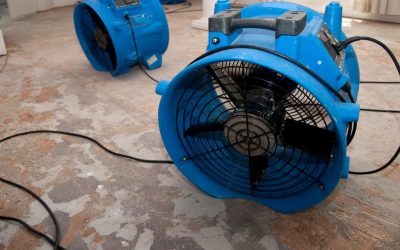
- Increase airflow with fans, but aim them to move air across wet surfaces, not just around the room.
- If safe, open affected areas (remove toe-kicks, pull baseboards, lift corners of carpet) to let trapped moisture escape.
If the smell persists and you suspect water is trapped inside walls, under flooring, or in crawlspaces, professional water damage restoration equipment and moisture mapping can make the difference. This is also where mold removal & remediation may become necessary if growth has started.
Step 4. Clean residues the right way
Deodorizing works much better after proper cleaning. Smoke and water damage leave different kinds of residue, so they need to be handled differently.
For smoke damage, use dry-cleaning sponges or the appropriate soot-cleaning method before wiping. If soot is wiped the wrong way, it can smear and push particles deeper into the surface. Hard surfaces often need more than one cleaning pass with the right product and clean clothes.
For water damage, clean and disinfect hard, non-porous surfaces. If the water came from a backup, flood, or anything that looked or smelled dirty, treat it as contaminated. That kind of situation may call for sewage cleanup or flood damage restoration.
Step 5. Use proven deodorizing methods
1) Activated charcoal
Put charcoal bags, or even little trays of charcoal, in the rooms that seem sort of affected. Leave them there for a few days. This approach works slowly, but in a real way it can help pull out those stubborn, lingering smells after you’ve finished cleaning up.
2) HEPA air filtration
A true HEPA air scrubber can capture particles that keep odor in the air. Change filters as needed. If the filter starts to smell, that usually means it’s catching what it should, but it also means it needs to be replaced.
3) Dehumidification
Even after the drying process, humidity can bring that smell back. So try to keep indoor moisture levels under control, especially when it’s that humid New England weather.
4) Enzyme-based cleaners
They break down organic material. Follow the label and test a small spot first.
5) Thermal fogging or ozone treatment
These treatments can seep into porous materials, but they really need to be handled carefully, and only under conditions that are properly controlled. In actual practice, you can’t just slap them on all casual, like it’s nothing, you know.
Candles, incense, and heavy fragrances might make the space smell better for an hour. They won’t solve the real issue, and they can make it harder to figure out where the odor is actually coming from.
What to do if the smell keeps coming back
If the odor returns, something was probably missed.
For a musty smell, go back and re-check the humidity and dry a bit, especially if it’s in basements or crawlspaces. Also look for moisture tucked away around plumbing, next to windows, and along exterior walls. Slow leaks don’t always make clear puddles, so leak detection can be pretty helpful here, even if things seem fine at first.
For smoke odor, check the HVAC system and replace the filters again, and just to be sure, look around a bit more. Also, see if there’s soot sitting on top of the cabinets, inside the light fixtures, and along those textured ceilings. These kinds of places can trap that residue, and then it just keeps building up over time. Some of the porous materials might need a second scan too. You can often wipe some of it clean, but if it’s stubborn, it may take proper removal or scrubbing, so don’t just leave it.
For sewage or dirty water smells, don’t treat it like a simple odor problem. That smell can point to contamination. Professional sewage cleanup and proper sanitizing may be needed.
When to call a restoration professional (and why it matters)
Some odor issues are kind of basic. But others can suggest damage that sneaks in and worsens quietly, especially in older homes, finished basements, or commercial buildings with larger HVAC systems.
Consider bringing in professional help if:
- The odor lasts more than a few days after thorough cleaning and drying.
- You suspect moisture inside the walls, under the flooring, or in the insulation.
- You had a significant event, such as a storm, flood, or fire damage.
- You see staining, warping, or paint that’s bubbling (that can point to an ongoing water problem)
- The smoke odor is strong, widespread, or returns after cleaning.
- You run a business, and you need a quick, traceable “return to normal” with commercial restoration, not just a temporary fix.
Call a restoration professional if the smell lasts more than a few days after cleaning and drying. It’s also smart to get help if you suspect moisture inside walls, under floors, or in insulation.
A simple plan for this week
Start by fixing the source. Turn off the water if it seems needed, then set up a leak detection appointment if the actual cause isn’t clear yet. Before you do anything else, confirm the area where there is fire or smoke damage is safe and protected, ok.
Next, get rid of porous items that usually can’t be saved, like carpet padding, soaked insulation, or cut-up sections of drywall. Let the area dry thoroughly for several days using dehumidifiers and steady airflow. Clean any residue carefully, without pushing it around. Don’t smear soot, and disinfect the relevant surfaces after any water damage.
After that, run HEPA filtration and place activated charcoal in the affected rooms. Check hidden spots like HVAC vents, cabinets, closets, and areas behind furniture.
If the odor still won’t go away, it’s time to bring in professional odor removal and restoration services.
Those odors after water or smoke damage are so frustrating. If you strip away what can’t be saved, make sure the structure dries all the way, handle the leftover residue properly, then deodorize, the area can go back to smelling normal more often. But if the smell keeps showing up again and again, it usually means moisture, residue, or some kind of contamination is still tucked away somewhere, not just “gone.” A trained restoration crew can track it down and fix it properly.