All Dry Services: North Shore Boston & Southern NH


 60 Min Response Time

Fire Damage Restoration in Greater Boston: Emergency Board Up to Complete Rebuild
A fire turns your day upside down in minutes. Once everyone is safe and the flames are out, the next question is usually the same: What do we do now? If you’re dealing with fire damage restoration in Greater Boston, the right next steps can prevent additional loss and speed up the path back to normal.
This guide helps you understand the process. It covers everything from emergency board-ups to full rebuilds. You’ll discover what to document, what to skip, and when to bring in experts for fire, smoke, water, and odor issues.
First things first: safety, access, and documentation
Make sure that the premises are secure before continuing. This is due to the likelihood that the fire may have compromised structural components, such as the floor, stairs, and roof, while smoke particles may irritate the respiratory system.
Once it’s safe to enter, focus on three priorities:
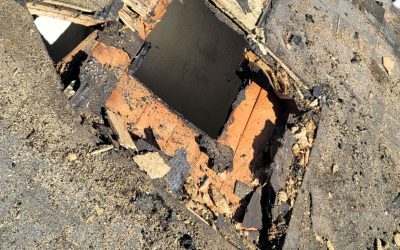
- Secure the site: If doors, windows, or the roof are compromised, emergency board-up and temporary coverings help prevent weather exposure and unauthorized entry.
- Document everything: include wide shots of each room and close-ups of damaged items. Suppose you can get serial numbers. This helps with insurance and planning the scope of the restoration.
- Don’t cross-contaminate: soot travels. Seal off unaffected rooms. Do not operate your HVAC systems, as smoke particles can be spread through the ductwork.
In many Greater Boston homes, firefighting efforts also leave behind significant water. That means water damage restoration or flood damage restoration may be needed alongside fire and smoke cleanup, sometimes starting the same day.
Fire damage restoration in Greater Boston: a step-by-step plan
The fire restoration process is most effective when carried out sequentially. Omitting any step or performing the process incorrectly will cause problems in the future.
Step 1: Get an emergency assessment and stabilization
What did the heat damage? What did the smoke damage? What did water damage? “A professional will help evaluate that. Stabilization may involve boarding up, tarping, and creating safe passages through the property.
It is here that the restoration requirements for a commercial setting may differ from those for a residential setting, as the commercial entity may need faster stabilization.
Step 2: Address water and moisture immediately
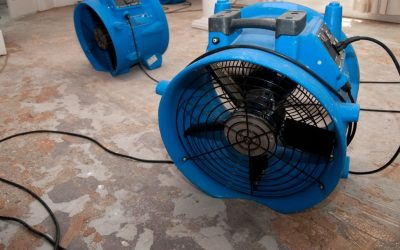
If water was used to fight the fire, drying must commence immediately afterward. The dampness of drywall, insulation, and the floor poses a risk of mold growth during wet seasons.
Depending on what happened, the work may fall under:
- Localized damage to wet materials and drying
- Flood damage repair services are required if water spreads widely throughout the lower levels or more than one room
- Leak Detection services if an existing problem in pipes or appliances is suspected
Despite the surface being dry, water could still be stored within the walls or under the floors. Proper moisture mapping will help prevent future problems, such as swelling or mold.
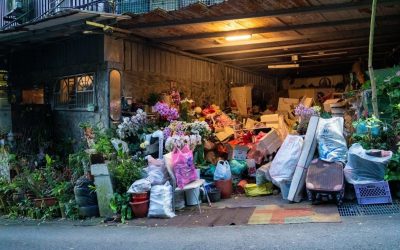
Step 3: Remove debris and unsalvageable materials
Sometimes, controlled demolition is essential. This will ensure that burned drywall, blackened framing, and soaked insulation are removed, as they cannot all be cleaned.
If backup or contaminated water was involved during firefighting or sprinkler discharge, sewage cleanup may also be required before rebuilding can safely begin.
Step 4: Smoke damage restoration and soot cleanup
Smoke can spread in places you may not notice. It includes the cracks, electrical outlets, attics, and other similar areas. The deposition of the smoke results in stains on these surfaces. Soot removal is a process of removing stains caused by soot from various hard surfaces.
Common areas that need special attention include:
- Ceiling areas and upper walls (smoke rises)
- Insides of cabinets and drawers
- Electrical equipment and appliances (buildup causes rusting)
- Attics, basements, and crawl spaces where smoke collects
One may feel like cleaning the soot themselves; however, using the wrong solution will smear the soot and create permanent stains. The technique used to clean will depend on the type of surface and soot that you have.
Step 5: Odor removal that actually lasts
Scent is always one of the last senses to leave, and one of the first that you pick up once you return. Odor elimination is much more complex than covering it up.
The odor can get trapped in:
- Floor covering and padding
- Furniture and draperies
- Wood frame and subfloor
- Insulation and HVAC system
The persistent odor is always an indication that soot is trapped inside and/or that some material has not been properly dried. Therefore, the best approach is odor elimination together with smoke cleaning.
Step 6: Prevent mold after the fire is out
Surprisingly, mold can become another disaster that follows a fire. This is because water used to put out fires, soot, and other materials left behind make an excellent breeding ground for mold.
It may be necessary to remove and clean mold when the substances have been left moist for too long or when water has seeped into the walls. If you smell any mustiness or notice new stains, do not hesitate to contact us.
Emergency board up: what it includes and why it matters
In Greater Boston and Southern New Hampshire, the weather can change quickly. A broken window or exposed roof isn’t just a security issue. It’s an open invitation for rain, snow, and wind to cause additional damage.
Board-up for emergencies will consist of:
- Securing doors and windows
- Placing materials over the openings on the roof
- Restricting access to hazardous areas
Board-up not only protects the property from any damage but is also essential for the efficient scheduling process.
Actionable checklist: what you can do in the first 24 hours
Here’s a list of tasks you can begin immediately after a fire to help yourself and many others:
- Ensure the building is safe to re-enter and shut off utilities if necessary.
- Call your insurance carrier and start a claim; ask what documentation they need.
- Take photos and videos before moving items.
- Secure the property with emergency board-up if openings exist.
- Remove valuables only if it’s safe and won’t compromise the claim’s safety.
- Don’t activate the HVAC system until the problem of residual smoke is taken care of. If there’s any standing water, minimize foot traffic and organize water extraction.
- Maintain an easy record of conversations and costs.
One more tip: don’t throw away damaged items until your insurer confirms what they need for inspection. When in doubt, document first.
When “lean up” turns into rebuild planning.
Some fires produce only smoke and smell; others require stripping out walls, floors, and other components. Even if your car isn’t a total rebuild, restoration may involve replacing materials that can’t be restored.
An effective plan must include:
- Scope: Rooms impacted by fire, smoke, and water.
- Timing: Drying and cleaning up smoke occur before any repairs.
- Undisclosed damages: Smoke in the attic, water beneath the floor, or contamination in the cavity areas.
- Special situations: If a storm contributed to the event (downed lines, roof damage), storm damage restoration may be part of the overall solution.
For businesses, commercial restoration planning may also include coordinating work around occupancy needs and minimizing downtime while still fully addressing smoke, odor, and moisture.
Fire recovery can feel overwhelming, but you do not have to handle it all. Recovery after a fire may seem overwhelming, but it does not mean that everything has to be done at once. The most efficient way to move forward is to do things one at a time and view the damage from smoke, water, and odor as a cohesive problem. Begin by securing the property, then drying, cleaning, and removing damaged items, and finally removing odors. Don’t just do up the damage, bring your property back to life.
Our team is ready to help you move from emergency board-up to a safe, clean, and comfortable space again. Contact us today for fast fire damage cleanup and restoration.
To stay current with us, please follow our Facebook page.