 All Dry Services of Florida Gulf Coast

 60 Min Response Time
Ozone Treatment in Florida Gulf Coast


Local Ozone Treatment Professionals You Can Trust
Professional Ozone Treatment Services
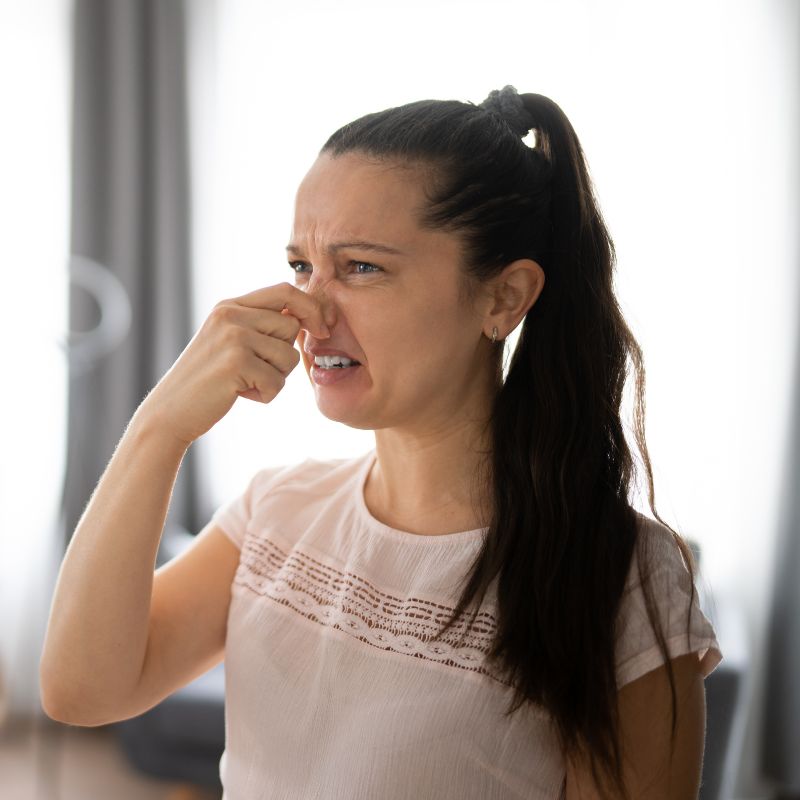
Persistent odors can remain inside a property long after the original source has been removed. Smoke, tobacco, cooking, pet, and other strong odors may penetrate drywall, flooring, furniture, fabrics, and additional porous materials, making ordinary cleaning products or air fresheners ineffective.
All Dry Services of Florida Gulf Coast provides professionally managed ozone treatment as part of a comprehensive odor-removal plan when appropriate for the property. Our team first inspects the affected areas, identifies the likely odor source, and determines whether ozone treatment is a suitable option.
Ozone treatment must take place in a controlled, unoccupied environment. People, pets, and plants must remain outside the treatment area until the equipment has been turned off, the property has been properly ventilated, and our technicians confirm that reentry is appropriate.
Call us at 239-228-1177 to schedule an odor assessment and discuss your ozone treatment options.
How Does Professional Ozone Treatment Work?
Ozone is a highly reactive gas that may interact with certain odor-causing compounds. Because ozone can be harmful when inhaled, treatment should be planned and performed by trained professionals using appropriate procedures.
Our ozone treatment process may include:
Property and Odor Inspection
We inspect the property to determine where the odor originated, how far it has spread, and which surfaces or materials are affected. We also look for moisture, smoke residue, contaminated materials, or other conditions that must be addressed before treatment.
Odor-Source Removal
Ozone treatment is not a substitute for removing the source of an odor. Before treatment, we may recommend cleaning affected surfaces, disposing of unsalvageable materials, removing smoke or soot residue, addressing moisture, or completing other restoration work.
Property Preparation
People, pets, and plants must leave the treatment area. Certain belongings, sensitive materials, and items made from materials that may react with ozone may also need to be removed or protected. Our technicians prepare and isolate the treatment area before operating the equipment.
Controlled Ozone Application
Professional ozone-generating equipment is positioned according to the size and condition of the affected space. The property remains unoccupied while the treatment is underway.
Ventilation and Reentry
After the treatment cycle, the equipment is turned off and the treated area is ventilated. No one should reenter the space until the required ventilation period has passed and our team advises that the property is ready.
Final Odor Evaluation
We inspect the treated area and evaluate the results. Depending on the odor source and the materials involved, additional cleaning, deodorization, material removal, or another treatment method may be recommended.
When May Ozone Treatment Be Considered?
Ozone treatment may be considered as one part of a broader odor-removal process when smells remain after the original source and contaminated materials have been addressed.
Situations that may require a professional odor assessment include:
- Lingering smoke odors after a property fire
- Tobacco or cigar odors in walls, flooring, or furnishings
- Strong cooking odors that have penetrated porous materials
- Persistent pet odors after cleaning and source removal
- Odors left behind in rental or vacant properties
- Musty smells after water damage has been dried and corrected
- Odors associated with certain contents or stored materials
- Unpleasant smells that return after routine cleaning
- Odors affecting multiple rooms or enclosed spaces
- Strong smells embedded in upholstery, carpet, or unfinished wood
Not every odor problem is appropriate for ozone treatment. Sewage, active mold, moisture, smoke residue, animal waste, decomposing material, and other contamination must be properly removed or remediated rather than covered or treated with ozone alone.

Get Help Now:
Call us at 239-228-1177 or use the form below to tell us more about your situation. We’re always happy to help!
Personalized Disaster Cleanup Services
Restoration Expertise You Can Count On
24/7 Emergency Services
We Are Locally Owned and Operated
Free & Transparent Estimates
100% Satisfaction Guaranteed
Get Your Property Restored
Restore Your Property the All Dry Way
1
Reach Out For Help
Contact us to schedule a time for our technicians to inspect your property.
2
Get Your Personal Plan
We’ll provide you with a personalized plan to restore your property.
3
Book Your Service
Schedule a day for the All Dry team to begin restoration and cleanup work.
4
Return to Normal
We remove all damaged materials and help you get back to normal.
Choose a Controlled Professional Process
Why Ozone Treatment Requires Professional Care
Ozone is not an ordinary cleaning product. It is a reactive gas and lung irritant that must not be inhaled. Even relatively low exposure can cause coughing, throat irritation, shortness of breath, chest discomfort, or worsening of respiratory conditions such as asthma.
Improper or unnecessary ozone-generator use may create several concerns:
Unsafe Occupant Exposure
Ozone treatment must never be performed while people or animals remain in the treated area. The space must stay vacant during treatment and be appropriately ventilated before reentry.
Incomplete Odor Removal
Ozone cannot correct an active odor source. Mold, sewage, pet waste, moisture, smoke residue, and contaminated materials must be cleaned, removed, dried, or remediated as appropriate.
Potential Material Damage
Ozone may affect rubber, certain plastics, fabrics, dyes, electrical components, artwork, and other sensitive materials. Property contents should be evaluated and protected before treatment.
Unwanted Chemical Reactions
Ozone may react with chemicals already present indoors and create additional compounds. This is one reason the property must be inspected and prepared before treatment rather than relying on an unattended consumer device.
Misuse as an Air-Cleaning Substitute
Ozone should not be marketed or used as a routine air purifier in an occupied home or workplace. The EPA states that no federal agency has approved intentional ozone generators for use in occupied spaces.
Professional assessment, source removal, surface cleaning, ventilation, and appropriate deodorization methods remain the foundation of effective odor remediation.
Trust the Odor-Removal Professionals at All Dry Services
Persistent odors can come from many different sources, and selecting the correct treatment requires more than placing a machine in the room. The source must be identified, affected materials must be inspected, and the property must be prepared before ozone treatment is considered.
At All Dry Services of Florida Gulf Coast, we approach ozone treatment as one possible step in a broader odor-removal process. Our technicians assess the condition of the property and may combine source removal, detailed cleaning, content treatment, ventilation, hydroxyl technology, or other deodorization methods based on what the situation requires. The company’s existing odor-removal page also identifies ozone generators and hydroxyl technology among its odor-neutralization methods.
Ozone treatment is not appropriate for every property or every type of odor. Our team will inspect the situation and explain the safest and most suitable options before work begins.
Call 239-228-1177 to schedule an odor assessment with All Dry Services of Florida Gulf Coast.
Got Questions? We Have Answers
Frequently Asked Questions
What is ozone treatment?
Ozone treatment uses specialized equipment to generate ozone gas inside a controlled, unoccupied space. Ozone may react with certain odor-causing compounds, so it is sometimes used as one part of a professional odor-removal process.
Is ozone treatment safe?
Ozone should not be inhaled and is not safe for use around occupants. People, pets, and plants must leave the treatment area. The property must also be ventilated before reentry. The EPA identifies ozone as a lung irritant and advises against using intentional ozone generators in occupied spaces.
Can I stay in my home during ozone treatment?
No one should remain in the active treatment area. Depending on the extent and location of the treatment, occupants may need to leave the entire property. Our team will explain the vacancy and reentry requirements before service begins.
How long does ozone treatment take?
Treatment time depends on the size of the space, the source and severity of the odor, the materials affected, and the preparation required. Additional time is needed afterward for ventilation and evaluation. A more specific schedule can be provided after an inspection.
Is ozone treatment the same as air purification?
No. Ozone treatment is a controlled odor-treatment process performed in an unoccupied space. Ozone generators should not be used as routine air purifiers around people or pets. For occupied spaces, source control and ventilation are generally central indoor-air-quality measures.