All Dry Services of North Denver & Boulder

 60 Min Response Time
Professional Fire Damage Cleanup in Lafayette, CO
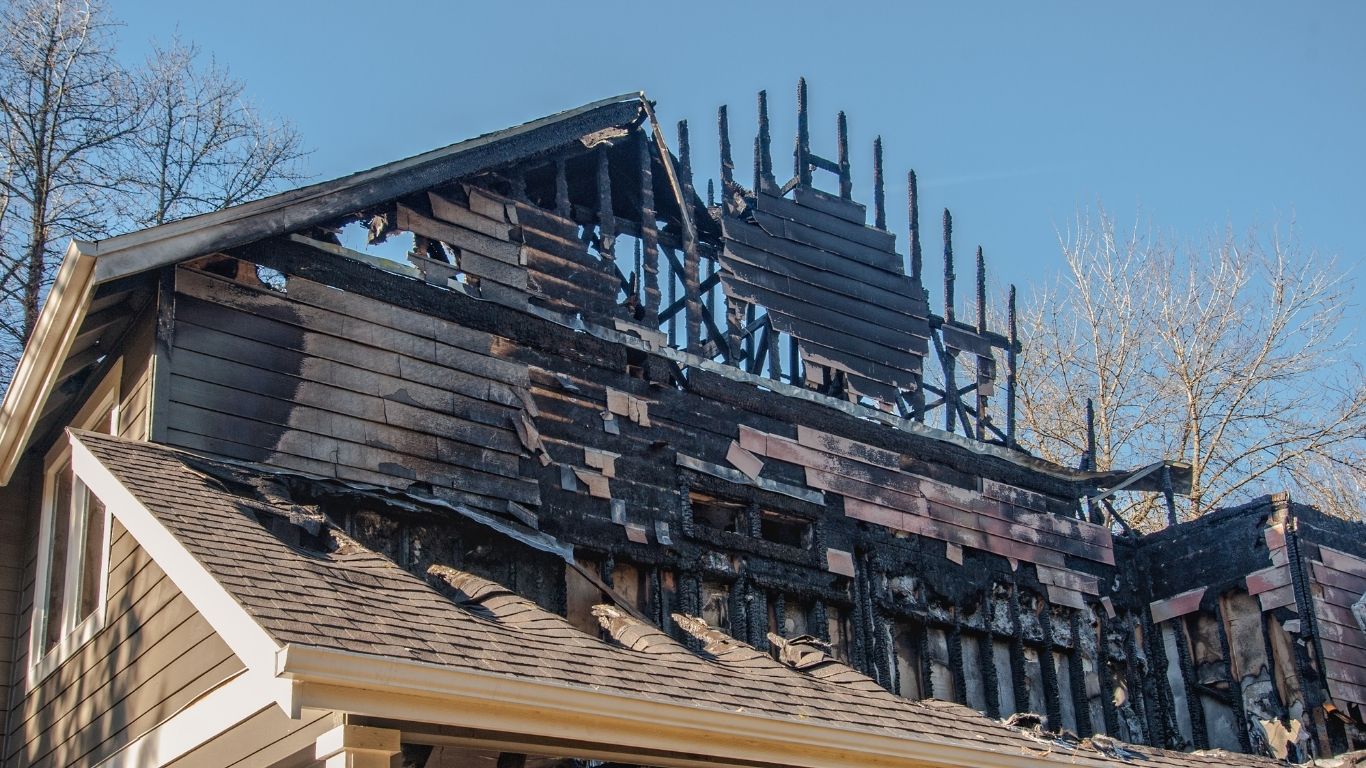
After the flames are out, it can feel like the worst is over. In reality, cleanup may have just begun. Smoke can spread far beyond the burned area, soot can settle on surfaces throughout the property, and firefighting water can create another layer of damage. That’s why fire damage cleanup in Lafayette, CO involves much more than removing charred materials.
At All Dry Services of North Denver & Boulder, we understand how overwhelming the aftermath can feel. Homeowners and business owners often ask what can be saved, what needs cleaning, and what to do next. A professional assessment can help you sort it all out and move forward with a practical plan.
What Happens After a Fire?
Fire Damage Goes Beyond Burned Areas
Fire can harm walls, ceilings, floors, furniture, and other items. Heat can also affect materials that weren’t directly touched by the fire.
Smoke creates another concern. It can travel through rooms, settle on surfaces, and reach areas far from where the fire started. This means a room with little visible fire damage may still need careful cleaning.
Smoke and Soot Can Keep Causing Problems
Soot isn’t just ordinary dirt. It can leave stains, odors, and residue on walls, ceilings, furniture, and other surfaces.
Smoke odors can also settle into porous materials such as fabrics, carpets, upholstery, and wood. Simply opening windows or using air fresheners may not remove the source.
Firefighting Water Can Add Damage
Putting out a fire often requires a large amount of water. That water can soak into floors, walls, insulation, and furniture.
If moisture remains trapped, it can contribute to material deterioration, odors, and mold growth. A proper restoration plan needs to address both fire and water damage.
What Professional Fire Damage Cleanup in Lafayette, CO Includes
Inspection and Damage Assessment
The first step is understanding the full scope of the damage. Professionals inspect areas affected by flames, smoke, soot, heat, and water.
They look beyond what is immediately visible to identify materials that may need cleaning, drying, repair, or replacement. This assessment helps create a practical restoration plan.
Smoke and Soot Removal
Smoke residue can affect many different surfaces, and each material may require a different cleaning approach.
Professionals use specialized cleaning methods to remove soot while reducing the risk of causing additional damage. They may clean walls, ceilings, floors, furniture, and other salvageable items.
Odor Removal
Smoke odors can linger long after the visible residue disappears. You can notice it in carpets, fabric seats, drywall, and other materials that soak up smells.
Professional deodorization treats the source of the odor instead of simply covering it with fragrance. The right approach depends on the type and extent of smoke damage.
Water Extraction and Drying
If firefighters used water to control the fire, restoration crews may need to remove standing water and dry affected materials.
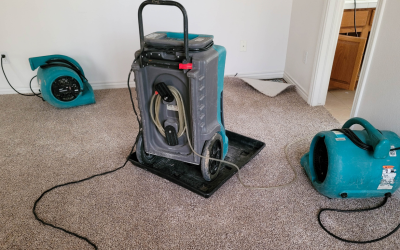
Professional air movers and dehumidifiers can help remove moisture from the air and building materials. Moisture monitoring helps determine whether affected areas have dried properly.
Cleaning and Restoration
After a fire, some belongings and building materials may remain salvageable. Others may require removal because of severe damage or contamination.
A professional team can evaluate affected items and determine whether cleaning, drying, repair, or replacement makes the most sense.
| Type of Damage | Typical Cleanup Focus |
| Fire and heat | Remove damaged materials and assess affected areas |
| Smoke | Clean affected surfaces and materials |
| Soot | Specialized surface cleaning |
| Water | Extraction, drying, and moisture control |
| Odors | Professional deodorization |
| Personal belongings | Cleaning, drying, or restoration when possible |
Why Professional Cleanup Matters After a Fire
Hidden Damage Can Be Easy to Miss
A fire doesn’t always leave its biggest problems in plain sight. Smoke can enter wall cavities, ceilings, and ventilation systems. Water can remain beneath flooring or inside walls.
That’s why a property can look relatively clean while still needing significant restoration work.
The Right Equipment Makes a Difference
Fire and smoke restoration often requires equipment that most homeowners don’t keep around the house.
Professionals may use moisture meters, air scrubbers, dehumidifiers, specialized cleaning equipment, and other restoration tools. These tools spot issues that are not obvious and support a more thorough cleanup.
Different Materials Need Different Care
Wood, metal, drywall, fabric, flooring, and electronics don’t all respond to fire and smoke in the same way.
Using the wrong cleaning method can cause additional damage. A professional assessment helps determine the right approach for each affected material.
Why You Shouldn’t Wait to Start Fire Damage Cleanup
Smoke Damage Can Get Worse
Soot and smoke residue can continue settling on surfaces after the fire ends. Over time, residue may become harder to clean, and odors may become more deeply embedded.
Starting cleanup sooner can help limit the effects of lingering smoke and soot.
Moisture Can Create Additional Problems
Firefighting water can leave areas damp long after the event. When moisture remains trapped, materials may deteriorate, and mold can become a concern.
Drying affected areas early helps reduce these risks.
Delays Can Increase Restoration Work
The longer smoke, soot, and moisture are left untreated, the more difficult the cleanup may become. Materials that might have been cleaned or restored could deteriorate further.
An early assessment doesn’t guarantee everything can be saved, but it gives property owners a better understanding of the situation sooner.
What Should You Do After a Fire?
Wait Until the Property Is Safe
Don’t rush back into a fire-damaged property. Structural damage, electrical hazards, hot materials, and other dangers may remain after the flames are gone.
Follow instructions from firefighters and emergency personnel before entering.
Avoid Cleaning Soot Yourself
Aggressive scrubbing can spread soot or push residue deeper into some materials. Household cleaners may also react poorly with certain surfaces.
If the property has extensive smoke or soot damage, have the affected materials assessed before attempting major cleanup.
Document the Damage
Once the property is safe, take photos and videos of damaged rooms, surfaces, and belongings. Keep notes about what happened and when.
Keeping records can make it easier to talk with your insurance company and the people doing repairs.
Get a Professional Assessment
An early assessment helps identify the different types of damage and determine what needs immediate attention.
At All Dry Services of North Denver & Boulder, we know that having clear information can make the aftermath feel less overwhelming. Understanding the condition of the property is an important first step toward getting life back to normal.
Frequently Asked Questions About Fire Damage Cleanup
How soon should fire damage cleanup begin?
Start cleanup as soon as the property is safe to enter. Early attention can help limit smoke, soot, and moisture damage.
Can smoke damage affect rooms the fire didn’t reach?
Yes. Smoke can travel through open spaces and ventilation systems and settle on surfaces far from the original fire. Even if you do not see flames in a room, that area may still require cleaning.
Can smoke odors be removed completely?
Professional deodorization can significantly reduce or eliminate many smoke odors by treating affected materials and the odor source. Results depend on the severity and extent of the damage.
Does fire damage cleanup include water damage?
It can. When firefighting efforts leave standing water or soaked materials, water extraction and drying often become part of the restoration process.
Moving Forward After Fire Damage
The end of a fire doesn’t always mean the end of the damage. Smoke, soot, odors, and water can continue affecting a property after the flames are gone.
Professional fire damage cleanup in Lafayette, CO addresses these different concerns together. A careful process can help identify hidden damage, clean salvageable materials, remove excess moisture, and determine what needs repair or replacement.
At All Dry Services of North Denver & Boulder, we understand that property owners want straightforward information during a difficult time. The goal isn’t to make the situation more complicated. It’s to understand what happened, address the damage, and help move the property toward a safe and comfortable condition again.
If your property has experienced a fire, taking the cleanup one step at a time can make the recovery process feel much more manageable.
To stay current with us, follow our Facebook and Instagram pages.