All Dry Services of Connecticut

 90 Min Response Time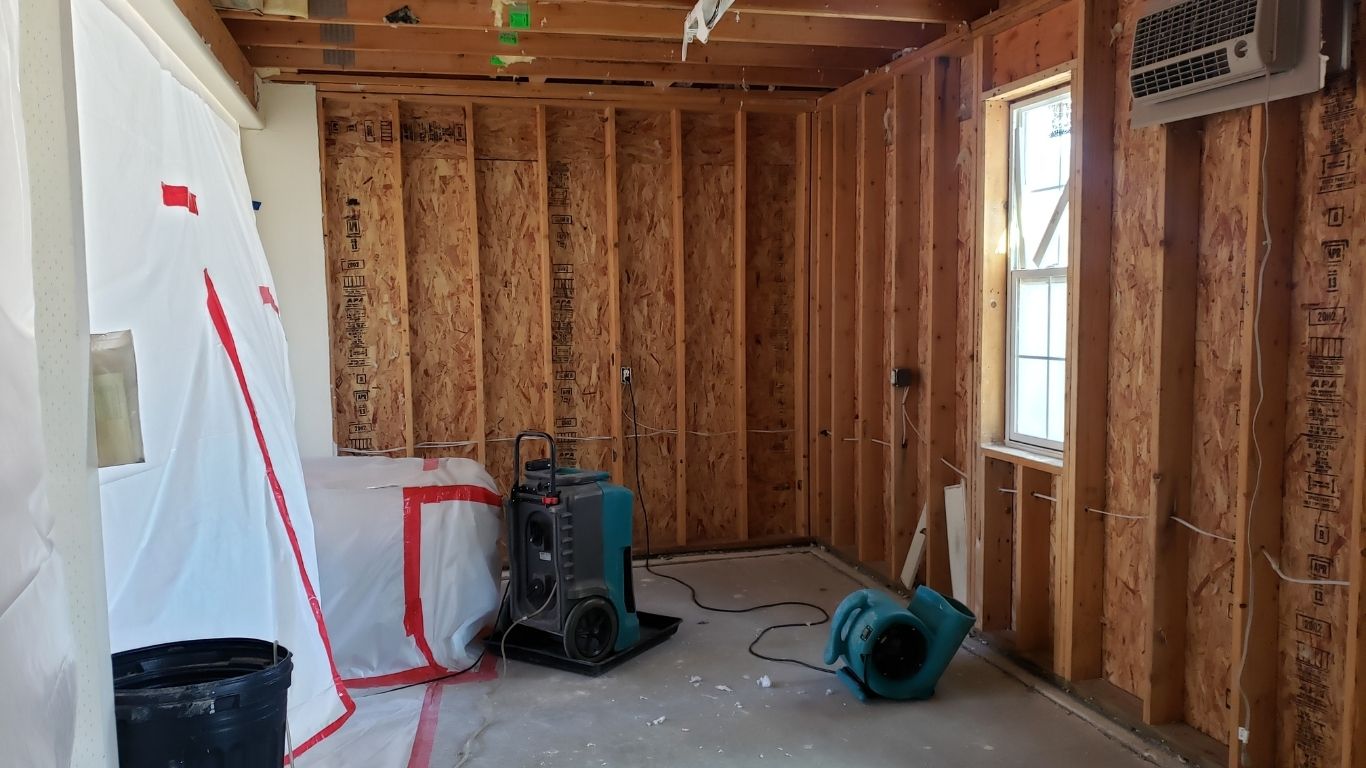
Restoring Safe Humidity with Water Damage Restoration in Fairfield, CT
A burst pipe, roof leak, or flooded basement can leave more than a wet floor behind. Moisture can stay in walls, floors, and other areas of your home even after standing water is gone. That extra moisture can raise indoor humidity and create new problems if you don’t address it. Water damage restoration in Fairfield, CT removes hidden moisture. It makes your indoor space comfortable again. At All Dry Services of Connecticut, we know that drying well is more than just wiping surfaces. It takes careful work and attention. It requires finding moisture, removing it, and making sure it doesn’t stick around.
Why Humidity Matters After Water Damage
Humidity refers to the amount of moisture in the air. After water damage, humidity goes up. Moisture evaporates from wet floors, walls, furniture, and other materials. If that moisture stays trapped inside your home, the drying process can take much longer.
When the air is damp, mold can start growing. Things that stay damp often give off a musty smell. Over time, damp materials can break down. Wood can swell or twist out of shape. Even if the surface looks dry, drywall and insulation may still hold water.
Humidity control is key for water damage restoration in Fairfield, CT. Removing visible water is only the beginning. The real aim is to dry the building materials and bring moisture levels back to normal.
Where Hidden Moisture Can Linger
Behind Walls and Ceilings
Water can slip through tiny cracks and joints. It then moves until it sits inside the wall or up in the ceiling. A plumbing leak can cause a small surface stain. But the moisture often spreads much farther behind it.
You may not notice the problem right away. The wall could feel dry while moisture remains inside. This hidden dampness can eventually cause odors, staining, or material damage.
Under Floors and Inside Subfloors
Flooring can hide moisture particularly well. Water can seep under carpet, hardwood, or laminate. It can get trapped against the subfloor.
This can lead to swelling, warping, and unpleasant smells. Sometimes, the flooring may seem fine at first. So, checking for moisture is crucial.
Basements and Other Low Areas
After a hard rain, basements can start taking on water. Plumbing leaks can cause the same problem, as can poor drainage. Even after water is gone, concrete can still hold moisture. Walls, flooring, and stored items can also retain moisture.
A damp basement can also affect humidity throughout the rest of the home. Drying and dehumidifying can stop moisture from turning into a bigger issue.
How Water Damage Restoration Brings Humidity Under Control
Inspection and Moisture Detection
The first step in restoration is figuring out what caused the moisture. Trained workers assess what you can see, then check spots where water might be hiding.
Moisture meters and other detection tools can find damp materials that seem dry. This info helps techs see which areas need work and how much drying the property needs.
Water Extraction
If standing water remains, technicians remove it using professional extraction equipment. Removing water quickly limits how much moisture surrounding materials absorbs.
Extraction also reduces the amount of water available to evaporate into the air. That gives the drying process a better starting point.
Structural Drying
After workers remove all standing water, they turn the drying work to the structure. Drying teams use air movers to move air over the wet areas. This helps moisture evaporate from the building materials.
This process can reach areas that household fans may not adequately dry. Technicians can adjust equipment. They base changes on the materials and conditions in each area of the home.
Dehumidification
When damp items start to dry, the extra moisture does not vanish. It moves into the surrounding air. That is why people use dehumidifiers. They pull that moisture out of the air. With less moisture in the air, the drying process can continue.
Humid air can slow things down. Without dehumidification, moisture can stick around longer. This step plays a major role in effective water damage restoration in Fairfield, CT.
Monitoring and Final Checks
Don’t dry things by guessing. Professionals check moisture levels during the job, then change settings if the readings say it’s needed.
When the restoration is nearly done, technicians go back to the same spots and check again. This helps confirm the material is actually dry through, not only on the top.
Why Proper Humidity Control Helps Prevent Secondary Damage
Water damage can create a chain reaction when moisture remains inside the home. Controlling humidity helps break that cycle.
Excess moisture may contribute to:
- Mold growth in damp areas
- Musty or stale odors
- Swelling or warping in wood materials
- Damage to drywall and insulation
- Longer drying and repair times
Addressing moisture early can reduce the chance of these problems developing. Professional restoration examines all moisture, not just where you see water.
Common Mistakes Homeowners Make After Water Damage
It is easy to think a home is dry just because you can no longer see water. Even then, dampness may still sit inside walls, under floors, and in other materials.
Another common mistake involves using household fans without checking moisture levels. Fans can move air, but they may not offer enough airflow or moisture control after major water damage.
Some homeowners also close up affected areas too soon. Painting, replacing flooring, or covering a wall too soon can trap moisture. Let the surface dry fully first.
Watch for signs that something isn’t quite right. Musty smells, condensation, stains, or warped materials can all signal that moisture remains.
How All Dry Services of Connecticut Approaches Water Damage Restoration
At All Dry Services of Connecticut, we know water damage is already stressful. You should not have to guess what will happen next. That’s why we focus on finding moisture first, then building a drying plan around what we discover.
Our approach can include water extraction, structural drying, dehumidification, cleaning, and restoration. We use professional equipment to help identify and remove moisture from affected areas.
We also explain what’s happening along the way. Homeowners shouldn’t have to guess whether a wall is dry or wonder why equipment needs to stay in place. Clear information makes the process easier to manage.
How Fairfield Homeowners Can Keep Indoor Moisture Under Control
You can cut down on damp problems near your house. Fix any plumbing leaks right away when you spot them. Also, keep gutters clear so leaves and other junk do not block them. After a hard rain, look up at the roof and check for harm. In bathrooms and kitchens, run the exhaust fan to push the wet air out.
A dehumidifier can also help in damp areas such as basements. Watch for signs of excess moisture, especially after a leak or flood.
If a moisture problem keeps coming back, don’t just treat the visible symptom. Finding the source can help prevent the same issue from happening again.
Getting Your Home Back to a Comfortable Humidity
Getting water out is only the first part of water damage recovery. You also need strong drying steps. That means pulling out moisture with proper extraction, then drying the structure itself. Dehumidifiers also help keep the air dry. Together, these steps can help your home feel comfortable again.
Water damage restoration in Fairfield, CT helps homeowners fix damage they can see. It also deals with moisture they can’t see. At All Dry Services of Connecticut, a good restoration does more than clean. It should also give homeowners something extra. It should leave them confident that the moisture problem got the attention it needed.
To stay updated with us, please follow our Facebook page.