 All Dry Services of Central Mass

 60 Min Response Time
Commercial Restoration Guide for Business Owners in Chelmsford
Running a business comes with plenty of surprises. A flooded storage room, broken pipe, small fire, or mold problem shouldn’t be one of them. When property damage happens, knowing what to do next can save time, money, and stress. This guide to commercial restoration for Chelmsford business owners explains the recovery process in plain English.
At All Dry Services of Central Mass, we understand that problems can escalate rapidly. Water could travel beneath floors, smoke could fill areas distant from the fire, and mold could develop in concealed locations. This is where quick action counts.
What Is Commercial Restoration?
Commercial restoration involves cleaning, drying, repairing, and restoring a business property after damage. It covers more than basic cleanup. The goal is to make the property safe and usable again while helping the business return to normal.
A restoration project may include:
- Removing standing water
- Drying walls, floors, and ceilings
- Cleaning smoke and soot
- Removing mold
- Treating strong odors
- Cleaning sewage or other unsafe materials
- Repairing damaged building materials
Commercial jobs often require extra planning. A store, office, restaurant, warehouse, or medical building may need to stay partly open during repairs. Restoration teams must also protect inventory, equipment, records, and customer areas.
Common Causes of Commercial Property Damage
Business properties can face damage at any time of year. New England weather adds a few extra risks, especially during winter freezes and heavy summer storms.
Water and Plumbing Problems
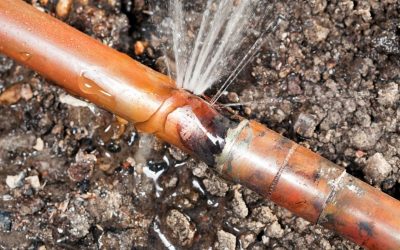
Water damage often starts with a leaking pipe, a broken water heater, a damaged roof, or an overflowing toilet. A frozen pipe can also burst during a cold Chelmsford winter.
A slow leak can be devastating. The water may seep unnoticed into the drywall, insulation, carpeting, and wooden walls. This is why you should never disregard any staining, musty odors, or increased water bills.
Fire, Smoke, and Soot
A fire doesn’t have to destroy a building to cause serious damage. Smoke can travel through vents and hallways. Soot can settle on computers, furniture, walls, and products.
Smoke odors also tend to stick around. Regular cleaning products may cover the smell for a while, but they usually won’t remove the source.
Mold Growth
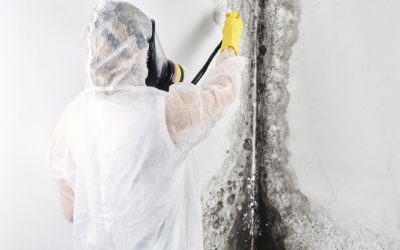
The growth of mold requires moisture. Mold develops after leaks, floods, or drainage problems occur. Mold can develop behind walls, under floors, above ceiling tiles, or near HVAC systems.
You may notice spots, staining, or a musty smell. Staff members may also report that the air feels damp or uncomfortable. Fixing the moisture source matters just as much as removing the mold.
Storm and Sewage Damage
Rain may seep in through roofs, doors, basements, and broken windows. A sewage backup may cause sewage to seep into bathrooms, lower-level areas, and storage rooms.
In such scenarios, one must be cautious. Individuals should stay away from any place containing sewage, broken materials, electrical hazards, or damaged building materials.
What Should You Do Right After Damage?
The first few steps can affect the whole recovery process.
Keep People Safe
Move employees, customers, and visitors away from the damaged area. Don’t walk through standing water near electrical equipment. Don’t enter a room with heavy smoke, sewage, or signs of structural damage.
Call emergency services when there’s a fire, gas leak, electrical danger, or risk of injury.
Stop the Source When It’s Safe
Shut off the main water valve if a pipe has burst and you can reach it safely. Turn off damaged equipment. Place containers under minor leaks if there’s no electrical risk.
Don’t climb onto a damaged roof or enter an unsafe space. Leave risky work to trained professionals.
Document What Happened
Take photos and videos of the affected rooms, equipment, furniture, and inventory. Write down when you noticed the damage and what actions you took.
Keep receipts for emergency costs. Good records can make conversations with your insurance company much easier.
Contact a Restoration Company
The sooner the inspection starts, the easier it may be to limit further damage. A company that handles commercial restoration in Chelmsford properties should check visible and hidden areas, not just the obvious mess.
For example, a puddle in a hallway may also mean wet insulation behind the wall. Cleaning the floor alone won’t solve that problem.
What Happens During Commercial Restoration?
Every property is different, but most restoration projects follow a similar process.
Inspection and Planning
The restoration team examines the building, looks into safety concerns, and takes measurements of the damage. Moisture testing equipment can be used to discover water inside walls or under the floor.
The team prepares an action plan. This document must define issues that require urgent actions, materials that might be saved, and damaged areas.
Water Removal and Drying
Crews remove standing water with extraction equipment. They may then use air movers and dehumidifiers to dry the building.
Drying isn’t a guessing game. Teams should monitor moisture levels during the job. A surface can feel dry while moisture remains inside the material.
Cleaning and Material Removal
Some materials can be cleaned. Others may need removal, especially when they’ve absorbed sewage, heavy smoke, or long-term moisture.
Crews may clean surfaces, remove soot, treat odors, and sanitize affected areas. They should also protect parts of the building that didn’t suffer damage.
Repairs and Final Checks
The final stage may include replacing drywall, flooring, insulation, ceiling tiles, or trim. The restoration team should check the area again before finishing the job.
At All Dry Services of Central Mass, we believe clear updates matter throughout this process. Business owners already have enough to manage without having to wonder what’s happening inside their building.
How Can You Reduce Business Downtime?
Property damage can interrupt sales, appointments, deliveries, and daily work. A good recovery plan focuses on the building and the business.
Ask whether crews can work in sections or outside your busiest hours. Move staff and equipment to unaffected rooms when it’s safe. Let employees and customers know which areas are closed and when you expect updates.
Choose one person to communicate with the restoration team. This keeps instructions clear and reduces mixed messages.
For larger commercial restoration projects in Chelmsford, the business may need a temporary workspace. Keeping customer records, insurance papers, and key files backed up can make that move less stressful.
How Do You Choose a Restoration Company?
Look for a company with business experience, availability during emergencies, adequate insurance, and effective communication. Check whether it covers water, fire, smoke, mold, odor, storm, and sewage damage.
You should also ask:
- Who will perform the work?
- How will the company track moisture?
- Can work happen around business hours?
- Will you receive photos and written records?
- How will the team protect unaffected areas?
- What repairs are included in the estimate?
A trustworthy provider should answer questions without pressure or confusing language.
Prepare Before an Emergency Happens
You can’t prevent every pipe break or storm, but you can make recovery easier.
Label the building’s water and electrical shutoffs. Keep emergency contacts where managers can find them. Back up important data, photograph valuable equipment, and review your insurance policy each year.
It also helps to inspect roofs, drains, plumbing, and storage areas on a regular schedule. Small repairs now can prevent a much larger cleanup later.
When damage does happen, commercial restoration Chelmsford support can help your business move from confusion to a clear recovery plan. All Dry Services of Central Mass is here as a local resource, but no matter which provider you choose, act quickly, ask questions, and put safety first.
To stay current with us, please follow our Facebook and Instagram pages.