 All Dry Services of Central Mass

 60 Min Response Time
Stopping Winter Water Damage in Framingham, MA
Winter in Massachusetts can feel lovely with seasonal charm, but freezing temperatures, snow, and ice can challenge homeowners. From frozen pipes to ice buildup, cold weather can put your home at risk if you aren’t prepared. Taking steps to prevent winter water damage in Framingham, MA can help you avoid unexpected leaks, costly repairs, and stressful cleanup during the coldest months.
At All Dry Services of Central Mass, we understand how quickly winter-related water problems can disrupt your home. A small frozen pipe or unnoticed leak can lead to moisture inside walls, ceilings, and floors. If you know the common signs and what to do ahead of time, you can cut the risk before the cold weather comes.
Why Winter Creates Water Damage Risks
How Freezing Temperatures Affect Your Home
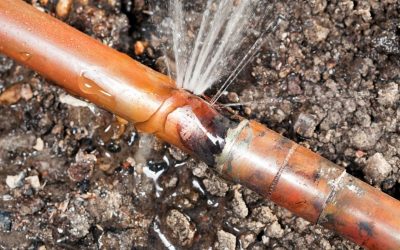
When temperatures drop below freezing, water inside pipes can become a serious concern. As water freezes, it expands and creates pressure inside the plumbing system. That pressure can eventually cause pipes to split or even burst.
Some areas of your home face a higher risk during extreme cold, including:
- Basements with exposed plumbing
- Garages without consistent heating
- Crawl spaces
- Pipes along exterior walls
- Unheated storage areas
Even homes with strong heating systems can experience problems if certain pipes lack proper insulation or protection.
Common Winter Water Damage Causes
Frozen pipes are one of the most common winter concerns, but they aren’t the only source of trouble. Winter conditions can create several situations where water enters your home.
Common causes include:
| Winter Problem | What Happens | Potential Damage |
| Frozen pipes | Water expands and creates pressure inside pipes | Burst pipes, flooding, and soaked materials |
| Ice dams | Ice blocks normal roof drainage | Water leaks into attics and ceilings |
| Snow buildup | Heavy snow adds stress to roofing systems | Roof damage and possible leaks |
| Plumbing leaks | Cold temperatures affect vulnerable connections | Moisture damage around walls and floors |
| Appliance issues | Water lines freeze or fail | Damage near refrigerators, washers, or heaters |
Understanding these risks is an important part of preventing winter water damage in Framingham, MA before it starts.
Signs Your Home May Have Winter Water Damage
Warning Signs You Should Not Ignore
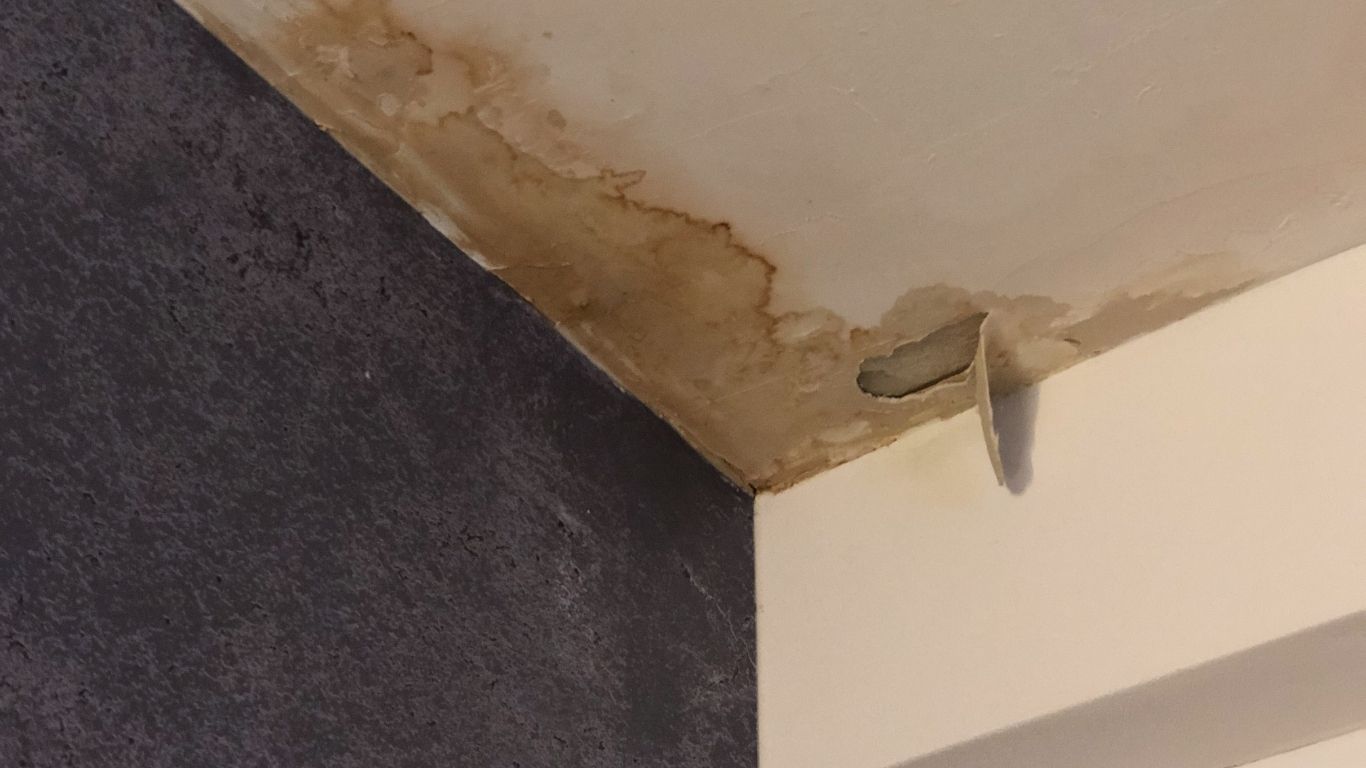
Water damage does not always start with a big leak. Sometimes the earliest signs are small changes that are easy to overlook.
Keep an eye out for:
- Water stains on ceilings or walls
- Damp spots near pipes
- Peeling or bubbling paint
- Warped flooring
- Musty odors
- Unexplained puddles
- Changes in water pressure
A small stain or unusual smell may point to moisture hiding somewhere behind the surface. Finding the source early can help prevent the problem from spreading.
Why Small Issues Can Become Bigger Problems
Water can travel through a home. A leak in one area may affect nearby drywall, insulation, flooring, or other materials.
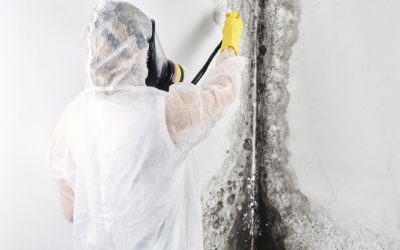
If moisture stays trapped, it can create additional concerns, including mold growth and damage to building materials. That is why quick attention matters after a winter leak.
How to Prevent Winter Water Damage Before It Starts
Protect Your Pipes From Freezing
One of the best ways to prevent winter plumbing problems is to prepare your pipes before temperatures drop.
Homeowners can:
- Insulate exposed pipes in colder areas
- Keep indoor temperatures consistent
- Open cabinet doors beneath sinks during extreme cold
- Let faucets drip slightly when appropriate during freezing conditions
- Disconnect outdoor hoses before winter
- Drain exterior water lines
These simple steps can reduce the chance of frozen pipes and help protect your home during severe weather.
Prepare Your Roof and Gutters
Your roof plays an important role in keeping winter moisture outside. Snow, ice, and clogged gutters can create opportunities for water to enter areas where it doesn’t belong.
Before winter storms arrive:
- Remove leaves and debris from gutters
- Check that downspouts direct water away from the home
- Look for visible roof damage
- Inspect areas around flashing and roof openings
- Watch for signs of ice buildup
Ice dams can become especially troublesome because they prevent melting snow from draining properly. Water may eventually move beneath roofing materials and into the attic.
Maintain Your Heating and Plumbing Systems
Regular maintenance can help you catch problems before cold weather worsens them.
Consider:
- Checking your water heater for signs of leaks
- Inspecting older plumbing connections
- Knowing where your main water shutoff valve is located
- Scheduling routine inspections when needed
Knowing how your home’s systems work makes it easier to respond if something goes wrong.
What to Do If Winter Water Damage Happens
Act Quickly After a Pipe Burst or Leak
If a pipe bursts or a leak develops, quick action can help minimize the damage.
Start by:
- Turning off the water supply if it is safe to do so
- Moving furniture and valuables away from affected areas
- Avoiding standing water near electrical sources
- Contacting professionals for water removal and drying
The longer water remains inside your home, the more materials it can affect.
Why Fast Drying Matters
A home may look dry on the surface while moisture remains hidden underneath. Water can soak into drywall, flooring, insulation, and other materials.
Professional drying helps address moisture that isn’t always visible. It can also reduce the chance of secondary problems caused by lingering damp conditions.
The Water Damage Restoration Process
Inspection and Moisture Assessment
The first step after water damage is understanding what happened. Professionals inspect affected areas, identify moisture sources, and determine how far water has traveled.
This helps create a restoration plan based on the specific situation, rather than using a one-size-fits-all approach.
Water Removal and Drying
Water extraction removes standing water, while drying equipment helps remove moisture from affected materials.
The process may include:
- Removing excess water
- Using air movers and dehumidifiers
- Checking moisture levels
- Monitoring drying progress
Proper drying helps protect your home and belongings.
Cleaning and Restoring the Home
Once it is dry, affected areas may need cleaning, deodorizing, or repairs. The goal is to return the space to a safe and comfortable condition.
At All Dry Services of Central Mass, we help homeowners understand the restoration process and what comes next.
How All Dry Services of Central Mass Helps With Winter Water Damage
Winter water problems can feel overwhelming, especially when they happen unexpectedly. At All Dry Services of Central Mass, we help homeowners address water-related issues through inspection, water removal, drying, cleanup, and restoration services.
We know that every situation is different. Whether a frozen pipe causes flooding or a winter storm leads to water intrusion, our team identifies affected areas and helps restore your property.
When dealing with winter water damage in Framingham, MA, addressing both visible water and hidden moisture can make a major difference in protecting your home.
Keep Your Framingham Home Safe This Winter
Cold weather is part of life in Massachusetts, but winter water problems don’t have to catch you off guard. Preparing your pipes, roof, gutters, and plumbing systems before freezing temperatures arrive can help reduce the chance of damage.
Keep an eye out for warning signs like stains, odors, and unusual moisture. If a winter leak does happen, acting quickly can help limit repairs and get your home back to normal sooner.
At All Dry Services of Central Mass, we’re here to help homeowners navigate water damage challenges and take practical steps toward a cleaner, drier home.
To stay current with us, please follow our Facebook and Instagram pages.